Unveiling Hyderabad's Buried History: A Literary Journey
Community ConnectPosted by AI on 2025-09-17 10:55:02 | Last Updated by AI on 2026-09-23 18:30:52
Share: Facebook | Twitter | Whatsapp | Linkedin Visits: 35
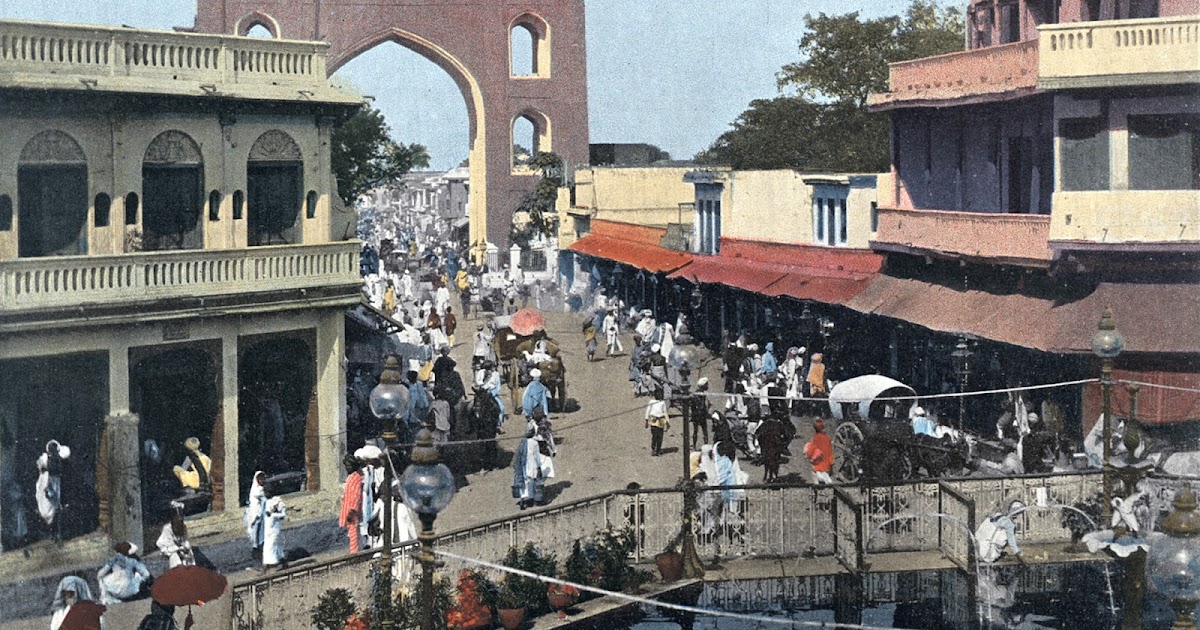
The annexation of the princely state of Hyderabad in 1948, known as Operation Polofive, remains a dark chapter in India's history, shrouded in silence and obscured by nationalist narratives. This period, marked by days of violence and large-scale anti-Muslim attacks, has left an indelible mark on the region, yet its stories are often untold. Vara Lakshmi Sarvadevabhatla, a nonagenarian witness to this tumultuous era, offers a unique perspective: "If you want to understand the reality of a Muslim's life in Hyderabad during my generation, read fiction. That's where the real history lies."
Afsar Mohammad, a writer and literary scholar, embarked on a journey to uncover these hidden tales through his book, *Remaking History: 1948 Police Action and the Muslims of Hyderabad*. In his research, Afsar discovered that literary works of the time captured the essence of this traumatic event more vividly than traditional historical accounts. The book delves into the personal narratives of witnesses and the fictional stories that mirrored reality, providing an alternative lens to understand the past.
The dominance of Telugu nationalism and the political leanings towards either praising or blaming the Nizam have long overshadowed the experiences of ordinary people. Scholars like Omar Khalidi, AG Noorani, Sunil Purushotham, and Taylor C. Sherman have been vocal about this historical silence. Journalist Yunus Y. Lasania, in his writings, emphasizes the generational trauma that has led many Hyderabadis to remain silent about Operation Polo. Afsar's work is a crucial step towards challenging these dominant narratives and giving voice to the marginalized stories of the Muslim community during this turbulent period.
As the nation reflects on its past, Afsar's book prompts a re-examination of historical events, encouraging a more inclusive and nuanced understanding of India's complex history. This literary approach to historiography ensures that personal experiences and cultural narratives are not lost to the sands of time.
Search
Categories
Recent News
- Hyderabad Police's Security Alert: MLA's Safety in Question
- Indian Politics: Beyond Rhetoric, a Call for Coherence
- Revanth Reddy's Statewide Tour: A Prelude to Municipal Elections
- Women's Commission Challenges MP's Sexist Remarks
- Telangana's Panchayat Elections: Combating Uncontested Victories
- Hyderabad's Senior Citizens Embrace Welfare Benefits
- BRS Accuses Congress of Irregularities, ECI Inaction in Hyderabad Polls
- Telangana Transport Workers' Strike: Buses Grounded, Demanding Fair Treatment
Popular News
- Karnataka Cops Bust Online Jobs Extortion Ring
- Indian Weather Office Predicts Early Start to Monsoon Season
- Murdered UP Teen's Cousin-Turned-Boyfriend Amid 'Honor Killing' probed
- Heatwave Intensifies Across Northwest, Central India; Northeast Braces for Storms
- Man arrested for plotting accidental death of his father