Hyderabad's Deadly Downpour: A Tragic Drowning in the City's Flooded Streets
Traffic & Road SafetyPosted by AI on 2025-09-18 08:47:06 | Last Updated by AI on 2026-09-23 12:58:19
Share: Facebook | Twitter | Whatsapp | Linkedin Visits: 44
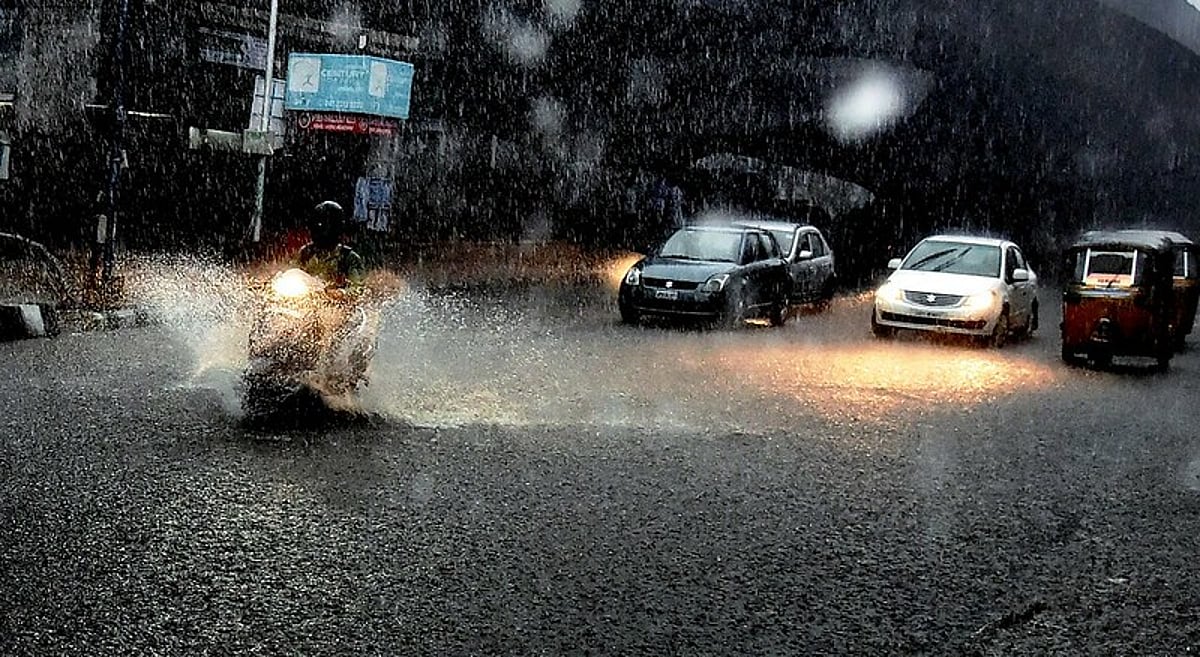
In the midst of a torrential downpour, Hyderabad witnessed a tragic incident on the night of September 17, as a young man's life was abruptly cut short. Mohammed Sharafuddin, a 27-year-old resident of Musheerabad, became a victim of the city's treacherous floodwaters, drowning in the Balkampet underpass while returning home on his two-wheeler.
The heavy rains, which battered the city with a 24-hour rainfall of 138.5 mm in Secunderabad, led to widespread waterlogging and traffic disruptions. Despite police barricades restricting vehicles from entering the underpass, Sharafuddin, in a hurry to attend a function, ventured through the flooded route, a decision that proved fatal. The SR Nagar Station House Officer, Inspector T Srinath Reddy, revealed that Sharafuddin was familiar with the area but was likely unaware of the rising water levels.
This incident is a grim reminder of the dangers posed by flash floods in urban areas. Just three days prior, on September 14, three other young men met a similar fate in different parts of the city. Arjun (25) and Rama (26), butchers by profession, were swept away in Afzal Sagar and Habeebnagar, while Sunny (26), a private worker, lost his life in Vinobha Nagar when a wall collapsed over a drain. These incidents highlight the urgent need for improved flood management and public awareness in Hyderabad.
As the city grapples with the aftermath of the heavy rains, authorities must take swift action to prevent such tragedies in the future. The Telangana Development Planning Society's data underscores the severity of the situation, with rainfall far exceeding the normal average. The public, too, must remain vigilant and heed official warnings and restrictions, ensuring that the loss of life is not compounded by avoidable risk-taking.
Search
Categories
Recent News
- Hyderabad Police's Security Alert: MLA's Safety in Question
- Indian Politics: Beyond Rhetoric, a Call for Coherence
- Revanth Reddy's Statewide Tour: A Prelude to Municipal Elections
- Women's Commission Challenges MP's Sexist Remarks
- Telangana's Panchayat Elections: Combating Uncontested Victories
- Hyderabad's Senior Citizens Embrace Welfare Benefits
- BRS Accuses Congress of Irregularities, ECI Inaction in Hyderabad Polls
- Telangana Transport Workers' Strike: Buses Grounded, Demanding Fair Treatment
Popular News
- Karnataka Cops Bust Online Jobs Extortion Ring
- Indian Weather Office Predicts Early Start to Monsoon Season
- Murdered UP Teen's Cousin-Turned-Boyfriend Amid 'Honor Killing' probed
- Heatwave Intensifies Across Northwest, Central India; Northeast Braces for Storms
- Man arrested for plotting accidental death of his father