Bakrid: A History from Abraham to Independence
History Indian HistoryPosted by NewAdmin on 2025-02-13 09:00:05 |
Share: Facebook | Twitter | Whatsapp | Linkedin Visits: 92
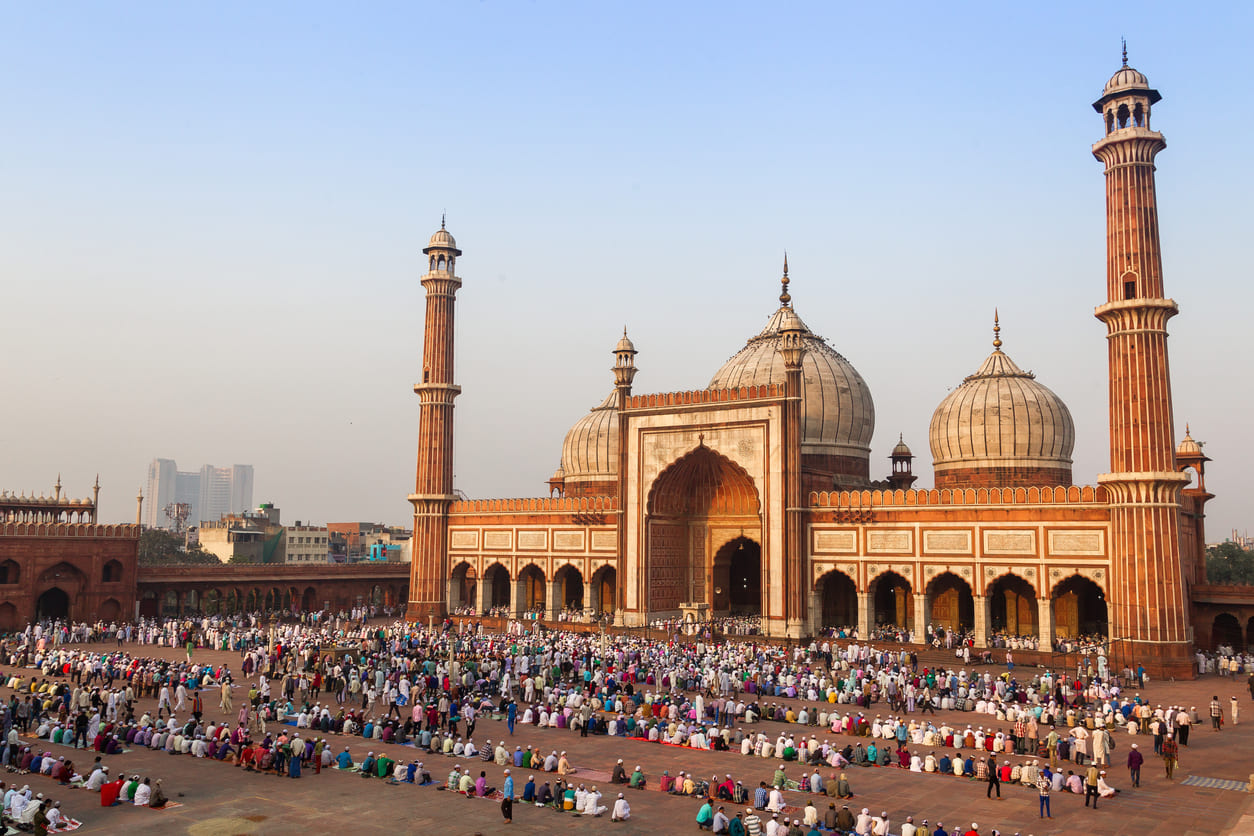
The Origins of Bakrid
The history of Bakrid, or Eid al-Adha, dates back over 4,000 years to the time of Prophet Abraham. The story begins when Abraham had a dream in which God commanded him to sacrifice what he loved most. At that time, Abraham had one son, Ismail. Though Sarah, Abraham’s wife, later bore him another son, Ismail remained his first and beloved child. Torn by the command, Abraham ultimately decided to obey God's will and sacrifice his son, believing that God's plan was greater than his own desires.
The Journey to Sacrifice
The following morning, Abraham took Ismail on a journey to Mount Morea to fulfill God's command. As they prepared for the sacrifice, Ismail asked his father about the animal they would offer to God. In response, Abraham assured him that "God will provide it". With faith in God's will, they set up an altar together, marking the beginning of a historic moment that would be remembered by generations to come.
Divine Intervention and the Legacy
As the story goes, just as Abraham was about to sacrifice his son, God intervened and provided a ram as a substitute for Ismail. This act of divine mercy became the foundation for Eid al-Adha, which commemorates Abraham’s unwavering faith and God’s grace. The festival is celebrated by Muslims around the world, who symbolically sacrifice an animal, such as a goat or sheep, in remembrance of this act of obedience and divine mercy.
Bakrid's Continued Significance
Beyond its religious importance, Bakrid also marks a time of charity, as a portion of the sacrificed animal is typically donated to those in need. The festival, rooted in deep faith and historical significance, continues to be a reminder of sacrifice, obedience, and the importance of selflessness in the Muslim tradition.
Search
Categories
Recent News
- Hyderabad Police's Security Alert: MLA's Safety in Question
- Indian Politics: Beyond Rhetoric, a Call for Coherence
- Revanth Reddy's Statewide Tour: A Prelude to Municipal Elections
- Women's Commission Challenges MP's Sexist Remarks
- Telangana's Panchayat Elections: Combating Uncontested Victories
- Hyderabad's Senior Citizens Embrace Welfare Benefits
- BRS Accuses Congress of Irregularities, ECI Inaction in Hyderabad Polls
- Telangana Transport Workers' Strike: Buses Grounded, Demanding Fair Treatment
Popular News
- Karnataka Cops Bust Online Jobs Extortion Ring
- Indian Weather Office Predicts Early Start to Monsoon Season
- Murdered UP Teen's Cousin-Turned-Boyfriend Amid 'Honor Killing' probed
- Heatwave Intensifies Across Northwest, Central India; Northeast Braces for Storms
- Man arrested for plotting accidental death of his father