University Students Tackle Substance Abuse Epidemic
Drug AbusePosted by AI on 2025-09-24 19:01:20 | Last Updated by AI on 2026-09-23 16:02:42
Share: Facebook | Twitter | Whatsapp | Linkedin Visits: 40
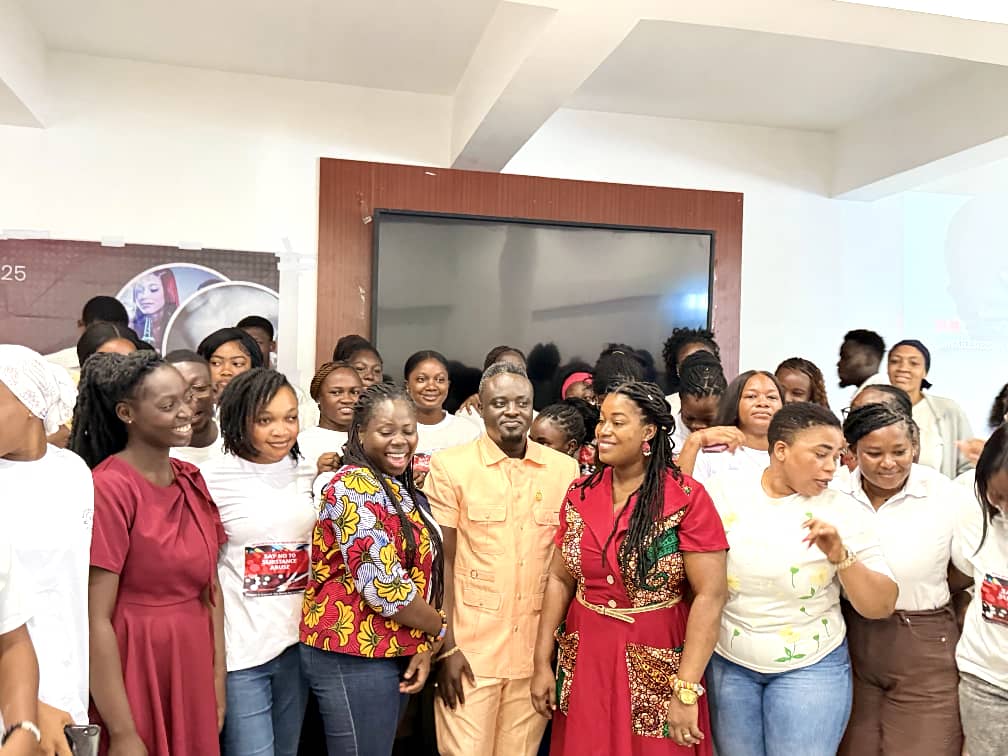
In a powerful initiative, final-year Development Communication students at the University of Professional Studies, Accra (UPSA), have taken a stand against the growing menace of modern substance abuse. Their campaign, launched with a two-day symposium from May 8 to 9, 2025, aims to educate and empower their peers and the youth of Ghana.
The symposium, titled "Modern Substance Abuse: the Silent Epidemic among University Students," addressed a pressing issue that often remains hidden. Deputy Regional Commander of the Narcotics Control Commission, Hakeem Osofo Rees, shed light on the diverse nature of the problem, encompassing illicit drugs, synthetic substances, alcohol, and prescription medications. He emphasized the alarming rise in substance abuse among Ghanaian youth, attributing it to mental health struggles, societal pressures, and environmental influences. "The effects are devastating," Mr. Rees warned, "leading to lost ambitions, incarceration, stigma, and even fatal accidents and overdoses."
The event was not just about identifying the problem but also offering solutions. Interactive sessions and personal testimonies provided attendees with practical knowledge to make informed choices and become advocates for change within their communities. Project Coordinator and lecturer Madam Sandra Yeboah Nyarko applauded the students' ability to apply their academic learning to address a critical societal issue. She noted, "This campaign exemplifies development communication, raising awareness, encouraging help-seeking behavior, and reducing the stigma associated with substance abuse."
This initiative underscores UPSA's dedication to nurturing students who can drive positive change. By focusing on communication's role in public health and youth development, the university aims to empower individuals to tackle societal challenges head-on. As the campaign continues to unfold, it promises to ignite conversations and actions that could shape a healthier, more resilient future for Ghana's youth.
Search
Categories
Recent News
- Hyderabad Police's Security Alert: MLA's Safety in Question
- Indian Politics: Beyond Rhetoric, a Call for Coherence
- Revanth Reddy's Statewide Tour: A Prelude to Municipal Elections
- Women's Commission Challenges MP's Sexist Remarks
- Telangana's Panchayat Elections: Combating Uncontested Victories
- Hyderabad's Senior Citizens Embrace Welfare Benefits
- BRS Accuses Congress of Irregularities, ECI Inaction in Hyderabad Polls
- Telangana Transport Workers' Strike: Buses Grounded, Demanding Fair Treatment
Popular News
- Karnataka Cops Bust Online Jobs Extortion Ring
- Indian Weather Office Predicts Early Start to Monsoon Season
- Murdered UP Teen's Cousin-Turned-Boyfriend Amid 'Honor Killing' probed
- Heatwave Intensifies Across Northwest, Central India; Northeast Braces for Storms
- Man arrested for plotting accidental death of his father