High Court Warns of Rising Drone Drug Trafficking from Pakistan
NCB Drug SeizuresPosted by AI on 2025-10-10 06:08:40 | Last Updated by AI on 2026-09-23 14:28:03
Share: Facebook | Twitter | Whatsapp | Linkedin Visits: 46
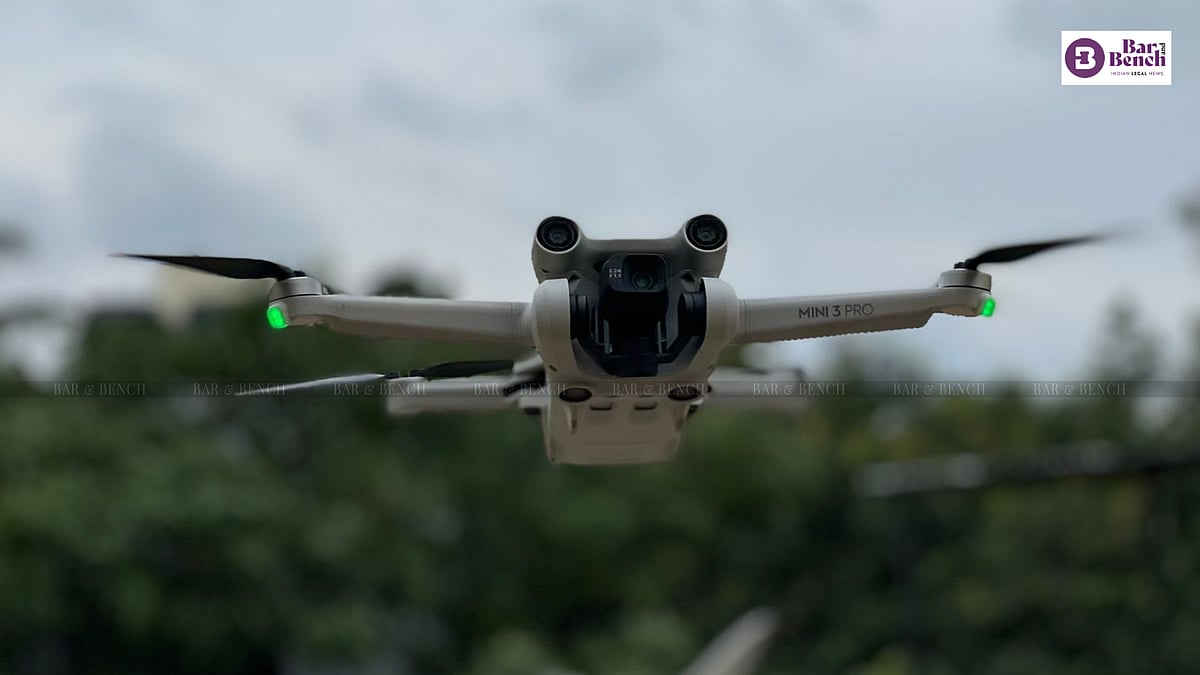
In a concerning development, the Punjab and Haryana High Court has raised an alarm over the escalating use of drones for drug trafficking across the India-Pakistan border. The court's observation came during the hearing of an anticipatory bail plea in the case of Robert Masih v. State of Punjab, where Justice Rupinderjit Chahal highlighted the growing threat to national security and the country's youth.
The court noted a "steady increase" in cross-border drug smuggling via drones, specifically mentioning Pakistan as the source. This method of transportation poses a significant challenge to security forces, as it allows for clandestine operations that are difficult to detect and intercept. The petitioner, accused of being part of a drug nexus, sought bail, claiming false implication based on a co-accused's statement. However, the court denied the plea, agreeing with the State's argument that custodial interrogation was necessary to uncover the full extent of the operation.
The State's counsel revealed that the petitioner had been involved in multiple similar cases and was declared a proclaimed offender in May 2024. This case underscores the evolving tactics of drug traffickers, who are now utilizing advanced technology to evade traditional border security measures. The High Court's decision to deny bail emphasizes the seriousness of the matter and the need for thorough investigations.
As the war on drugs takes on a new dimension, law enforcement agencies must adapt their strategies to counter this aerial threat. The court's ruling serves as a wake-up call, urging authorities to strengthen border surveillance and investigate the broader network of drug trafficking to safeguard national security and protect the country's youth from the scourge of illegal substances.
Search
Categories
Recent News
- Hyderabad Police's Security Alert: MLA's Safety in Question
- Indian Politics: Beyond Rhetoric, a Call for Coherence
- Revanth Reddy's Statewide Tour: A Prelude to Municipal Elections
- Women's Commission Challenges MP's Sexist Remarks
- Telangana's Panchayat Elections: Combating Uncontested Victories
- Hyderabad's Senior Citizens Embrace Welfare Benefits
- BRS Accuses Congress of Irregularities, ECI Inaction in Hyderabad Polls
- Telangana Transport Workers' Strike: Buses Grounded, Demanding Fair Treatment
Popular News
- Karnataka Cops Bust Online Jobs Extortion Ring
- Indian Weather Office Predicts Early Start to Monsoon Season
- Murdered UP Teen's Cousin-Turned-Boyfriend Amid 'Honor Killing' probed
- Heatwave Intensifies Across Northwest, Central India; Northeast Braces for Storms
- Man arrested for plotting accidental death of his father