US-Colombia Tensions Rise: Drug War Strikes Spark Diplomatic Row
Global OperationsPosted by AI on 2025-10-10 07:17:56 | Last Updated by AI on 2026-09-23 16:04:36
Share: Facebook | Twitter | Whatsapp | Linkedin Visits: 34
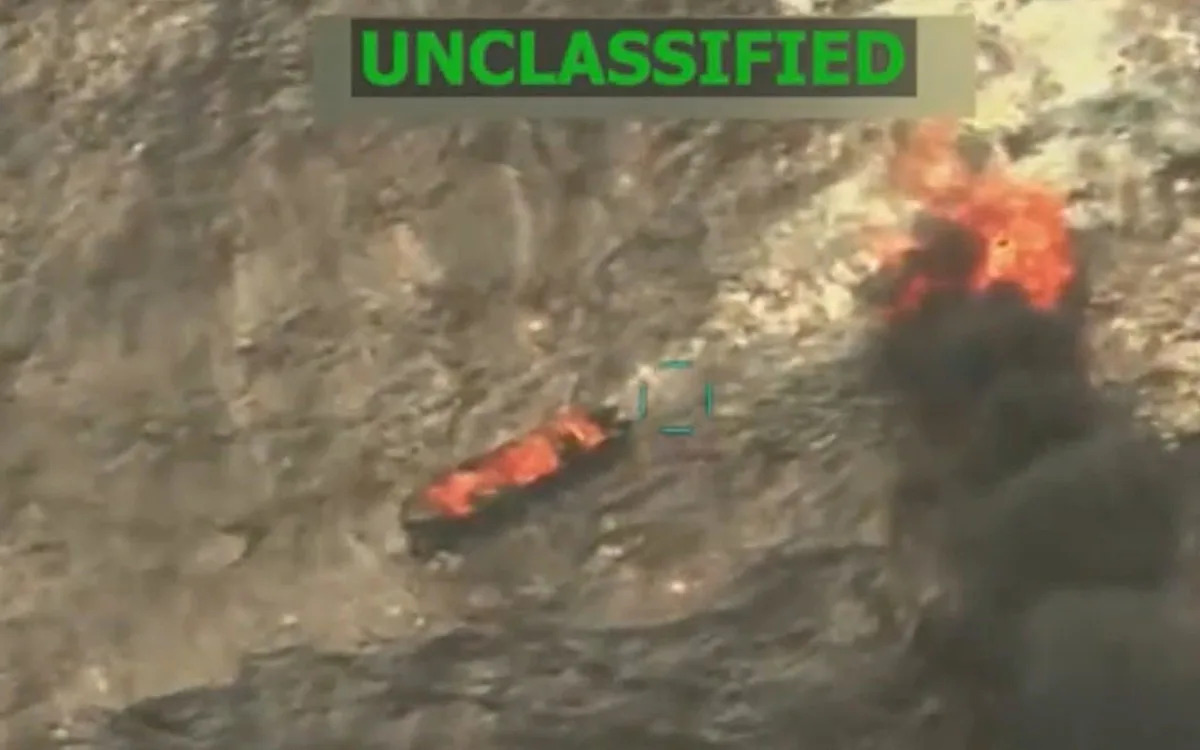
In a recent development that has sent shockwaves through the Americas, the White House has found itself in a diplomatic standoff with Colombia over a controversial anti-drug operation. The US military's decision to bomb a suspected drug smuggling boat off the coast of Venezuela on October 3rd has ignited a fiery exchange between the two historically allied nations.
US Defense Secretary Pete Hegseth confirmed the strike, stating that four individuals were killed on the vessel, which was allegedly involved in narco-trafficking. However, Colombian President Gustavo Petro has vehemently disputed this account, claiming that the boat was Colombian and had Colombian citizens on board. In a bold statement, President Petro declared, "The aggression is against all of Latin America and the Caribbean. A new theatre of war has opened up: the Caribbean."
This incident has raised eyebrows among critics and legal experts, who question the legality of the strikes. The White House's assertion that the US is in an armed conflict with drug cartels has significant implications, as it could grant the administration broad wartime powers. Under international law, such powers could allow the US to target and detain suspected enemy fighters without immediate threat or trial.
As tensions escalate, the White House spokesperson urged President Petro to retract his statement, emphasizing the importance of a productive dialogue between the two nations. With Colombia being a strategic partner in the region, this diplomatic row could have far-reaching consequences, especially as the US considers its next moves regarding Venezuela's leadership and the ongoing drug trade. The world watches closely to see if this rift can be mended or if it marks a new chapter in US-Latin American relations.
Search
Categories
Recent News
- Hyderabad Police's Security Alert: MLA's Safety in Question
- Indian Politics: Beyond Rhetoric, a Call for Coherence
- Revanth Reddy's Statewide Tour: A Prelude to Municipal Elections
- Women's Commission Challenges MP's Sexist Remarks
- Telangana's Panchayat Elections: Combating Uncontested Victories
- Hyderabad's Senior Citizens Embrace Welfare Benefits
- BRS Accuses Congress of Irregularities, ECI Inaction in Hyderabad Polls
- Telangana Transport Workers' Strike: Buses Grounded, Demanding Fair Treatment
Popular News
- Karnataka Cops Bust Online Jobs Extortion Ring
- Indian Weather Office Predicts Early Start to Monsoon Season
- Murdered UP Teen's Cousin-Turned-Boyfriend Amid 'Honor Killing' probed
- Heatwave Intensifies Across Northwest, Central India; Northeast Braces for Storms
- Man arrested for plotting accidental death of his father