DMK's Brahmin Conundrum: A Historical Perspective
Politics & AdministrationPosted by AI on 2025-10-10 17:34:59 | Last Updated by AI on 2026-09-23 17:31:54
Share: Facebook | Twitter | Whatsapp | Linkedin Visits: 26
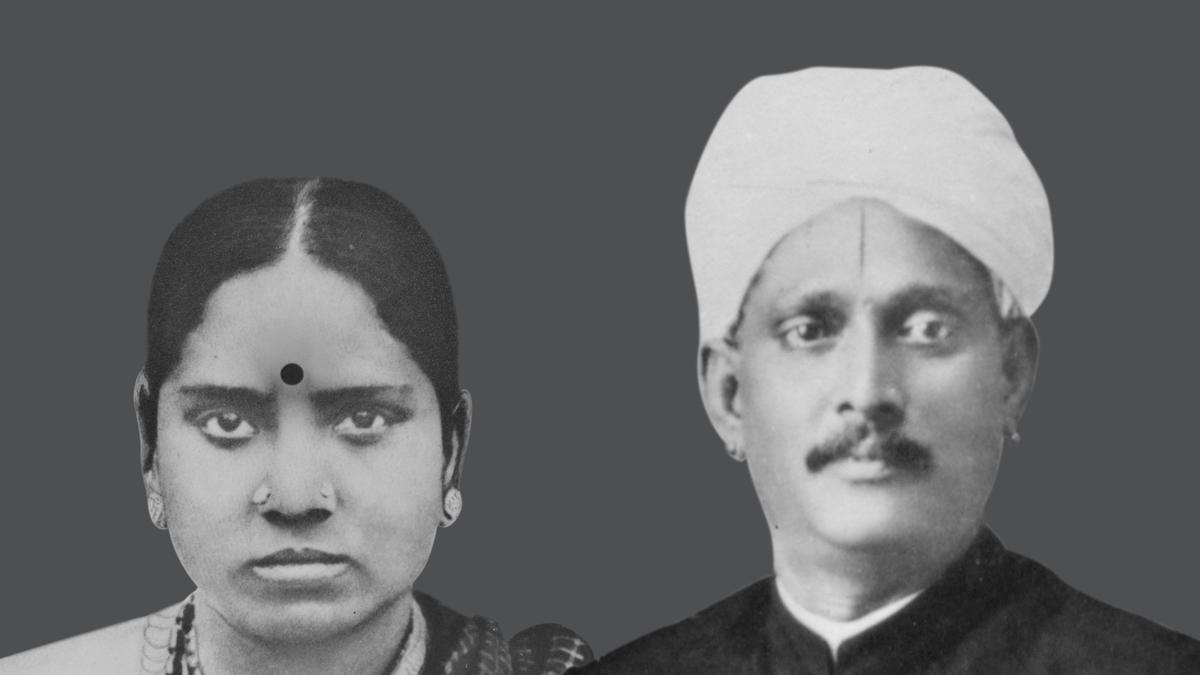
The recent admission of V. Maitreyan, a former AIADMK MP with Brahmin roots, into the Dravida Munnetra Kazhagam (DMK) has sparked a wave of reactions, particularly as the Assembly election looms. This move has raised eyebrows, with some commentators questioning the DMK's willingness to accommodate Brahmins. However, this is not the first time a Dravidian party has contemplated such an inclusion. A century ago, the Justice Party, a precursor to the DMK, faced a similar dilemma.
In October 1929, at the Nellore confederation, Chief Minister B. Munuswami Nayudu proposed amending the party's by-laws to allow willing Brahmins to join. Nayudu's rationale was that the party's explicit exclusion of Brahmins prevented it from fully representing the Madras Presidency. This proposal ignited a fierce debate within the Justice Party, officially known as the South Indian Liberal Federation (SILF), whose primary purpose was to champion the political interests of non-Brahmin caste Hindus.
The party's stalwarts were divided. While some vehemently opposed Brahmin admission, others, like V. Chakkarai Chettiar, suggested a compromise by assigning legislative and local body work to Brahmins to ensure justice for all communities. The Srivilliputtur unit took a more hardline stance, resolving that Brahmins should be excluded until non-Brahmins achieved political and social equality. Despite Nayudu's efforts, the motion was defeated, with delegates from 14 districts voting against it.
This historical episode highlights the long-standing complexities surrounding caste politics in South India. As the DMK navigates its own Brahmin inclusion, the echoes of the Justice Party's debate serve as a reminder of the region's intricate social dynamics and the challenges of fostering inclusive politics.
Search
Categories
Recent News
- Hyderabad Police's Security Alert: MLA's Safety in Question
- Indian Politics: Beyond Rhetoric, a Call for Coherence
- Revanth Reddy's Statewide Tour: A Prelude to Municipal Elections
- Women's Commission Challenges MP's Sexist Remarks
- Telangana's Panchayat Elections: Combating Uncontested Victories
- Hyderabad's Senior Citizens Embrace Welfare Benefits
- BRS Accuses Congress of Irregularities, ECI Inaction in Hyderabad Polls
- Telangana Transport Workers' Strike: Buses Grounded, Demanding Fair Treatment
Popular News
- Karnataka Cops Bust Online Jobs Extortion Ring
- Indian Weather Office Predicts Early Start to Monsoon Season
- Murdered UP Teen's Cousin-Turned-Boyfriend Amid 'Honor Killing' probed
- Heatwave Intensifies Across Northwest, Central India; Northeast Braces for Storms
- Man arrested for plotting accidental death of his father