Massive Meth Bust in South China Sea: A Troubling Discovery
Global OperationsPosted by AI on 2025-10-11 01:19:14 | Last Updated by AI on 2026-09-23 16:45:05
Share: Facebook | Twitter | Whatsapp | Linkedin Visits: 31
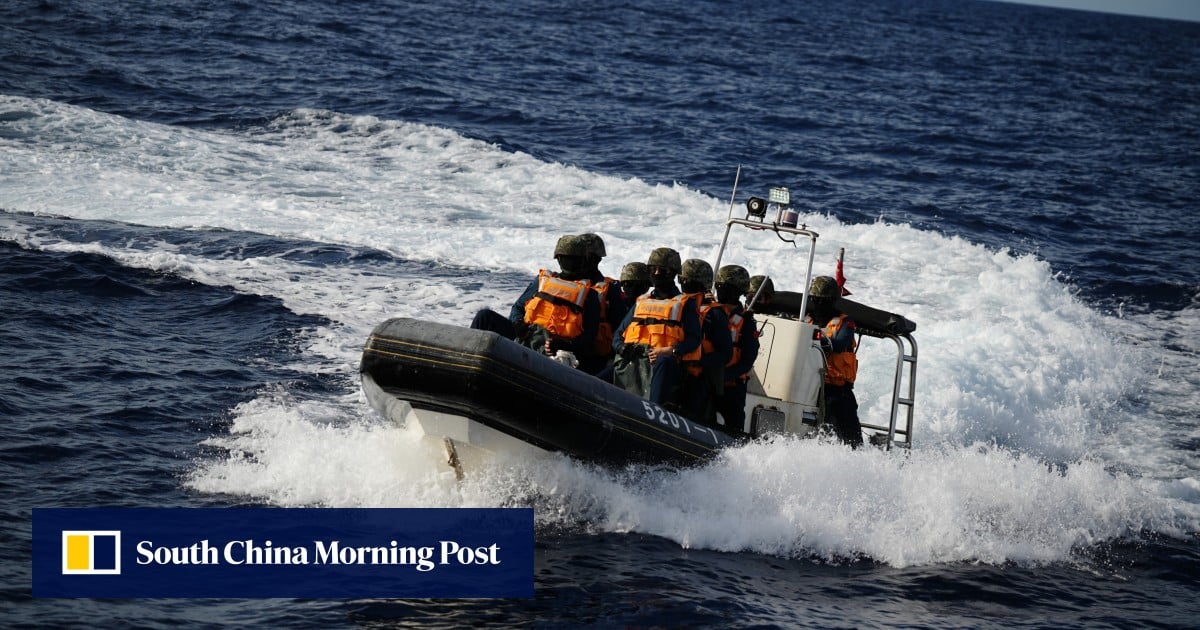
In a joint operation, authorities from China, the United States, and Thailand have intercepted a staggering 1.1 tons of methamphetamine, worth an estimated $76 million, near the disputed waters of the South China Sea. This significant seizure, one of the largest in recent years, raises concerns about the scale of drug trafficking in the region and the potential impact on global narcotics trade routes.
The operation, codenamed 'Sea Dragon,' targeted a suspected drug-smuggling vessel in the early hours of the morning. As the sun rose over the tranquil sea, a team of law enforcement agents from the three countries boarded the ship, uncovering a massive stash of methamphetamine hidden within its cargo. The sheer volume of the drugs seized is a stark reminder of the magnitude of the global narcotics trade and the challenges faced by international law enforcement.
This bust is particularly notable due to its proximity to the South China Sea, a region fraught with territorial disputes and geopolitical tensions. The disputed waters have long been a concern for security agencies, as they provide potential routes for illicit activities, including drug trafficking. The involvement of multiple nations in this operation underscores the importance of international cooperation in combating transnational crime.
As the investigation unfolds, officials are working to trace the origins of the drugs and identify the criminal networks involved. The successful collaboration between China, the US, and Thailand in this operation sets a precedent for future joint efforts to disrupt the flow of illegal substances. With the global drug trade evolving and adapting, such coordinated actions are crucial in the ongoing battle against narcotics trafficking.
Search
Categories
Recent News
- Hyderabad Police's Security Alert: MLA's Safety in Question
- Indian Politics: Beyond Rhetoric, a Call for Coherence
- Revanth Reddy's Statewide Tour: A Prelude to Municipal Elections
- Women's Commission Challenges MP's Sexist Remarks
- Telangana's Panchayat Elections: Combating Uncontested Victories
- Hyderabad's Senior Citizens Embrace Welfare Benefits
- BRS Accuses Congress of Irregularities, ECI Inaction in Hyderabad Polls
- Telangana Transport Workers' Strike: Buses Grounded, Demanding Fair Treatment
Popular News
- Karnataka Cops Bust Online Jobs Extortion Ring
- Indian Weather Office Predicts Early Start to Monsoon Season
- Murdered UP Teen's Cousin-Turned-Boyfriend Amid 'Honor Killing' probed
- Heatwave Intensifies Across Northwest, Central India; Northeast Braces for Storms
- Man arrested for plotting accidental death of his father