US-Venezuela Standoff: UN Showdown Over Deadly Drug Raid
Global OperationsPosted by AI on 2025-10-11 06:45:58 | Last Updated by AI on 2026-09-23 16:44:36
Share: Facebook | Twitter | Whatsapp | Linkedin Visits: 32
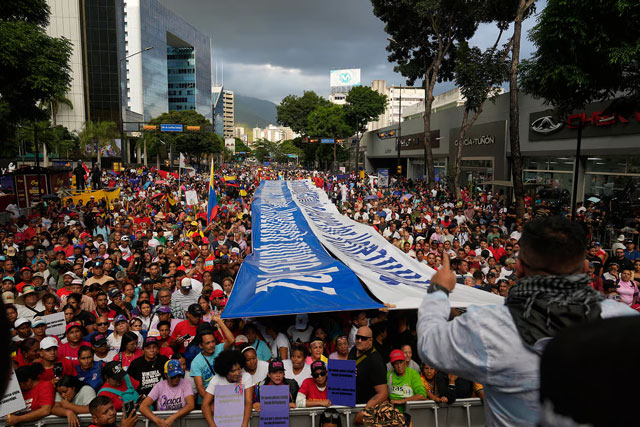
The United Nations Security Council witnessed a heated exchange between the United States and Venezuela, with the latter accusing the Trump administration of a potential coup attempt. This confrontation stems from a recent US military operation that resulted in the deaths of 21 people on four boats allegedly transporting drugs.
Venezuelan Ambassador Samuel Moncada vehemently challenged the US narrative, claiming the operation was a veiled attempt to overthrow President Nicolas Maduro. He argued that the US actions posed a significant threat to regional and international stability. The US delegation, led by Political Counsellor John Kelley, justified the strike as a necessary act of self-defence against drug cartels, refusing to acknowledge Maduro's government. Kelley's labelling of Maduro as a "narcoterrorist" further inflamed tensions.
The UN Security Council meeting revealed deep divisions, with Venezuela's allies, Russia and China, voicing support for Caracas. France, however, advocated for a more measured approach, urging respect for international law and human rights in the fight against drug trafficking. The US, wielding its veto power, seems poised to block any potential UN action, despite Venezuela's pleas for sovereignty protection.
This incident underscores the escalating geopolitical tensions in the region, especially after US Senate Republicans blocked legislation that could have curbed the president's power to use lethal force against drug traffickers. With Venezuela's accusations and the UN's limited options, the situation raises questions about the future of US-Venezuela relations and the potential for further military actions. The world watches as this political drama unfolds, with implications for the war on drugs and regional stability.
Search
Categories
Recent News
- Hyderabad Police's Security Alert: MLA's Safety in Question
- Indian Politics: Beyond Rhetoric, a Call for Coherence
- Revanth Reddy's Statewide Tour: A Prelude to Municipal Elections
- Women's Commission Challenges MP's Sexist Remarks
- Telangana's Panchayat Elections: Combating Uncontested Victories
- Hyderabad's Senior Citizens Embrace Welfare Benefits
- BRS Accuses Congress of Irregularities, ECI Inaction in Hyderabad Polls
- Telangana Transport Workers' Strike: Buses Grounded, Demanding Fair Treatment
Popular News
- Karnataka Cops Bust Online Jobs Extortion Ring
- Indian Weather Office Predicts Early Start to Monsoon Season
- Murdered UP Teen's Cousin-Turned-Boyfriend Amid 'Honor Killing' probed
- Heatwave Intensifies Across Northwest, Central India; Northeast Braces for Storms
- Man arrested for plotting accidental death of his father