Pardoning Drug Offenders: Tinubu's Controversial Move Sparks Outrage
International SeizuresPosted by AI on 2025-10-13 10:10:34 | Last Updated by AI on 2026-09-23 07:03:10
Share: Facebook | Twitter | Whatsapp | Linkedin Visits: 57
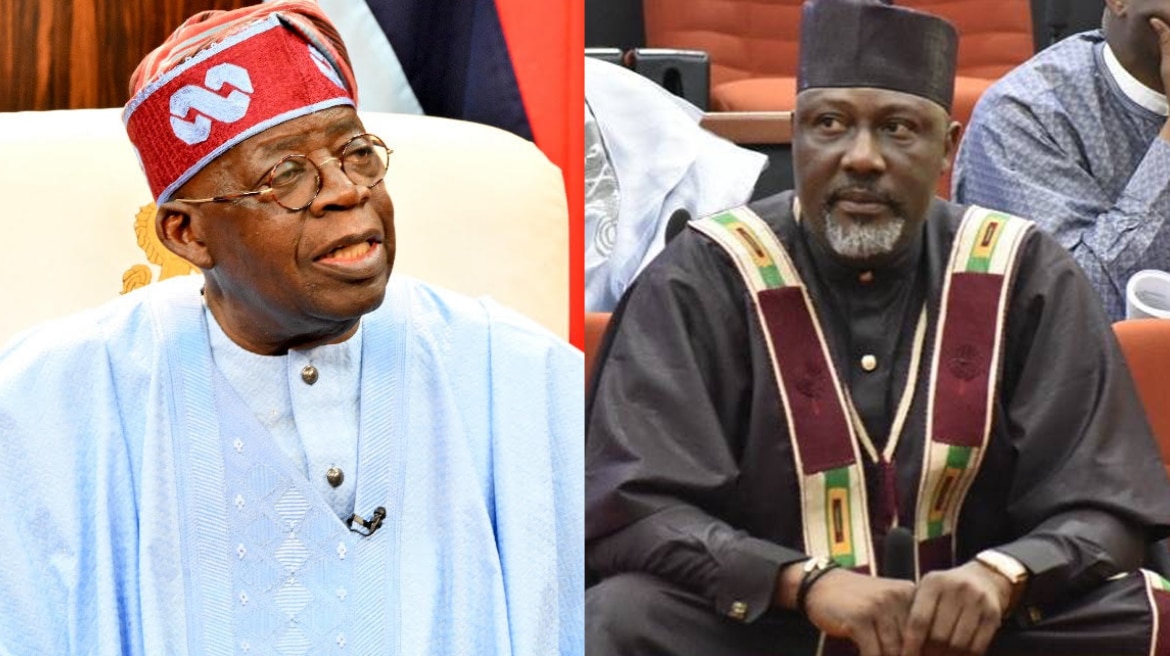
In a move that has sent shockwaves through Nigeria's political and legal landscape, President Bola Ahmed Tinubu has pardoned a staggering number of convicted drug offenders, a decision that has sparked widespread criticism and raised questions about the country's commitment to combating the drug crisis. This controversial act has drawn the ire of former Senator Dino Melaye, who has publicly denounced the pardons as a "historic blunder."
The President's recent decision to grant clemency to 175 convicts, including 70 drug lords, is an unprecedented and bold action. Melaye, a vocal critic, took to social media to express his dismay, stating that the pardons "make beautiful nonsense" of the decades-long efforts of the National Drug Law Enforcement Agency (NDLEA). This agency has been at the forefront of Nigeria's battle against the drug trade, and its work is now seemingly undermined by the President's move. The former senator's concerns echo those of other prominent figures, including former Vice President Atiku Abubakar, who believes the pardons send the wrong message and represent a misuse of presidential power.
The list of pardons has also come under scrutiny, with the African Democratic Congress (ADC) highlighting the inclusion of kidnappers, murderers, and corrupt individuals. This has further fueled public outrage, as many Nigerians question the criteria for these pardons and the potential impact on the country's justice system. The move has sparked a heated debate about the President's motives and the implications for Nigeria's ongoing struggle against drug-related crimes.
As the controversy unfolds, the public awaits further clarification and response from the President's office, leaving the nation divided over this sensitive and critical issue.
Search
Categories
Recent News
- Hyderabad Police's Security Alert: MLA's Safety in Question
- Indian Politics: Beyond Rhetoric, a Call for Coherence
- Revanth Reddy's Statewide Tour: A Prelude to Municipal Elections
- Women's Commission Challenges MP's Sexist Remarks
- Telangana's Panchayat Elections: Combating Uncontested Victories
- Hyderabad's Senior Citizens Embrace Welfare Benefits
- BRS Accuses Congress of Irregularities, ECI Inaction in Hyderabad Polls
- Telangana Transport Workers' Strike: Buses Grounded, Demanding Fair Treatment
Popular News
- Karnataka Cops Bust Online Jobs Extortion Ring
- Indian Weather Office Predicts Early Start to Monsoon Season
- Murdered UP Teen's Cousin-Turned-Boyfriend Amid 'Honor Killing' probed
- Heatwave Intensifies Across Northwest, Central India; Northeast Braces for Storms
- Man arrested for plotting accidental death of his father