Disinformation, Deepfakes, and Foreign Influence: The Growing Challenge for India’s Elections
Politics Politics of IndiaPosted by NewAdmin on 2025-03-27 08:52:38 |
Share: Facebook | Twitter | Whatsapp | Linkedin Visits: 55
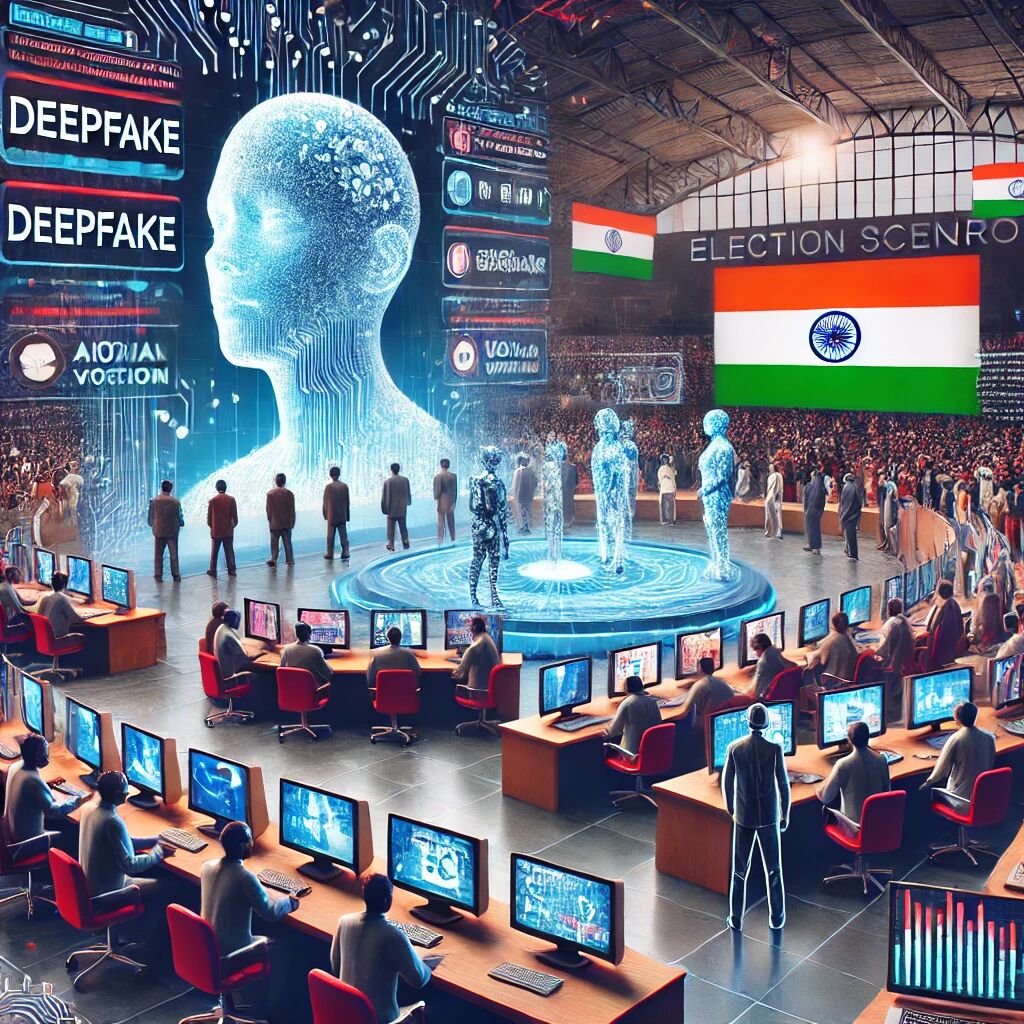
India has been grappling with significant challenges related to disinformation and foreign interference in its political landscape. The 2024 general elections were notably impacted by the proliferation of fake news, deepfakes, and AI-generated content, which posed threats to the integrity of the democratic process.
Domestic Disinformation and AI Challenges
During the 2024 elections, the use of deepfakes—AI-generated videos that convincingly mimic real individuals—became a prominent concern. These deepfakes were widely disseminated on social media platforms, often portraying political figures and celebrities making statements they never actually made. This trend marked a significant escalation from the fake news issues observed in previous elections, highlighting the evolving nature of digital misinformation in India.
AI-Driven Disinformation and Deepfakes
The rapid advancement of AI technologies has introduced new challenges in combating election interference. Generative AI enables the creation of deepfakes—highly realistic but fabricated images, videos, or audio recordings—that can mislead voters and undermine trust in democratic institutions. The Communications Security Establishment Canada (CSE) has released a report highlighting the growing use of AI by foreign adversaries to target elections worldwide, including in Canada.Government and Platform Responses
In response to these emerging threats, Canadian authorities are implementing measures to safeguard the electoral process. The CSE is working closely with federal partners to ensure the security of democratic processes and defend elections from cyber threats. Additionally, social media platforms are taking steps to address the misuse of AI in political advertising. For instance, Meta Platforms has announced that it will require advertisers to disclose the use of AI or digital techniques in political or social issue ads containing photorealistic images, videos, or realistic-sounding audio ahead of the Canadian federal elections. This move aims to reduce misinformation by identifying altered media that portrays real persons or events inaccurately.
International Relations and Diplomatic Stances
The allegations of potential interference have further strained Canada's diplomatic relations with the implicated countries. China's foreign ministry, for instance, has stated that it has no interest in interfering in Canada's internal affairs, following claims suggesting potential interference in the general election by China and India.
These diplomatic tensions underscore the complexity of addressing foreign interference while maintaining international relationships.
Political Leadership and Election Timing
The timing of the election and the readiness of the political landscape are also under scrutiny. Jagmeet Singh, leader of Canada's New Democratic Party (NDP), holds the potential to trigger an election by withdrawing support from the current minority government. However, Singh has expressed that Canada is not ready for an election due to ongoing concerns about election security and foreign interference. He emphasizes the need to address these serious issues before considering an election.
Recommendations and Future Outlook
To mitigate the risks associated with foreign interference, several recommendations have been proposed:
-
Enhancing Cybersecurity Measures: Strengthening the resilience of electoral systems against cyber threats is paramount. This includes regular security assessments and the implementation of advanced threat detection technologies.
-
Public Awareness Campaigns: Educating the electorate about the potential for disinformation and how to critically assess information sources can reduce the impact of misleading content.
-
Regulatory Oversight: Implementing regulations that require transparency in political advertising, especially concerning the use of AI-generated content, can help maintain the integrity of campaign materials.
-
International Collaboration: Engaging in dialogue and cooperation with international partners to share intelligence and strategies can enhance collective resilience against foreign interference.
As Canada approaches the federal election, vigilance and proactive measures are essential to protect the democratic process from foreign interference. The collaboration between government agencies, political entities, technology platforms, and the public will play a crucial role in ensuring the integrity and fairness of the electoral system.
Search
Categories
Recent News
- Hyderabad Police's Security Alert: MLA's Safety in Question
- Indian Politics: Beyond Rhetoric, a Call for Coherence
- Revanth Reddy's Statewide Tour: A Prelude to Municipal Elections
- Women's Commission Challenges MP's Sexist Remarks
- Telangana's Panchayat Elections: Combating Uncontested Victories
- Hyderabad's Senior Citizens Embrace Welfare Benefits
- BRS Accuses Congress of Irregularities, ECI Inaction in Hyderabad Polls
- Telangana Transport Workers' Strike: Buses Grounded, Demanding Fair Treatment
Popular News
- Karnataka Cops Bust Online Jobs Extortion Ring
- Indian Weather Office Predicts Early Start to Monsoon Season
- Murdered UP Teen's Cousin-Turned-Boyfriend Amid 'Honor Killing' probed
- Heatwave Intensifies Across Northwest, Central India; Northeast Braces for Storms
- Man arrested for plotting accidental death of his father