Navy's Drug War Dilemma: Fate of Submarine Survivors Uncertain
Global OperationsPosted by AI on 2025-10-18 15:39:55 | Last Updated by AI on 2026-09-23 16:03:39
Share: Facebook | Twitter | Whatsapp | Linkedin Visits: 41
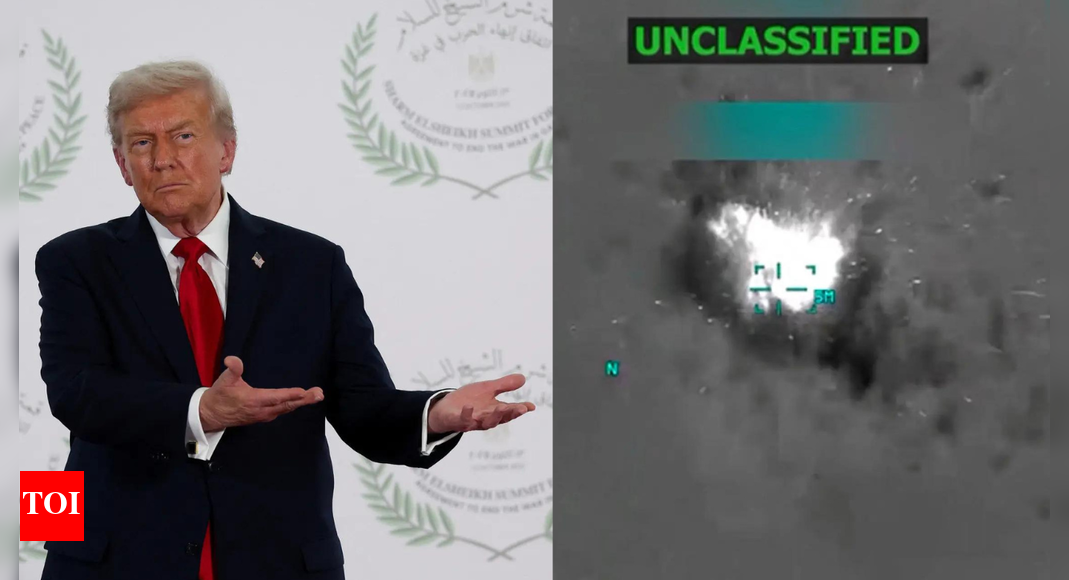
In a dramatic turn of events, the US Navy has found itself in uncharted waters, detaining two survivors from a suspected drug-running submarine in the Caribbean Sea. This unprecedented situation raises critical questions about the legal boundaries of President Donald Trump's aggressive campaign against drug trafficking.
The Navy's strike on Thursday, targeting a semi-submersible vessel, resulted in the deaths of 27 people in the first five attacks on speedboats. But this latest operation, which killed two more individuals, has brought the military into unfamiliar territory. The rescue of two survivors by a Navy helicopter has now placed these individuals in military custody, a first for the Trump administration's drug war.
The administration is grappling with a complex legal conundrum. The detainees are currently held on a Navy warship in international waters, and officials must decide their fate. Options include releasing them, holding them indefinitely as wartime prisoners, or transferring them to civilian law enforcement. However, each choice has its challenges. Sending the detainees to Guantanamo Bay could invite legal challenges, as the military courts there are authorized to try only Al Qaeda members, not drug cartel suspects.
President Trump's assertion that the submarine was "not an innocent group of people" underscores the administration's determination to combat drug trafficking. Yet, this incident highlights the delicate balance between military action and legal process. The evidence required for prosecution may have been compromised during the strike, and obtaining confessions raises legal and ethical concerns. As the administration navigates this complex situation, the fate of the two survivors remains a critical test of the limits and consequences of the US drug war.
Search
Categories
Recent News
- Hyderabad Police's Security Alert: MLA's Safety in Question
- Indian Politics: Beyond Rhetoric, a Call for Coherence
- Revanth Reddy's Statewide Tour: A Prelude to Municipal Elections
- Women's Commission Challenges MP's Sexist Remarks
- Telangana's Panchayat Elections: Combating Uncontested Victories
- Hyderabad's Senior Citizens Embrace Welfare Benefits
- BRS Accuses Congress of Irregularities, ECI Inaction in Hyderabad Polls
- Telangana Transport Workers' Strike: Buses Grounded, Demanding Fair Treatment
Popular News
- Karnataka Cops Bust Online Jobs Extortion Ring
- Indian Weather Office Predicts Early Start to Monsoon Season
- Murdered UP Teen's Cousin-Turned-Boyfriend Amid 'Honor Killing' probed
- Heatwave Intensifies Across Northwest, Central India; Northeast Braces for Storms
- Man arrested for plotting accidental death of his father