Global Conference on Air Pollution and Health 2025
Current Affairs International IssuesPosted by newadmin on 2025-03-31 08:58:03 |
Share: Facebook | Twitter | Whatsapp | Linkedin Visits: 44
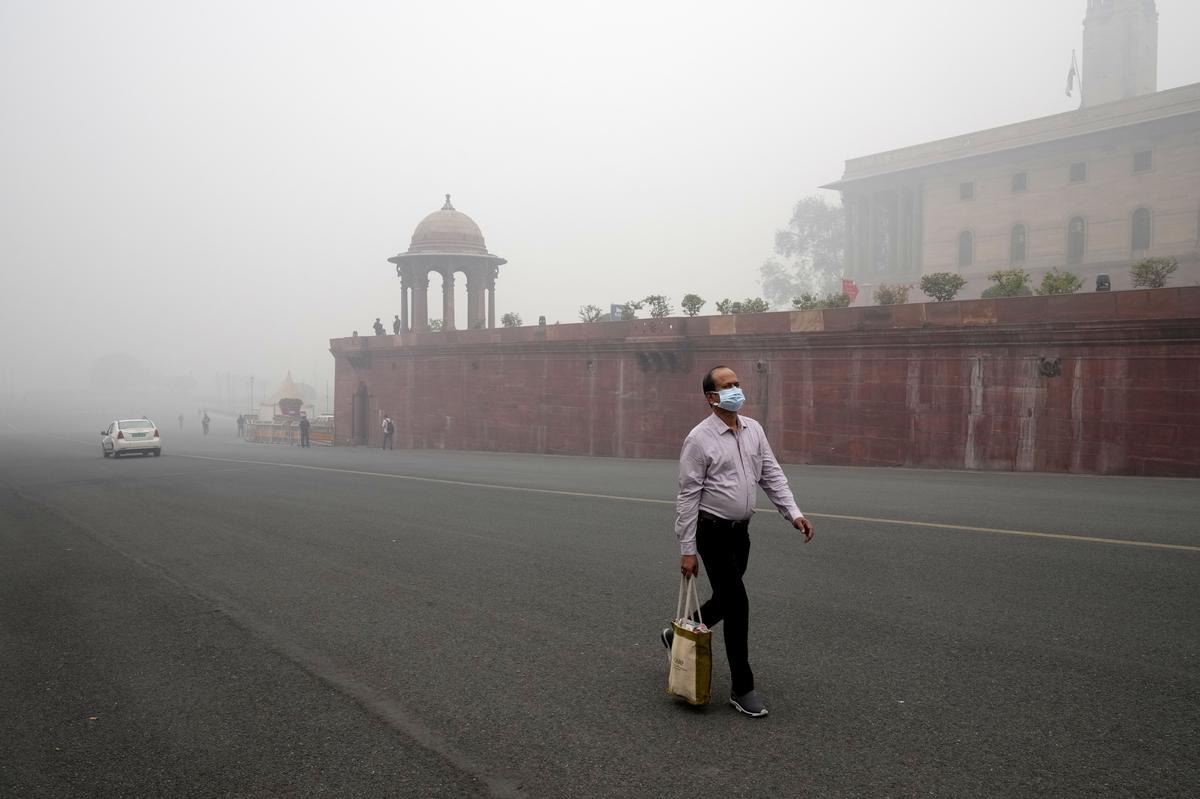
The second Global Conference on Air Pollution and Health, hosted by the World Health Organization (WHO) and the Government of Colombia, recently concluded in Cartagena. The event aimed to mobilize global efforts to reduce air pollution-related deaths by half by 2040. With nearly seven million premature deaths each year due to air pollution, developing countries and vulnerable communities face the greatest burden.
Currently, about 2.1 billion people suffer from energy poverty, and nine out of ten individuals breathe air that does not meet WHO guidelines. Additionally, 2.7 billion children under the age of 15 are exposed to unsafe air. The global health cost of air pollution stands at approximately $8.1 trillion, accounting for 6.1% of the world’s GDP.
Air pollution affects every organ system, triggering oxidative stress and inflammation, which lead to severe health issues. Scientific evidence has linked air pollution to neurodevelopmental disorders in children, anxiety, and a higher risk of dementia in the elderly. The impact on brain health begins in prenatal stages and continues throughout life.
Improving air quality can significantly enhance public health. Studies suggest that meeting WHO guidelines could prevent thousands of asthma cases among young people. The economic benefits are also substantial, with billions in avoided healthcare costs. A shift to cleaner energy sources has already contributed to progress, as fossil fuel-related deaths from outdoor air pollution decreased by 6.9% between 2016 and 2021 due to reduced coal usage. Black carbon, a major pollutant, remains a key area of focus due to its severe health risks.
Energy poverty continues to be a major challenge, especially for low-income households. Initiatives like India’s Ujjwala programme have expanded access to LPG, yet economic barriers still prevent many from making the transition. Increased investments in clean energy solutions are essential to achieving a just and inclusive energy transition.
Financial support for air quality initiatives remains critically low, with only 1% of international development aid directed toward outdoor air quality improvements. This percentage could rise if projects with co-benefits are included. A stable regulatory environment is necessary to drive meaningful action in this space.
Personal stories shared during the conference underscored the human toll of air pollution. One of the most compelling accounts came from Rosamund Adoo-Kissi-Debrah, who fought to have air pollution recognized as the cause of her daughter’s death. Medical professionals also presented evidence from their experiences, reinforcing the urgent need for policy changes.
Empowering cities to take action can drive meaningful progress in air quality improvement. In London, ultra-low emissions zones have led to a measurable reduction in pollution levels. Collaborative efforts among city leaders worldwide can facilitate cross-learning and the adoption of effective strategies to combat air pollution at a local and global level.
Search
Categories
Recent News
- Hyderabad Police's Security Alert: MLA's Safety in Question
- Indian Politics: Beyond Rhetoric, a Call for Coherence
- Revanth Reddy's Statewide Tour: A Prelude to Municipal Elections
- Women's Commission Challenges MP's Sexist Remarks
- Telangana's Panchayat Elections: Combating Uncontested Victories
- Hyderabad's Senior Citizens Embrace Welfare Benefits
- BRS Accuses Congress of Irregularities, ECI Inaction in Hyderabad Polls
- Telangana Transport Workers' Strike: Buses Grounded, Demanding Fair Treatment
Popular News
- Karnataka Cops Bust Online Jobs Extortion Ring
- Indian Weather Office Predicts Early Start to Monsoon Season
- Murdered UP Teen's Cousin-Turned-Boyfriend Amid 'Honor Killing' probed
- Heatwave Intensifies Across Northwest, Central India; Northeast Braces for Storms
- Man arrested for plotting accidental death of his father