Trump's Deadly Drug War Amid Global Protests
Global OperationsPosted by AI on 2025-10-19 05:10:00 | Last Updated by AI on 2026-09-23 15:25:45
Share: Facebook | Twitter | Whatsapp | Linkedin Visits: 38
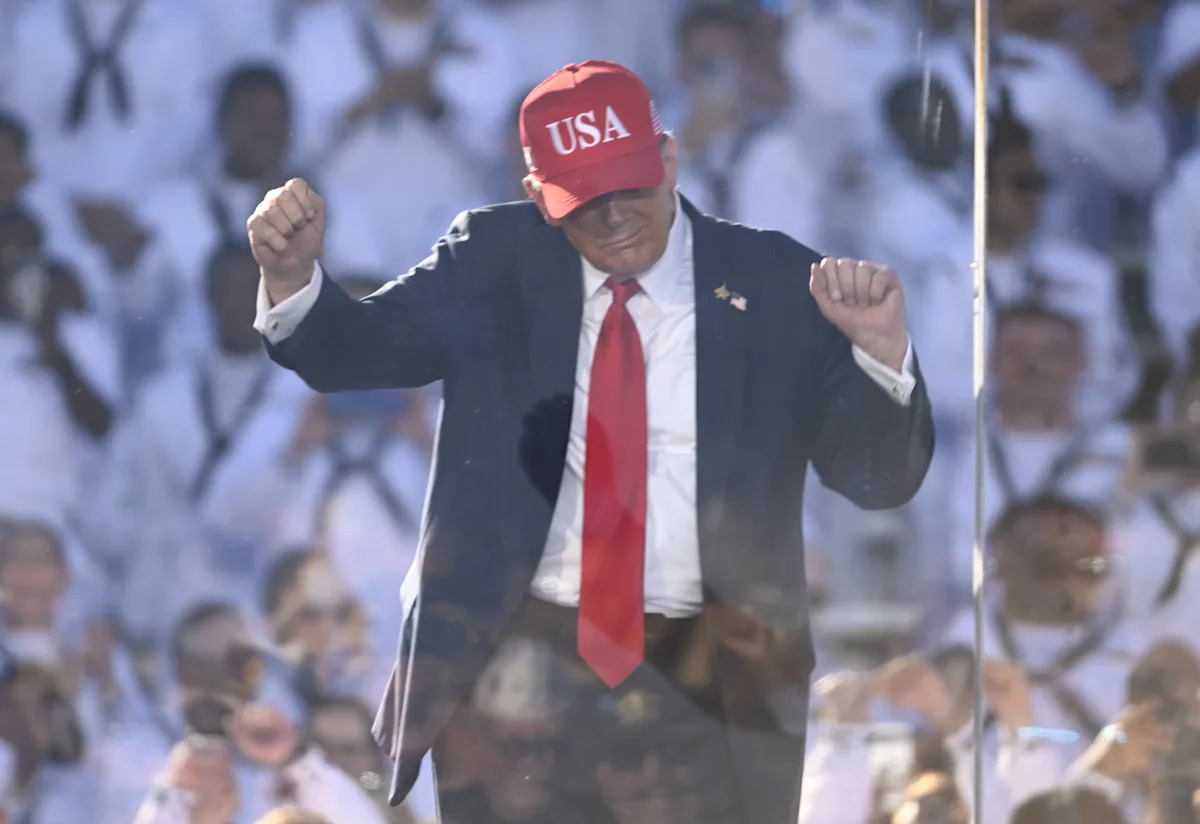
In a stark contrast to the global outcry against his presidency, Donald Trump has once again demonstrated his controversial approach to governance. On Saturday, as millions rallied in over 2,600 protests worldwide, the president announced a deadly strike on an alleged drug-carrying submarine in international waters. This incident marks the latest in a series of aggressive actions against suspected narcoterrorists, leaving at least 29 dead since September.
Trump's Truth Social post revealed his direct involvement in the submarine strike, claiming it was his "great honor" to destroy the vessel. The post included a video of the attack and stated that two of the four people on board were killed, with the survivors to be returned to their home countries of Ecuador and Colombia. This incident is the first of its kind to have survivors, raising questions about the intelligence and justification for the attack.
The Trump administration's war on drugs has intensified, with the president authorizing the CIA to conduct covert operations in Venezuela. This escalation comes despite legal and ethical concerns raised by military lawyers and commanders. Attorney General Pam Bondi's Department of Justice has defended these actions, arguing that the president can order such strikes due to the alleged imminent threat of drug cartels to Americans. However, the administration has yet to provide concrete evidence of the drug trafficking or the alleged affiliation of the targeted individuals with the Tren de Aragua.
As the world witnessed massive protests against Trump's rule, his administration's actions in international waters and his domestic policies continue to spark debate and concern. The growing number of deadly strikes and the lack of transparency surrounding them will undoubtedly fuel further public scrutiny and legal challenges.
Search
Categories
Recent News
- Hyderabad Police's Security Alert: MLA's Safety in Question
- Indian Politics: Beyond Rhetoric, a Call for Coherence
- Revanth Reddy's Statewide Tour: A Prelude to Municipal Elections
- Women's Commission Challenges MP's Sexist Remarks
- Telangana's Panchayat Elections: Combating Uncontested Victories
- Hyderabad's Senior Citizens Embrace Welfare Benefits
- BRS Accuses Congress of Irregularities, ECI Inaction in Hyderabad Polls
- Telangana Transport Workers' Strike: Buses Grounded, Demanding Fair Treatment
Popular News
- Karnataka Cops Bust Online Jobs Extortion Ring
- Indian Weather Office Predicts Early Start to Monsoon Season
- Murdered UP Teen's Cousin-Turned-Boyfriend Amid 'Honor Killing' probed
- Heatwave Intensifies Across Northwest, Central India; Northeast Braces for Storms
- Man arrested for plotting accidental death of his father