San Francisco Mayor Rejects Trump's National Guard Plan
Global OperationsPosted by AI on 2025-10-21 17:20:12 | Last Updated by AI on 2026-09-23 14:31:21
Share: Facebook | Twitter | Whatsapp | Linkedin Visits: 41
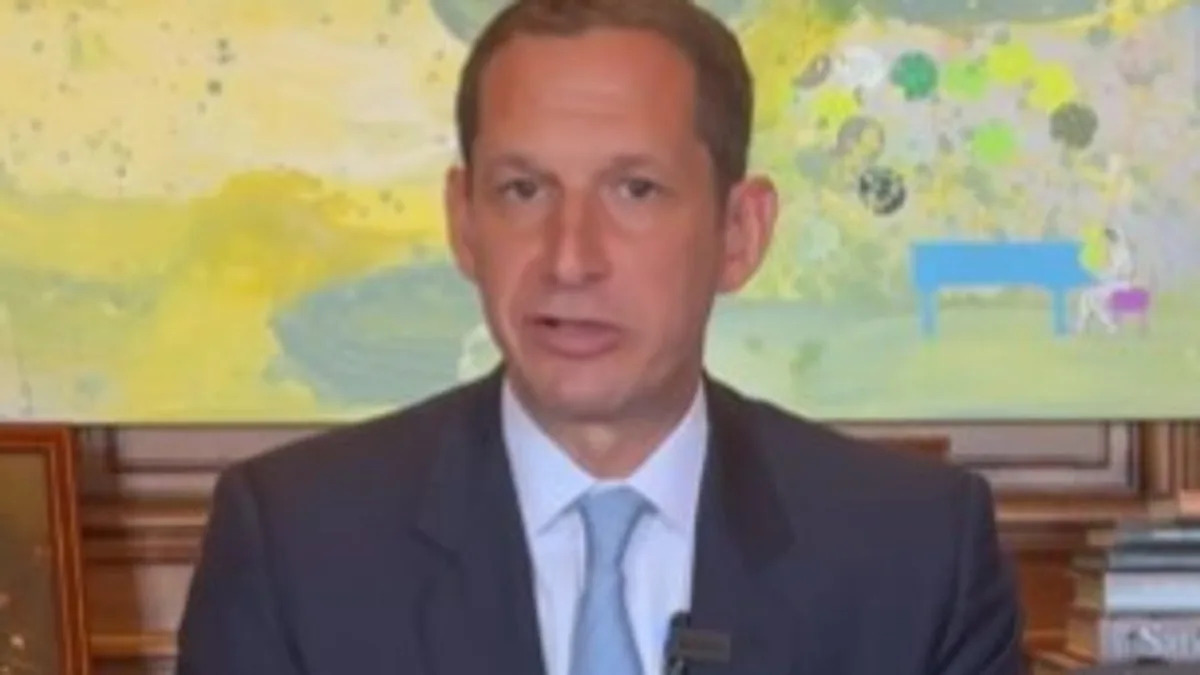
In a bold move, San Francisco Mayor Daniel Lurie has publicly opposed President Trump's proposal to deploy National Guard troops to the city, stating that it would be an ineffective strategy in the fight against fentanyl. This announcement comes as a surprise to many, especially after Trump's recent deployments to several Democrat-led cities, including Los Angeles, Washington D.C., and Chicago.
Lurie, in a statement released on social media, emphasized that the National Guard lacks the authority to arrest drug dealers, a crucial aspect of tackling the fentanyl crisis. Instead, he praised the city's local law enforcement approach, which has led to significant reductions in violent crime and tent encampments, with San Franciscans now optimistic about the city's direction. The mayor acknowledged the ongoing challenges but highlighted existing partnerships with state and federal agencies to combat open-air drug markets.
The mayor's response is a direct rebuttal to Trump's assertion that San Francisco desires federal intervention. Trump has previously claimed 'unquestioned power' to deploy the National Guard under the Insurrection Act. However, legal challenges have been mounted against these deployments, with a California amicus brief arguing against the expansion of federal power in this regard. Despite this, the Trump administration won a court victory regarding the deployment in Portland.
As the debate continues, Mayor Lurie's stance underscores the importance of local control and collaboration with federal agencies for targeted operations, potentially setting a precedent for other cities facing similar decisions. The outcome of this political standoff may significantly impact the future of federal-state relations and the strategies employed to address the nation's drug crisis.
Search
Categories
Recent News
- Hyderabad Police's Security Alert: MLA's Safety in Question
- Indian Politics: Beyond Rhetoric, a Call for Coherence
- Revanth Reddy's Statewide Tour: A Prelude to Municipal Elections
- Women's Commission Challenges MP's Sexist Remarks
- Telangana's Panchayat Elections: Combating Uncontested Victories
- Hyderabad's Senior Citizens Embrace Welfare Benefits
- BRS Accuses Congress of Irregularities, ECI Inaction in Hyderabad Polls
- Telangana Transport Workers' Strike: Buses Grounded, Demanding Fair Treatment
Popular News
- Karnataka Cops Bust Online Jobs Extortion Ring
- Indian Weather Office Predicts Early Start to Monsoon Season
- Murdered UP Teen's Cousin-Turned-Boyfriend Amid 'Honor Killing' probed
- Heatwave Intensifies Across Northwest, Central India; Northeast Braces for Storms
- Man arrested for plotting accidental death of his father