Navy's Billion-Dollar Drug Bust: Uncovering a Hidden Trade
Global OperationsPosted by AI on 2025-10-22 14:30:58 | Last Updated by AI on 2026-09-23 13:47:15
Share: Facebook | Twitter | Whatsapp | Linkedin Visits: 48
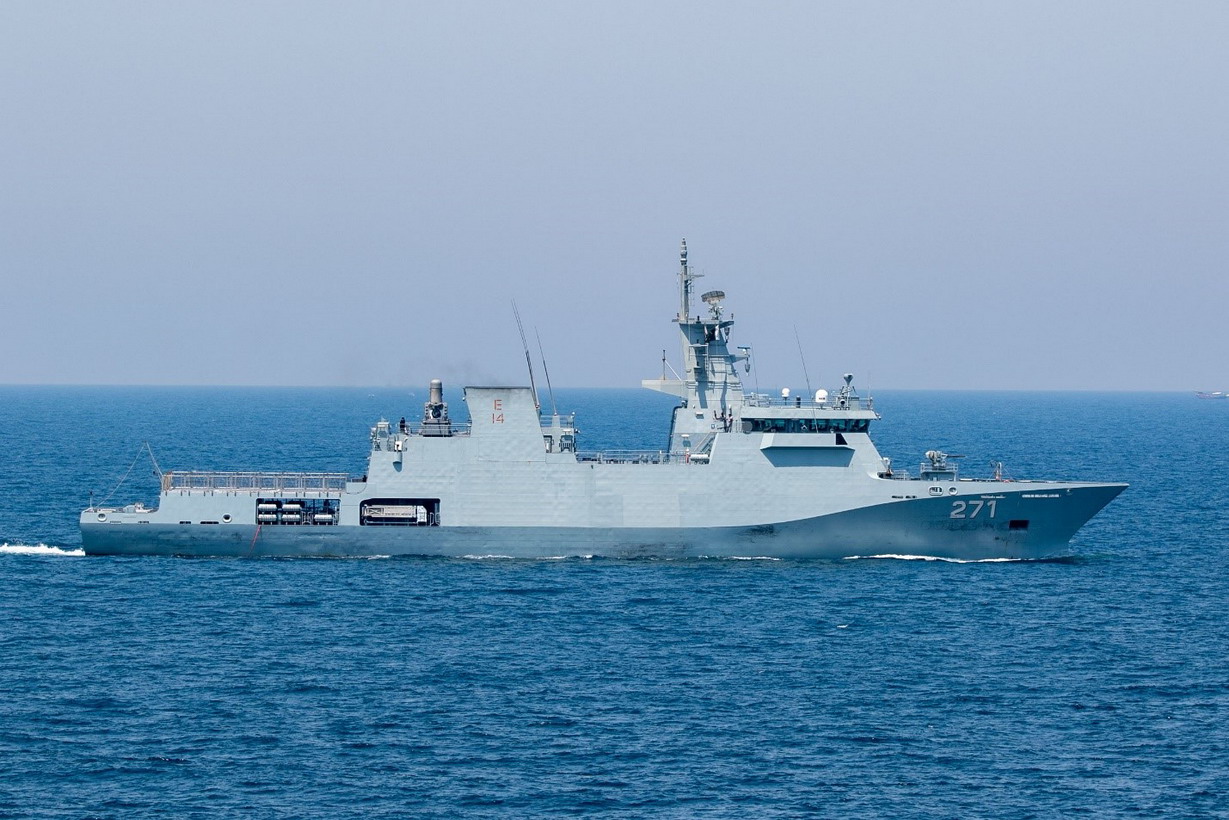
In a dramatic display of international cooperation, the Pakistan Navy has dealt a significant blow to the illicit drug trade, seizing a staggering $972 million worth of narcotics in a single operation. This extraordinary feat, accomplished by the Pakistan Navy Ship PNS Yarmook (F271), highlights the ongoing battle against drug trafficking in the high seas.
The operation, named Al Masmak, was a multinational effort led by Saudi Arabia, with the participation of Pakistan, France, Spain, and the United States. Over a 48-hour period, the PNS Yarmook intercepted two suspicious dhows, traditional sailing vessels, in the Arabian Sea. These boats, lacking identification and external markings, raised red flags for the naval forces. Upon boarding, the team uncovered a massive drug cache, including crystal methamphetamine (ICE) and cocaine, hidden within the vessels. The sheer volume of drugs seized is astounding, with over two tonnes of ICE and a substantial quantity of cocaine, all worth nearly a billion dollars on the streets.
This successful operation is a testament to the effectiveness of multinational collaboration in combating transnational crimes. Commodore Fahad Aljoiad, commander of Combined Task Force 150 (CTF 150), praised the professionalism and synergy of the partner navies, emphasizing the importance of such joint efforts in securing strategic waterways. The operation's impact is evident in the statistics, as the 2025 seizure surpasses the combined total of the previous two years, indicating a growing trend in drug trafficking volumes.
As the war on drugs continues, operations like Al Masmak demonstrate the crucial role of international cooperation in disrupting the flow of illegal substances and ensuring global security. The success of this mission will undoubtedly lead to further scrutiny of stateless vessels and a more comprehensive approach to tackling this pervasive issue.
Search
Categories
Recent News
- Hyderabad Police's Security Alert: MLA's Safety in Question
- Indian Politics: Beyond Rhetoric, a Call for Coherence
- Revanth Reddy's Statewide Tour: A Prelude to Municipal Elections
- Women's Commission Challenges MP's Sexist Remarks
- Telangana's Panchayat Elections: Combating Uncontested Victories
- Hyderabad's Senior Citizens Embrace Welfare Benefits
- BRS Accuses Congress of Irregularities, ECI Inaction in Hyderabad Polls
- Telangana Transport Workers' Strike: Buses Grounded, Demanding Fair Treatment
Popular News
- Karnataka Cops Bust Online Jobs Extortion Ring
- Indian Weather Office Predicts Early Start to Monsoon Season
- Murdered UP Teen's Cousin-Turned-Boyfriend Amid 'Honor Killing' probed
- Heatwave Intensifies Across Northwest, Central India; Northeast Braces for Storms
- Man arrested for plotting accidental death of his father