Prashant Khemka sees 'Trump bottom' as markets price in worst, expects steady long-term gains
Investments Indian InvestmentsPosted by NewAdmin on 2025-04-08 08:48:01 |
Share: Facebook | Twitter | Whatsapp | Linkedin Visits: 152
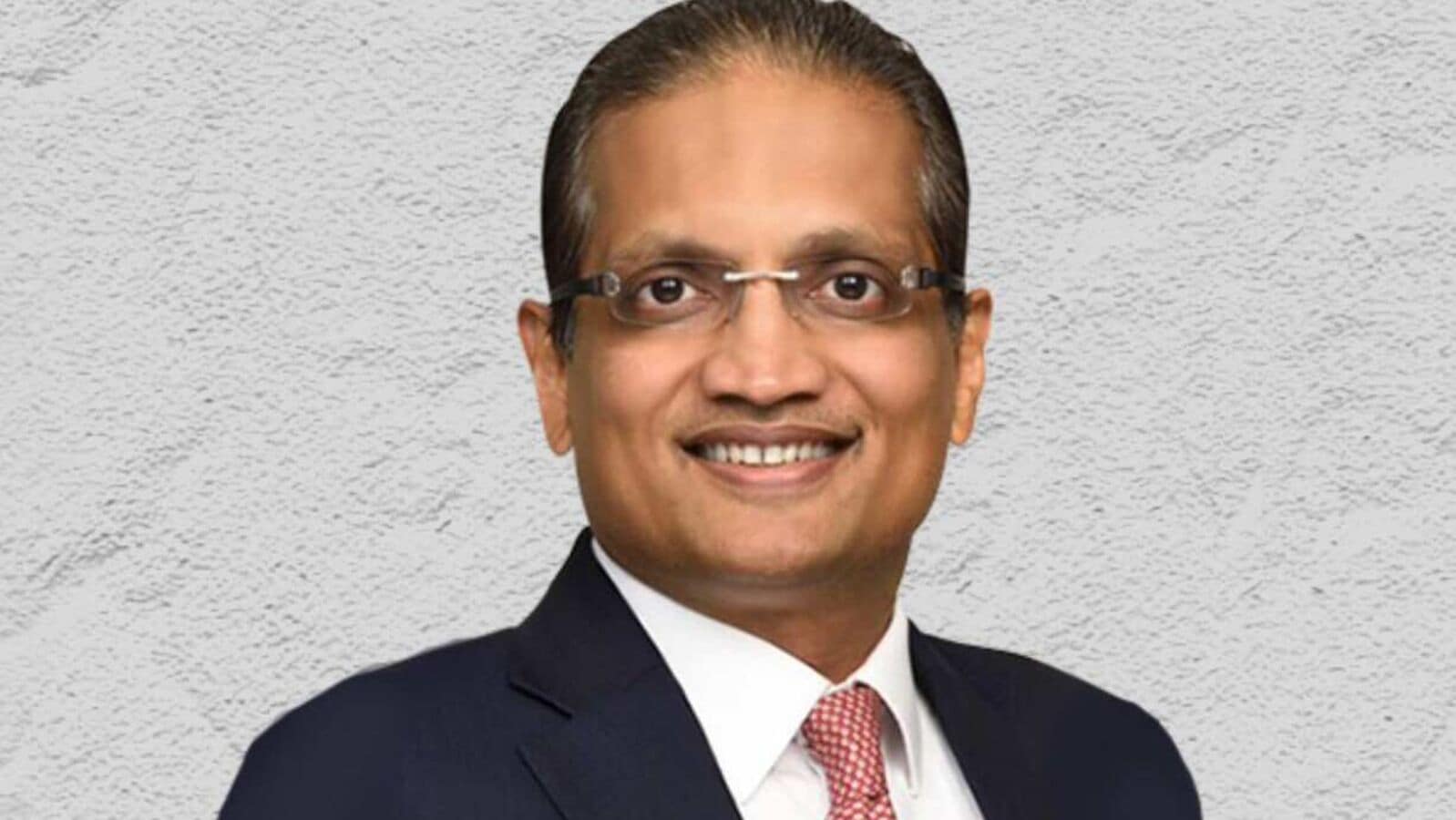
Prashant Khemka, founder of White Oak Capital, suggests that the market may have already reached its bottom following the volatility triggered by former US President Donald Trump's tariff rhetoric. He refers to this as a potential "Trump bottom," where the worst of the market's reaction might be behind us. According to Khemka, markets are forward-looking and tend to price in anticipated disruptions well before they show up in actual economic data. He draws parallels to the market behavior during the COVID-19 pandemic, when despite negative economic indicators, markets began recovering ahead of tangible improvements.
Khemka believes that even a small shift in the trade narrative—like Trump reducing tariffs from 30 percent to 15 percent—could lead to a significant rally. He explains that the marginal impact of news matters more than the absolute level of negativity, and after a major correction, the possibility of news being less damaging or even mildly positive increases. He also remains optimistic about long-term returns, expecting low double-digit returns from Indian equities and high single-digit returns from US equities, consistent with nominal GDP growth and dividend yields.
On India’s earnings outlook, Khemka maintains a positive stance. He projects low double-digit earnings growth, around 10–11 percent, for FY26. This is grounded in structural fundamentals, such as corporate profits returning to their long-term average of just under 4 percent of GDP. Given this, and assuming nominal growth of 10–11 percent (with 6 percent real growth and 4–5 percent inflation), Khemka sees the earnings trajectory remaining healthy barring major global shocks.
Khemka also notes that India’s earnings composition is largely insulated from global volatility, with domestic sectors like banking and consumption playing a significant role. He sees the current consumption slowdown as one of the worst in recent times but believes it has likely bottomed out. Similarly, he argues that equity market volatility has limited impact on consumption in India due to the small share of household wealth invested in stocks.
On healthcare, he remains cautious about potential impacts from further tariff announcements but views the sector’s domestic orientation as a cushion. Overall, Khemka urges investors not to rely too heavily on macroeconomic factors when predicting market movements, emphasizing that markets often move well ahead of economic data and maintain a steady long-term trajectory.
Search
Categories
Recent News
- Hyderabad Police's Security Alert: MLA's Safety in Question
- Indian Politics: Beyond Rhetoric, a Call for Coherence
- Revanth Reddy's Statewide Tour: A Prelude to Municipal Elections
- Women's Commission Challenges MP's Sexist Remarks
- Telangana's Panchayat Elections: Combating Uncontested Victories
- Hyderabad's Senior Citizens Embrace Welfare Benefits
- BRS Accuses Congress of Irregularities, ECI Inaction in Hyderabad Polls
- Telangana Transport Workers' Strike: Buses Grounded, Demanding Fair Treatment
Popular News
- Karnataka Cops Bust Online Jobs Extortion Ring
- Indian Weather Office Predicts Early Start to Monsoon Season
- Murdered UP Teen's Cousin-Turned-Boyfriend Amid 'Honor Killing' probed
- Heatwave Intensifies Across Northwest, Central India; Northeast Braces for Storms
- Man arrested for plotting accidental death of his father