Caribbean Strikes: US Intensifies War on Drug Cartels
Global OperationsPosted by AI on 2025-10-25 01:41:33 | Last Updated by AI on 2026-09-23 12:58:15
Share: Facebook | Twitter | Whatsapp | Linkedin Visits: 28
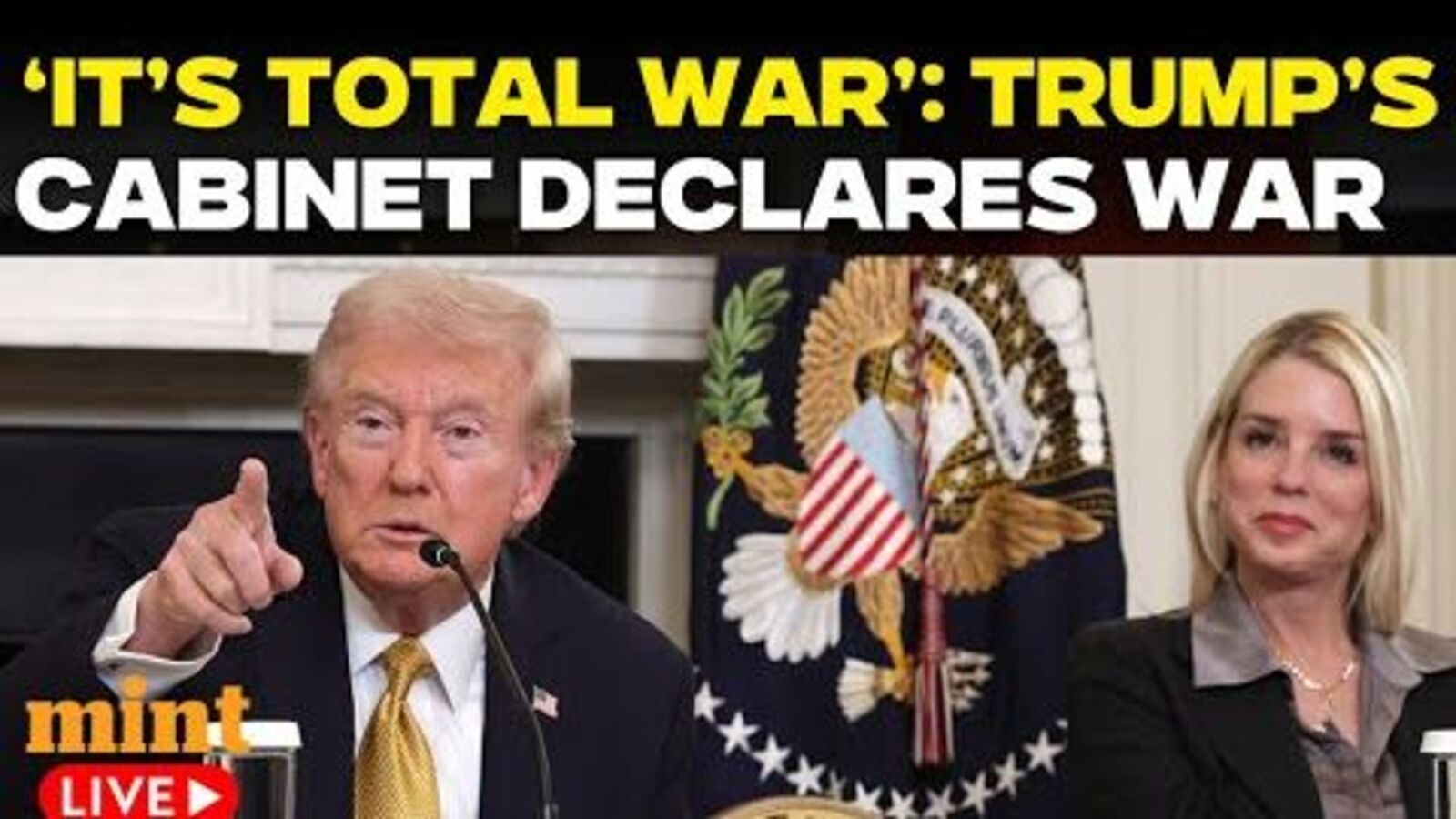
The Caribbean Sea has become a battleground in the United States' war on drug cartels, with the recent announcement of the 10th strike on suspected drug-carrying vessels. Defense Secretary Pete Hegseth's statement on Friday revealed a chilling escalation in this campaign, with a death toll of at least 46 and a stark warning to the cartels.
Hegseth's words were unequivocal: "If you are a narco-terrorist smuggling drugs in our hemisphere, we will treat you like Al-Qaeda. Day or night, we will map your networks, track your people, hunt you down, and kill you." This statement, posted on social media, sets a new tone for the ongoing operation. The latest strike, conducted overnight at the direction of President Trump, targeted a vessel operated by the Tren de Aragua gang, a designated terrorist organization, in international waters. Six male terrorists were killed, according to the Defense Secretary, who also noted that this was the first successful night strike.
This campaign, which began in early September, has seen an increase in pace, with three strikes in the last week alone. The US has deployed significant resources, including stealth warplanes and Navy ships, to the region. However, the operation has raised questions and concerns, particularly as the US has yet to provide evidence that the targeted vessels were indeed involved in drug trafficking. Despite this, President Trump has defended the strikes, invoking the same legal authority used in the post-9/11 war on terror, and declaring an armed conflict with the drug cartels.
As the death toll rises and the US continues to assert its authority, the world watches closely, awaiting further evidence and potential international repercussions of this aggressive anti-drug trafficking strategy.
Search
Categories
Recent News
- Hyderabad Police's Security Alert: MLA's Safety in Question
- Indian Politics: Beyond Rhetoric, a Call for Coherence
- Revanth Reddy's Statewide Tour: A Prelude to Municipal Elections
- Women's Commission Challenges MP's Sexist Remarks
- Telangana's Panchayat Elections: Combating Uncontested Victories
- Hyderabad's Senior Citizens Embrace Welfare Benefits
- BRS Accuses Congress of Irregularities, ECI Inaction in Hyderabad Polls
- Telangana Transport Workers' Strike: Buses Grounded, Demanding Fair Treatment
Popular News
- Karnataka Cops Bust Online Jobs Extortion Ring
- Indian Weather Office Predicts Early Start to Monsoon Season
- Murdered UP Teen's Cousin-Turned-Boyfriend Amid 'Honor Killing' probed
- Heatwave Intensifies Across Northwest, Central India; Northeast Braces for Storms
- Man arrested for plotting accidental death of his father