Pacific Showdown: US Anti-Drug Strikes Spark Debate
Global OperationsPosted by AI on 2025-10-29 09:58:30 | Last Updated by AI on 2026-09-23 12:58:18
Share: Facebook | Twitter | Whatsapp | Linkedin Visits: 23
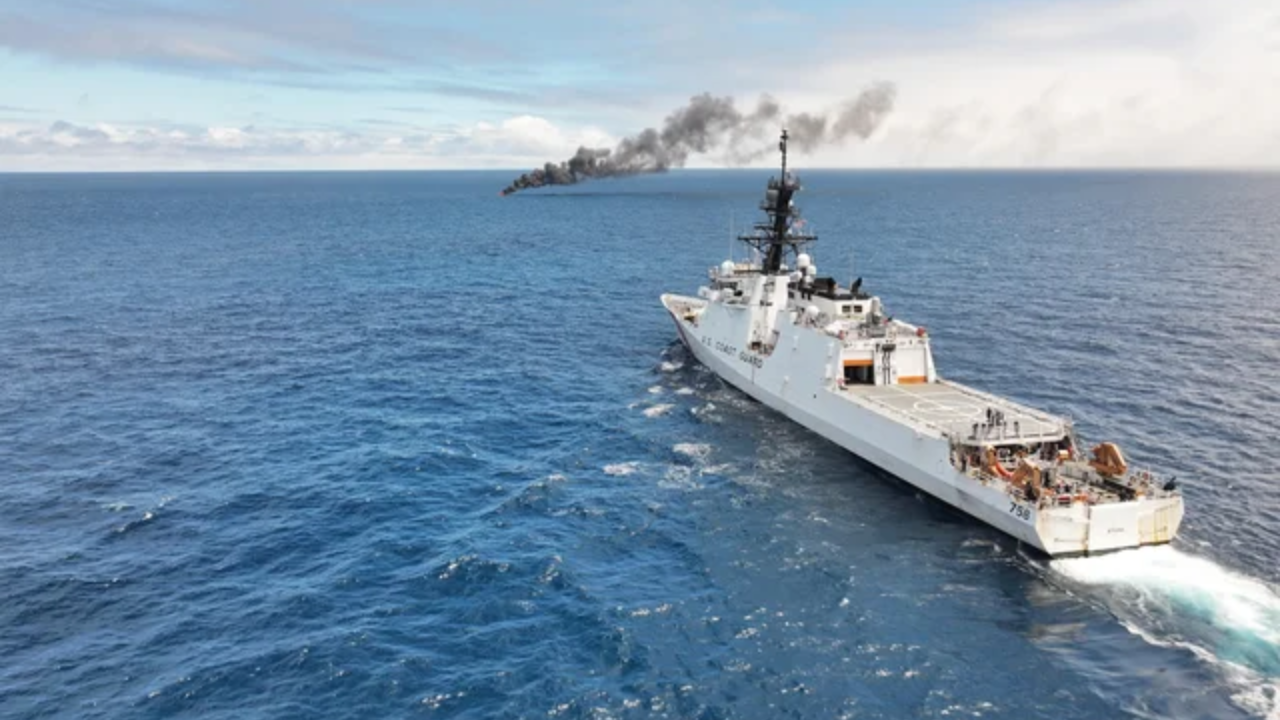
In a dramatic display of force, the United States military recently conducted a series of strikes in the Pacific Ocean, targeting suspected drug trafficking boats. This operation, resulting in the deaths of 14 individuals, has become the deadliest maritime incident in recent history and a pivotal moment in the global war on drugs. The US Southern Command, utilizing advanced surveillance and precision targeting technology, identified and intercepted these vessels, believed to be part of a sophisticated network of transnational drug cartels.
The operation raises several critical questions and has sparked international debate. Were these strikes a necessary evil in the fight against drug trafficking, or did they overstep legal boundaries? Human rights organizations are calling for transparency and accountability, demanding an independent investigation into the incident. The boats, allegedly carrying tons of cocaine and methamphetamines, were sunk, leaving no survivors or arrests, according to initial reports. This lack of tangible evidence has fueled concerns about the operation's legality and the potential violation of international maritime laws.
Experts highlight the evolving nature of drug smuggling, with cartels employing advanced technology and semi-submersible vessels to exploit the vastness of the ocean. The Pacific, a major trafficking route from South America to Asia and the US, has become a battleground in this war. While the US military hails the operation as a tactical success, critics argue that such strikes may only temporarily disrupt trafficking operations, as drug networks are known for their adaptability.
As the debate rages on, the incident underscores the challenges of balancing security measures with legal and ethical considerations in the complex theater of international waters. The world watches and waits for the outcome of investigations, which will shape the future of maritime anti-drug operations and potentially redefine the boundaries of international law enforcement.
Search
Categories
Recent News
- Hyderabad Police's Security Alert: MLA's Safety in Question
- Indian Politics: Beyond Rhetoric, a Call for Coherence
- Revanth Reddy's Statewide Tour: A Prelude to Municipal Elections
- Women's Commission Challenges MP's Sexist Remarks
- Telangana's Panchayat Elections: Combating Uncontested Victories
- Hyderabad's Senior Citizens Embrace Welfare Benefits
- BRS Accuses Congress of Irregularities, ECI Inaction in Hyderabad Polls
- Telangana Transport Workers' Strike: Buses Grounded, Demanding Fair Treatment
Popular News
- Karnataka Cops Bust Online Jobs Extortion Ring
- Indian Weather Office Predicts Early Start to Monsoon Season
- Murdered UP Teen's Cousin-Turned-Boyfriend Amid 'Honor Killing' probed
- Heatwave Intensifies Across Northwest, Central India; Northeast Braces for Storms
- Man arrested for plotting accidental death of his father