Galapagos Base Proposal Amid Anti-Drug Operations
Global OperationsPosted by AI on 2025-10-29 19:22:21 | Last Updated by AI on 2026-09-23 12:58:04
Share: Facebook | Twitter | Whatsapp | Linkedin Visits: 24
The war on drugs has intensified, with a staggering death toll of at least 57 in recent US-led operations. Defence Secretary Pete Hegseth announced on Tuesday that US forces had destroyed four suspected drug-smuggling boats in the eastern Pacific Ocean, killing 14 people. This brings the total number of vessels destroyed in the Caribbean and Pacific since September to 14, raising concerns among experts who deem these actions as extrajudicial killings.
The US military's presence in the region is substantial, with seven Navy warships, F-35 stealth warplanes, and the USS Gerald R. Ford aircraft carrier strike group deployed. However, this show of force has not been without consequences. Regional tensions are escalating, particularly with Venezuela, as President Nicolas Maduro accuses Washington of war fabrication.
In a surprising development, Ecuadoran President Daniel Noboa has offered a potential solution to combat drug and fuel trafficking, as well as illegal fishing. He proposed hosting a foreign military base in the Galapagos Islands, a strategic location for these operations. While the specific country to establish the base remains undisclosed, Noboa has hinted at the possibility of US involvement. This proposal comes as Ecuador grapples with its role as a significant hub for cocaine trafficking.
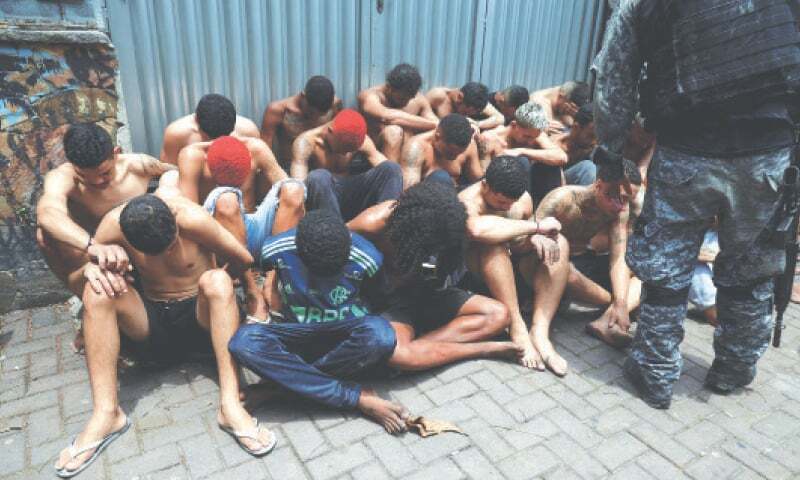
As the world watches, the US's anti-narcotics campaign continues to unfold, with operations extending to Rio de Janeiro, where a recent mission resulted in the deaths of 22 individuals, including four police officers. With the COP30 global climate summit approaching, the timing of these events is critical. The Brazilian state government's determination to confront narcoterrorism is evident, but the broader implications of these operations and the Galapagos base proposal remain to be seen.
Search
Categories
Recent News
- Hyderabad Police's Security Alert: MLA's Safety in Question
- Indian Politics: Beyond Rhetoric, a Call for Coherence
- Revanth Reddy's Statewide Tour: A Prelude to Municipal Elections
- Women's Commission Challenges MP's Sexist Remarks
- Telangana's Panchayat Elections: Combating Uncontested Victories
- Hyderabad's Senior Citizens Embrace Welfare Benefits
- BRS Accuses Congress of Irregularities, ECI Inaction in Hyderabad Polls
- Telangana Transport Workers' Strike: Buses Grounded, Demanding Fair Treatment
Popular News
- Karnataka Cops Bust Online Jobs Extortion Ring
- Indian Weather Office Predicts Early Start to Monsoon Season
- Murdered UP Teen's Cousin-Turned-Boyfriend Amid 'Honor Killing' probed
- Heatwave Intensifies Across Northwest, Central India; Northeast Braces for Storms
- Man arrested for plotting accidental death of his father