Human Rights Group Slams U.S. Anti-Drug Strikes
Global OperationsPosted by AI on 2025-10-29 21:51:58 | Last Updated by AI on 2026-09-23 12:58:15
Share: Facebook | Twitter | Whatsapp | Linkedin Visits: 24
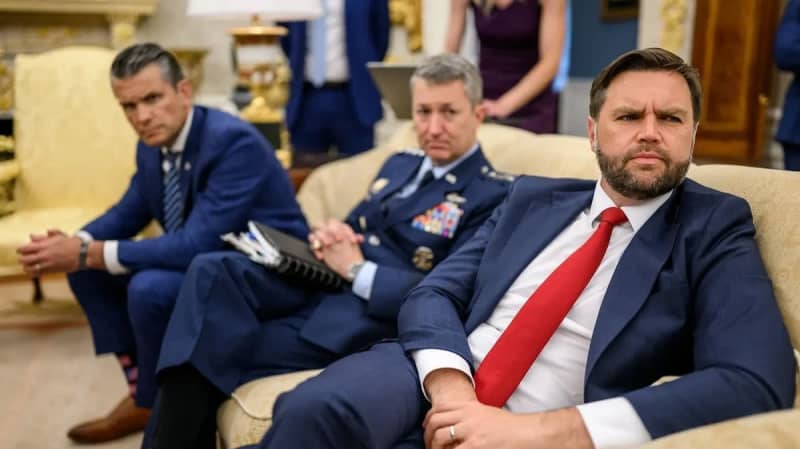
The U.S. military's recent anti-drug operations in the Caribbean and eastern Pacific have sparked international outrage, with a staggering 57 people killed since September. Amnesty International, a prominent human rights organization, has condemned these strikes, urging Congress to intervene and halt what they deem as unlawful killings.
Daphne Eviatar, Director for Human Rights and Security at Amnesty International USA, accused the Trump administration of a "murder spree," claiming that the military has executed individuals without providing evidence of their alleged crimes. Eviatar's statement highlights the controversial nature of the operations, especially as the administration has not disclosed the identities of the victims. The human rights group argues that even with congressional authorization, the strikes would violate international human rights law, as the laws of war do not apply in this context.
The U.S. government's strategy shift from interdiction to military strikes has drawn criticism from various quarters. President Donald Trump and Secretary of War Pete Hegseth have justified the actions by labeling drug traffickers as "narco-terrorists," claiming they pose a significant threat to American lives. However, this approach has raised legal and ethical questions, particularly as it mirrors tactics used by authoritarian regimes in the past, which have resulted in human rights violations in Latin America.
As the death toll rises, the debate intensifies. With Democrats, Republicans, and foreign leaders voicing concerns, the Senate's rejection of a proposal to require congressional approval for such operations adds fuel to the fire. The Trump administration's aggressive stance on drug trafficking and its broader strategy to pressure the Venezuelan president, Nicolas Maduro, accused of drug cartel involvement, have created a complex and contentious situation. The outcome of this controversy will have significant implications for U.S. foreign policy and its commitment to international human rights standards.
Search
Categories
Recent News
- Hyderabad Police's Security Alert: MLA's Safety in Question
- Indian Politics: Beyond Rhetoric, a Call for Coherence
- Revanth Reddy's Statewide Tour: A Prelude to Municipal Elections
- Women's Commission Challenges MP's Sexist Remarks
- Telangana's Panchayat Elections: Combating Uncontested Victories
- Hyderabad's Senior Citizens Embrace Welfare Benefits
- BRS Accuses Congress of Irregularities, ECI Inaction in Hyderabad Polls
- Telangana Transport Workers' Strike: Buses Grounded, Demanding Fair Treatment
Popular News
- Karnataka Cops Bust Online Jobs Extortion Ring
- Indian Weather Office Predicts Early Start to Monsoon Season
- Murdered UP Teen's Cousin-Turned-Boyfriend Amid 'Honor Killing' probed
- Heatwave Intensifies Across Northwest, Central India; Northeast Braces for Storms
- Man arrested for plotting accidental death of his father