Supreme Court Ruling Reinforces Presidential Accountability in Bill Assent
Current Affairs NationalPosted by newadmin on 2025-04-15 08:45:14 |
Share: Facebook | Twitter | Whatsapp | Linkedin Visits: 92
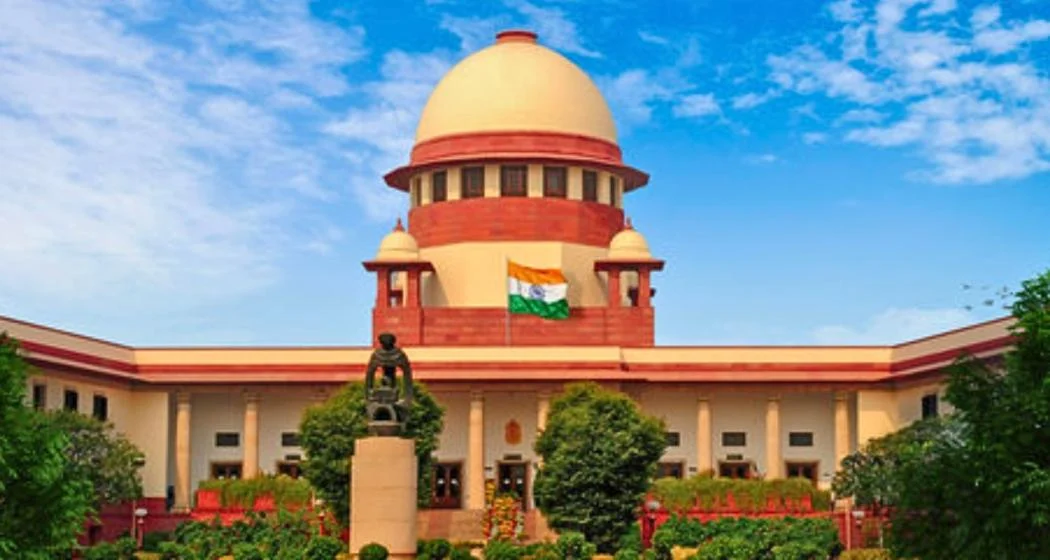
In a significant judgment, the Supreme Court of India has ruled that the President must provide clear and cogent reasons when withholding assent to a bill. This decision strengthens the principles of limited government, accountability, and the separation of powers, marking a milestone in constitutional jurisprudence.
The court’s interpretation of Article 143—which allows the President to seek the Supreme Court’s opinion on important legal matters—emphasizes the need for justification in executive decisions. If the President deviates from the Court’s advice, compelling policy reasons must be recorded. This provision upholds transparency and curbs arbitrary use of executive power.
Additionally, the ruling enhances the scope of judicial review by making the President's reasoning subject to legal scrutiny. This means courts can now assess whether the reasons given align with constitutional principles, reinforcing the judiciary’s role in maintaining checks and balances.
The court also addressed procedural delays by establishing timelines for decision-making by governors and the President on legislative bills. These timelines aim to streamline the law-making process and prevent indefinite holds on legislation.
Finally, the ruling reiterated the governor's role in reserving bills based on constitutional concerns, placing the onus on the President to act judiciously. This decision is a firm step toward ensuring that India’s democratic institutions operate within the constitutional framework and remain answerable to the people.
Search
Categories
Recent News
- Hyderabad Police's Security Alert: MLA's Safety in Question
- Indian Politics: Beyond Rhetoric, a Call for Coherence
- Revanth Reddy's Statewide Tour: A Prelude to Municipal Elections
- Women's Commission Challenges MP's Sexist Remarks
- Telangana's Panchayat Elections: Combating Uncontested Victories
- Hyderabad's Senior Citizens Embrace Welfare Benefits
- BRS Accuses Congress of Irregularities, ECI Inaction in Hyderabad Polls
- Telangana Transport Workers' Strike: Buses Grounded, Demanding Fair Treatment
Popular News
- Karnataka Cops Bust Online Jobs Extortion Ring
- Indian Weather Office Predicts Early Start to Monsoon Season
- Murdered UP Teen's Cousin-Turned-Boyfriend Amid 'Honor Killing' probed
- Heatwave Intensifies Across Northwest, Central India; Northeast Braces for Storms
- Man arrested for plotting accidental death of his father