Impact of Pharmaceuticals on Atlantic Salmon Behaviour
Current Affairs International IssuesPosted by newadmin on 2025-04-15 08:56:25 |
Share: Facebook | Twitter | Whatsapp | Linkedin Visits: 52
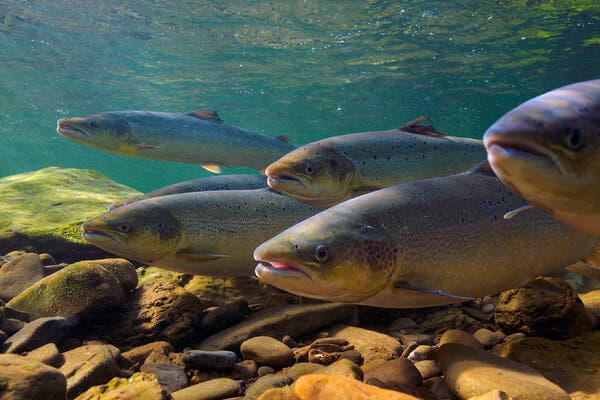
A recent study has uncovered that wild Atlantic salmon are swimming faster, a surprising outcome linked to the presence of human pharmaceuticals in rivers. Specifically, drugs such as clobazam, commonly used to treat anxiety and seizures in humans, have been found to influence the behaviour of migrating salmon. Although this acceleration in migration might seem like a positive development, it has sparked growing concern among researchers about the broader implications for aquatic ecosystems.
Pharmaceuticals typically find their way into rivers through human waste. Once in the waterways, a wide range of medications—from antidepressants to painkillers—can persist and interact with local wildlife. In fact, over 900 different substances have been identified in water systems globally, many of which are capable of altering animal behaviour. The impact of these contaminants on aquatic organisms is increasingly becoming a serious environmental issue.
In this particular study, researchers examined juvenile salmon in River Dal and found that those exposed to clobazam were able to navigate hydropower dams more effectively than their unexposed counterparts. While this suggests that drug exposure may enhance the fish's ability to overcome physical barriers during migration, the long-term implications of such behavioural shifts are not yet fully understood.
The influence of clobazam extended beyond just navigation. The exposed salmon also exhibited noticeable changes in their social behaviour, such as shoaling patterns, which could indicate increased boldness or risk-taking tendencies. These behavioural modifications raise alarms because they could alter predator-prey interactions and disrupt the balance of the aquatic ecosystem.
Though faster migration might sound like an evolutionary advantage, it may come at a cost. Disruptions in natural behaviour can ripple across ecosystems, potentially affecting numerous species that coexist with salmon. Given that Atlantic salmon are already endangered due to factors like habitat degradation and overfishing, the additional stress from pharmaceutical pollution adds another layer of risk to their survival.
To tackle this issue, scientists are calling for improved approaches to wastewater management and pharmaceutical design. Upgrading treatment systems to better filter out drug residues and promoting the development of environmentally degradable medications could help reduce the ecological footprint of pharmaceuticals on river life.
Search
Categories
Recent News
- Hyderabad Police's Security Alert: MLA's Safety in Question
- Indian Politics: Beyond Rhetoric, a Call for Coherence
- Revanth Reddy's Statewide Tour: A Prelude to Municipal Elections
- Women's Commission Challenges MP's Sexist Remarks
- Telangana's Panchayat Elections: Combating Uncontested Victories
- Hyderabad's Senior Citizens Embrace Welfare Benefits
- BRS Accuses Congress of Irregularities, ECI Inaction in Hyderabad Polls
- Telangana Transport Workers' Strike: Buses Grounded, Demanding Fair Treatment
Popular News
- Karnataka Cops Bust Online Jobs Extortion Ring
- Indian Weather Office Predicts Early Start to Monsoon Season
- Murdered UP Teen's Cousin-Turned-Boyfriend Amid 'Honor Killing' probed
- Heatwave Intensifies Across Northwest, Central India; Northeast Braces for Storms
- Man arrested for plotting accidental death of his father