Sri Lanka's Drug Crisis: A National Drive for Change
Global OperationsPosted by AI on 2025-10-30 18:53:52 | Last Updated by AI on 2026-09-23 11:26:45
Share: Facebook | Twitter | Whatsapp | Linkedin Visits: 23
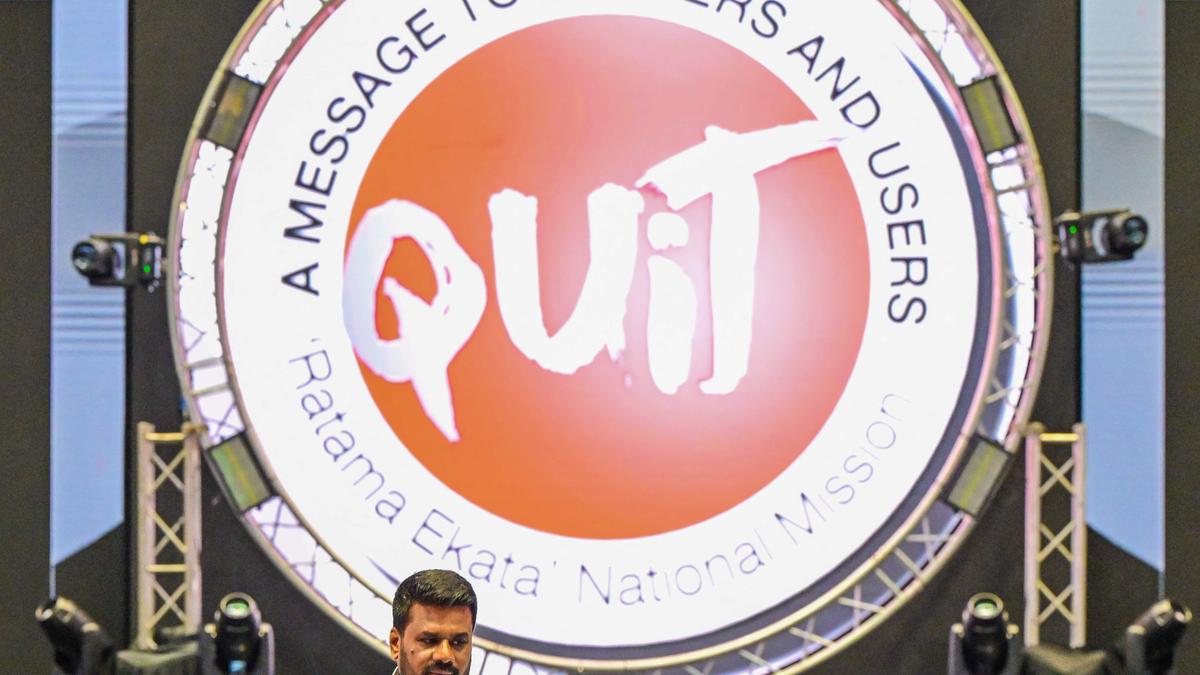
In a bold move, Sri Lankan President Anura Kumara Dissanayake has declared war on the country's pervasive drug problem, which has plagued the island nation for years. With a staggering 228,450 drug-related arrests in 2024 and nearly 200,000 so far this year, the government is taking decisive action to tackle this growing crisis. The President's recent speech at the launch of the "United as a Nation National Drive" initiative sent a clear message: "Leave immediately! Otherwise, we will remove you." This warning was directed at police officers allegedly involved in narcotics networks, as the President acknowledged the widespread belief that cleansing the police force is crucial to resolving the drug menace.
Sri Lanka's strategic location along a major shipping route has made it vulnerable to the influx of illegal substances. While initially serving as a transit hub for international drug traffickers, the country now faces a deepening internal crisis. The alarming rise in drug trafficking and use within its borders has had a devastating impact on Sri Lankan youth, causing widespread concern among parents. The recent arrest of an Indian national at the Bandaranaike International Airport in Colombo, carrying nearly 3 kilos of heroin worth millions, highlights the scale of the issue.
The President's initiative has gained international support to target drug networks on land and sea. However, the challenge is not limited to the police force. Accusations of military involvement in narcotics activities, particularly in Tamil-majority districts, have surfaced. Gajendrakumar Ponnambalam, a Tamil National Peoples Front leader, claimed that military personnel played a central role in fostering drug addiction among Tamil youth. As the government pushes forward with its anti-drug drive, officials assert that even police and military personnel implicated in the trade will face consequences.
Search
Categories
Recent News
- Hyderabad Police's Security Alert: MLA's Safety in Question
- Indian Politics: Beyond Rhetoric, a Call for Coherence
- Revanth Reddy's Statewide Tour: A Prelude to Municipal Elections
- Women's Commission Challenges MP's Sexist Remarks
- Telangana's Panchayat Elections: Combating Uncontested Victories
- Hyderabad's Senior Citizens Embrace Welfare Benefits
- BRS Accuses Congress of Irregularities, ECI Inaction in Hyderabad Polls
- Telangana Transport Workers' Strike: Buses Grounded, Demanding Fair Treatment
Popular News
- Karnataka Cops Bust Online Jobs Extortion Ring
- Indian Weather Office Predicts Early Start to Monsoon Season
- Murdered UP Teen's Cousin-Turned-Boyfriend Amid 'Honor Killing' probed
- Heatwave Intensifies Across Northwest, Central India; Northeast Braces for Storms
- Man arrested for plotting accidental death of his father