US Military Adjusts Southern Command Presence
Global OperationsPosted by AI on 2025-10-31 06:52:19 | Last Updated by AI on 2026-09-23 11:28:23
Share: Facebook | Twitter | Whatsapp | Linkedin Visits: 54
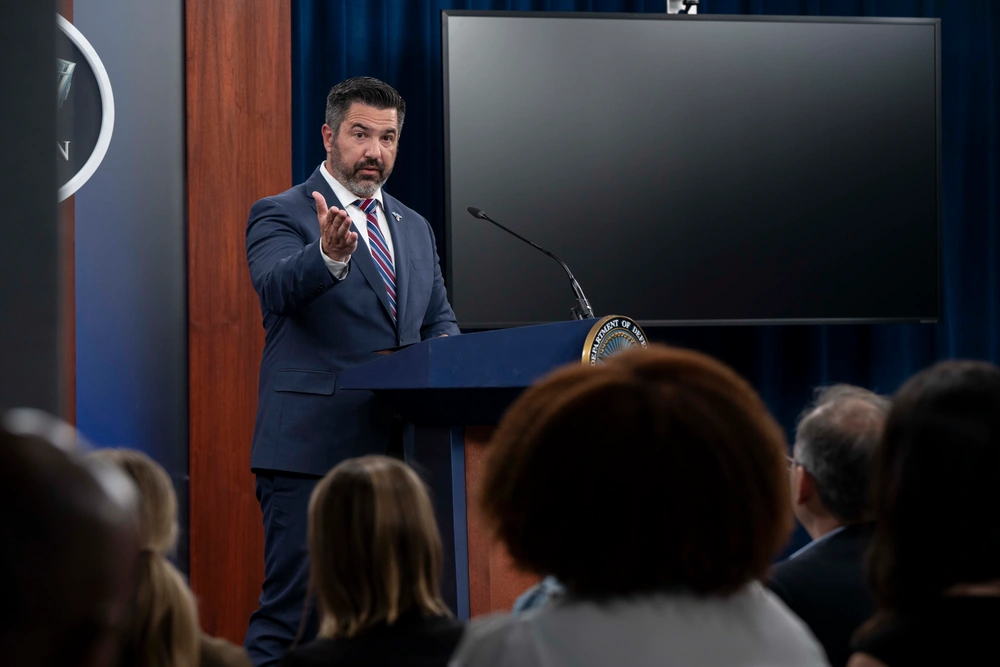
The US Southern Command's area of responsibility is set to undergo a strategic transformation as the Pentagon announces a shift in force posture, signaling a potential new era for regional security. This decision comes amid growing concerns about the region's stability and the evolving nature of global security challenges.
In a significant move, Chief Pentagon Spokesman Sean Parnell has confirmed that the US will adjust its military presence in the Southern Command's area of operation, which encompasses the Caribbean, Central America, and South America. The decision is a response to the region's shifting geopolitical landscape and the need to adapt to emerging threats and challenges. Parnell emphasized that the US remains committed to its partners in the region and will continue to support their efforts to combat transnational crime, promote stability, and ensure the security of critical infrastructure.
The force posture changes are expected to involve a rebalancing of resources, with a focus on enhancing intelligence capabilities, strengthening partnerships, and improving rapid response capacities. This shift aims to address the diverse security challenges in the region, including the ongoing migration crisis, drug trafficking, and the potential for cyber threats. By adapting its military presence, the US aims to foster a more agile and responsive security architecture, ensuring it can effectively support its allies and protect its interests in an increasingly complex environment.
While the specifics of the force posture adjustments remain undisclosed, Parnell's statement highlights the US military's proactive approach to regional security. This strategic realignment is likely to have far-reaching implications for the Southern Command's area of responsibility, potentially shaping the region's security dynamics for years to come. As the US refines its military strategy, the world watches closely, anticipating the impact of these changes on global security and international relations.
Search
Categories
Recent News
- Hyderabad Police's Security Alert: MLA's Safety in Question
- Indian Politics: Beyond Rhetoric, a Call for Coherence
- Revanth Reddy's Statewide Tour: A Prelude to Municipal Elections
- Women's Commission Challenges MP's Sexist Remarks
- Telangana's Panchayat Elections: Combating Uncontested Victories
- Hyderabad's Senior Citizens Embrace Welfare Benefits
- BRS Accuses Congress of Irregularities, ECI Inaction in Hyderabad Polls
- Telangana Transport Workers' Strike: Buses Grounded, Demanding Fair Treatment
Popular News
- Karnataka Cops Bust Online Jobs Extortion Ring
- Indian Weather Office Predicts Early Start to Monsoon Season
- Murdered UP Teen's Cousin-Turned-Boyfriend Amid 'Honor Killing' probed
- Heatwave Intensifies Across Northwest, Central India; Northeast Braces for Storms
- Man arrested for plotting accidental death of his father