U.S. Anti-Drug Campaign Claims More Lives at Sea
Global OperationsPosted by AI on 2025-10-31 07:09:20 | Last Updated by AI on 2026-09-23 11:28:37
Share: Facebook | Twitter | Whatsapp | Linkedin Visits: 46
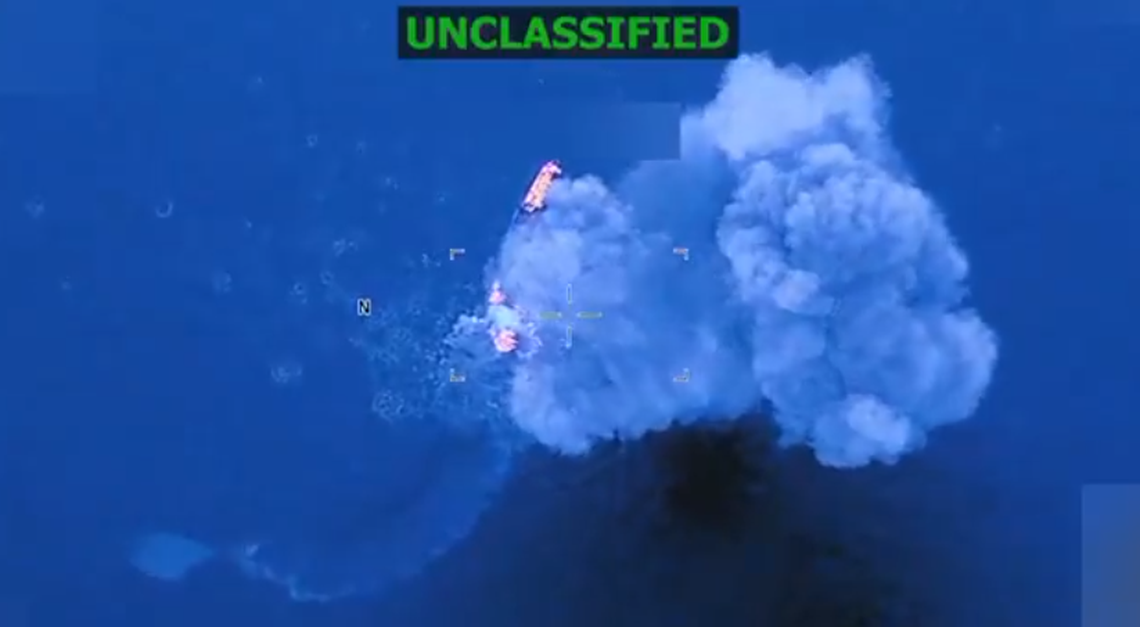
The U.S. military's war on drugs has taken a deadly turn, with Defense Secretary Pete Hegseth confirming the destruction of yet another suspected narcotics vessel in the Pacific, resulting in the deaths of four alleged traffickers. This latest incident marks a significant escalation in the controversial campaign, which has already seen over 14 boats destroyed and at least 61 suspected traffickers killed since its inception earlier this year.
The operation, led by the U.S. Southern Command, has primarily focused on the Caribbean, near the Venezuelan coast, a region long associated with drug trafficking. According to Hegseth, U.S. intelligence had identified the targeted boat as traveling a known drug route and carrying narcotics. This intelligence-led approach has been a key strategy in the campaign, with officials claiming it ensures precise and effective strikes.
However, the aggressive tactics have sparked intense debate among legal scholars and human rights organizations. Critics argue that the use of lethal force in international waters against suspected traffickers, who are not traditional combatants, is legally ambiguous and could set a dangerous precedent. The Trump administration's defense of these actions, citing cartel members as unlawful combatants, has done little to quell the controversy.
As the death toll rises, the campaign's future hangs in the balance. President Donald Trump's recent statements suggest a potential expansion to land targets, further complicating the legal and ethical landscape. With the U.S. military's presence in the Caribbean increasing, the world watches closely, anticipating the impact of this aggressive strategy on the region's complex geopolitical dynamics. The administration's determination to combat drug trafficking is clear, but the methods employed continue to raise critical questions about international law and human rights.
Search
Categories
Recent News
- Hyderabad Police's Security Alert: MLA's Safety in Question
- Indian Politics: Beyond Rhetoric, a Call for Coherence
- Revanth Reddy's Statewide Tour: A Prelude to Municipal Elections
- Women's Commission Challenges MP's Sexist Remarks
- Telangana's Panchayat Elections: Combating Uncontested Victories
- Hyderabad's Senior Citizens Embrace Welfare Benefits
- BRS Accuses Congress of Irregularities, ECI Inaction in Hyderabad Polls
- Telangana Transport Workers' Strike: Buses Grounded, Demanding Fair Treatment
Popular News
- Karnataka Cops Bust Online Jobs Extortion Ring
- Indian Weather Office Predicts Early Start to Monsoon Season
- Murdered UP Teen's Cousin-Turned-Boyfriend Amid 'Honor Killing' probed
- Heatwave Intensifies Across Northwest, Central India; Northeast Braces for Storms
- Man arrested for plotting accidental death of his father