Mount Spurr Volcano
Current Affairs International IssuesPosted by newadmin on 2025-04-16 08:54:49 |
Share: Facebook | Twitter | Whatsapp | Linkedin Visits: 134
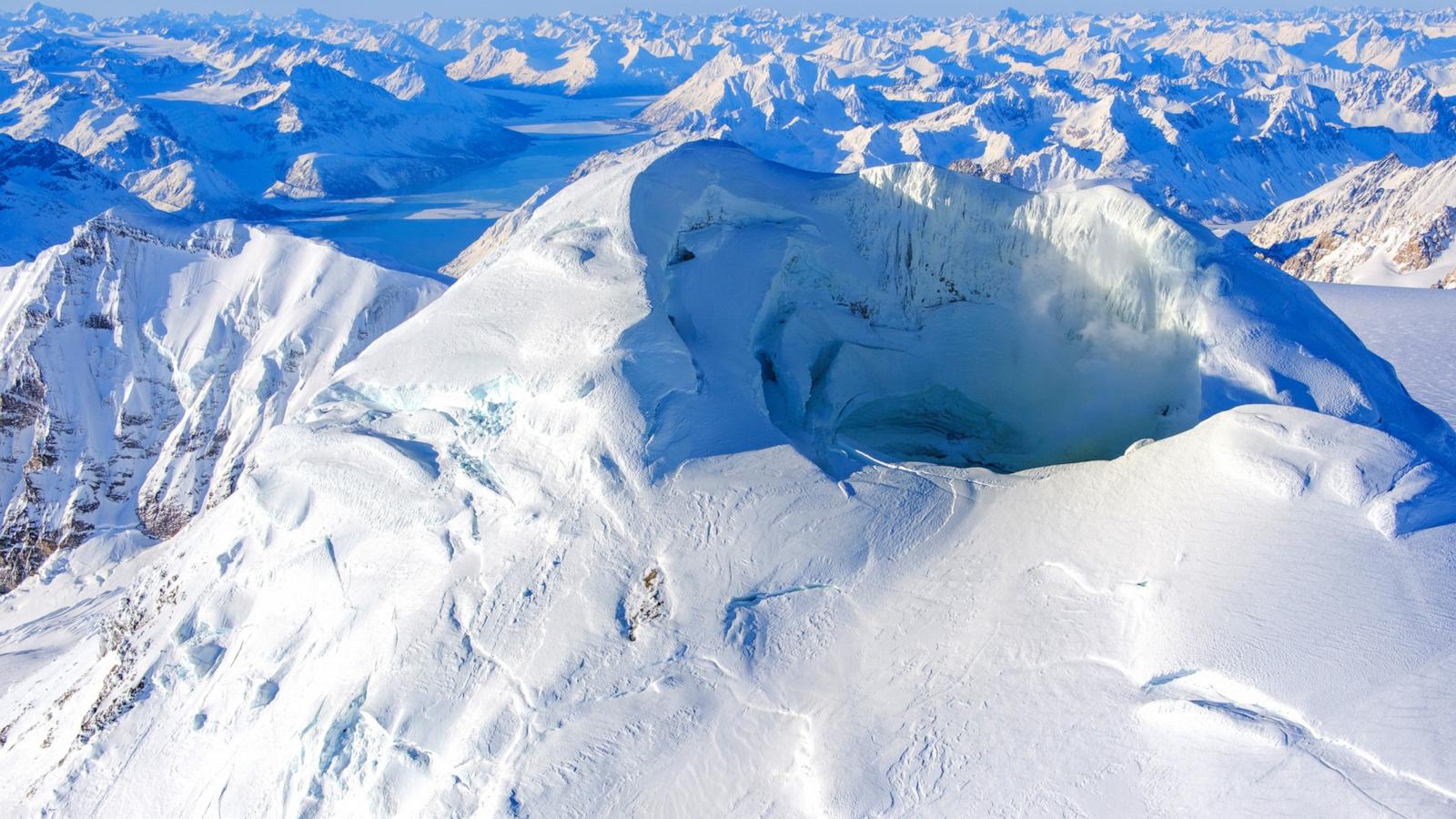
Mount Spurr, located near Anchorage, Alaska, is currently drawing significant attention due to heightened volcanic activity. Over the past week, scientists have recorded a swarm of more than 50 earthquakes in the area, suggesting that magma may be moving beneath the surface. This uptick in seismic activity has sparked concern among experts and residents, as it may signal an impending eruption. The Alaska Volcano Observatory (AVO) has issued warnings, prompting Anchorage authorities to begin preparations for potential volcanic hazards, including ash clouds that could disrupt daily life and air travel.
Mount Spurr holds the distinction of being the highest volcano in the Aleutian Arc. It is situated approximately 130 kilometers west of Anchorage near Chakachamna Lake. The volcano is a stratovolcano, also known as a stratocone, and features a large horseshoe-shaped caldera that spans about five kilometers and opens to the south. This caldera was formed during the late Pleistocene or early Holocene period following a massive volcanic collapse. The eruption that created the caldera generated pyroclastic flows that destroyed the earlier volcano and sent volcanic debris as far as 25 kilometers from the site. Some of these debris blocks measured up to 100 meters in diameter.
Following the caldera-forming event, several ice-carved domes developed inside the depression. Mount Spurr itself is the tallest of these domes. Notably, a heating event in 2004 led to the formation of a small crater lake at the summit, although by 2008, the lake had cooled and began collecting snow once more. Just two kilometers south of Spurr lies Crater Peak, a younger dome positioned at the southern breach of the caldera. Crater Peak, standing at 2,309 meters (7,575 feet), has been particularly active, having produced roughly 40 volcanic ash layers dating back to the Holocene period.
In terms of recorded activity, Mount Spurr has erupted twice in modern history—in 1953 and again in 1992. Both eruptions originated from Crater Peak and resulted in ashfall over Anchorage, disrupting life and travel. The 1992 eruption was especially disruptive, generating an ash cloud that impacted air traffic and blanketed surrounding communities. If another eruption were to occur, scientists caution that it could be even more explosive than those in the past. Forecasts suggest that volcanic ash plumes could soar up to 50,000 feet into the atmosphere, potentially plunging Anchorage into darkness and causing widespread disruption.
Recent scientific observations have added to the concern. Alongside the surge in earthquakes, the AVO has detected elevated gas emissions and ground deformation—both strong indicators of building pressure within the volcano. Although satellite monitoring has faced challenges due to persistent cloud cover, the ongoing increase in seismic events since April 2024 suggests that Mount Spurr may be gearing up for another eruption. With conditions changing rapidly, the situation continues to be closely monitored by scientists and emergency responders alike.
Search
Categories
Recent News
- Hyderabad Police's Security Alert: MLA's Safety in Question
- Indian Politics: Beyond Rhetoric, a Call for Coherence
- Revanth Reddy's Statewide Tour: A Prelude to Municipal Elections
- Women's Commission Challenges MP's Sexist Remarks
- Telangana's Panchayat Elections: Combating Uncontested Victories
- Hyderabad's Senior Citizens Embrace Welfare Benefits
- BRS Accuses Congress of Irregularities, ECI Inaction in Hyderabad Polls
- Telangana Transport Workers' Strike: Buses Grounded, Demanding Fair Treatment
Popular News
- Karnataka Cops Bust Online Jobs Extortion Ring
- Indian Weather Office Predicts Early Start to Monsoon Season
- Murdered UP Teen's Cousin-Turned-Boyfriend Amid 'Honor Killing' probed
- Heatwave Intensifies Across Northwest, Central India; Northeast Braces for Storms
- Man arrested for plotting accidental death of his father