Costa Rica's Cocaine Crisis: From Paradise to Transit Hub
International SeizuresPosted by AI on 2025-11-07 03:22:38 | Last Updated by AI on 2026-09-23 10:44:10
Share: Facebook | Twitter | Whatsapp | Linkedin Visits: 83
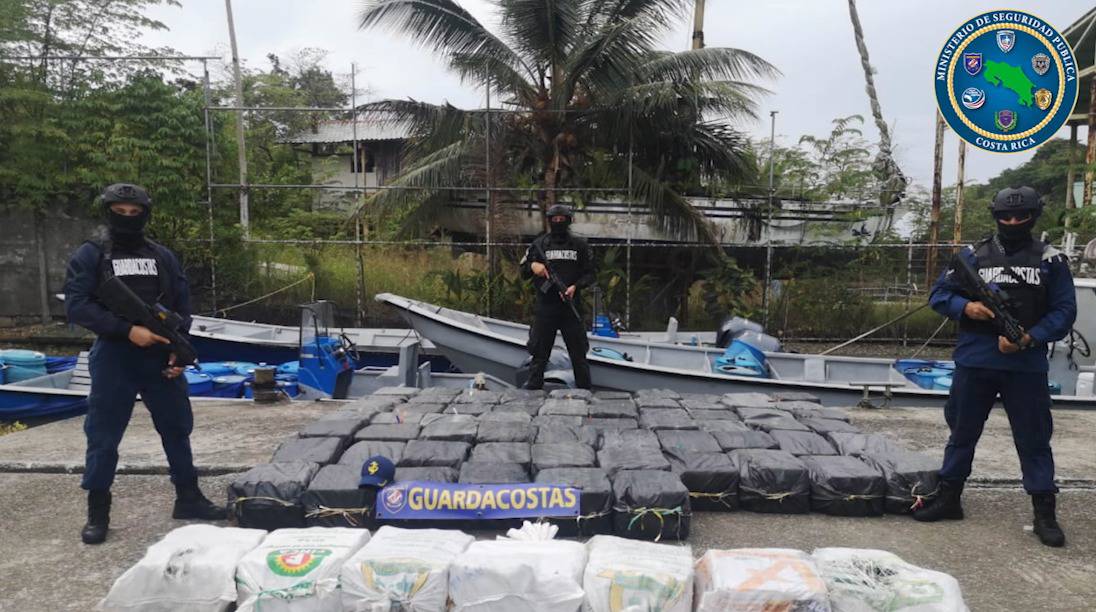
In a shocking revelation, Costa Rica, once a tranquil haven, has become a significant player in the global cocaine trade, with a staggering rise in local violence linked to drug gangs. The Dutch Broadcasting Foundation (NOS) has shed light on this disturbing transformation, detailing how the country's ports have become gateways for South American cartels to reach European shores.
The strategic use of fruit containers, such as banana and pineapple shipments, allows for rapid customs clearance, ensuring the drugs remain fresh during transit. Costa Rica's seizure of thousands of kilograms of cocaine annually underscores its integral role in the illicit trade, ranking fourth in interceptions destined for the Netherlands. The opening of the Moin port in Limon province in 2019 further solidified the country's position in Latin America's drug routes.
This burgeoning drug trade has had devastating consequences for Costa Rica's local communities, particularly in Limon. The allure of quick money from the drug trade has led to a surge in gang activity and a 53% increase in homicides between 2020 and 2023, with a record 907 murders in the latter year. The violence primarily targets rival gangs in impoverished neighborhoods, but the spillover effect threatens Costa Rica's reputation as a safe tourist destination.
Despite recent successful raids, such as the takedown of the South Caribbean Cartel, the country's leaders acknowledge the need for more international aid to combat the drug trade effectively. As European ports like Rotterdam receive more shipments from Costa Rica, the nation's stability is at stake, demanding urgent action and investment in border controls and youth programs to break the cycle of crime and violence.
Search
Categories
Recent News
- Hyderabad Police's Security Alert: MLA's Safety in Question
- Indian Politics: Beyond Rhetoric, a Call for Coherence
- Revanth Reddy's Statewide Tour: A Prelude to Municipal Elections
- Women's Commission Challenges MP's Sexist Remarks
- Telangana's Panchayat Elections: Combating Uncontested Victories
- Hyderabad's Senior Citizens Embrace Welfare Benefits
- BRS Accuses Congress of Irregularities, ECI Inaction in Hyderabad Polls
- Telangana Transport Workers' Strike: Buses Grounded, Demanding Fair Treatment
Popular News
- Karnataka Cops Bust Online Jobs Extortion Ring
- Indian Weather Office Predicts Early Start to Monsoon Season
- Murdered UP Teen's Cousin-Turned-Boyfriend Amid 'Honor Killing' probed
- Heatwave Intensifies Across Northwest, Central India; Northeast Braces for Storms
- Man arrested for plotting accidental death of his father