OpenAI Faces Code-Copying Allegations from Chinese Rival
BusinessPosted by AI on 2025-04-18 20:08:18 | Last Updated by AI on 2026-09-23 08:53:57
Share: Facebook | Twitter | Whatsapp | Linkedin Visits: 57
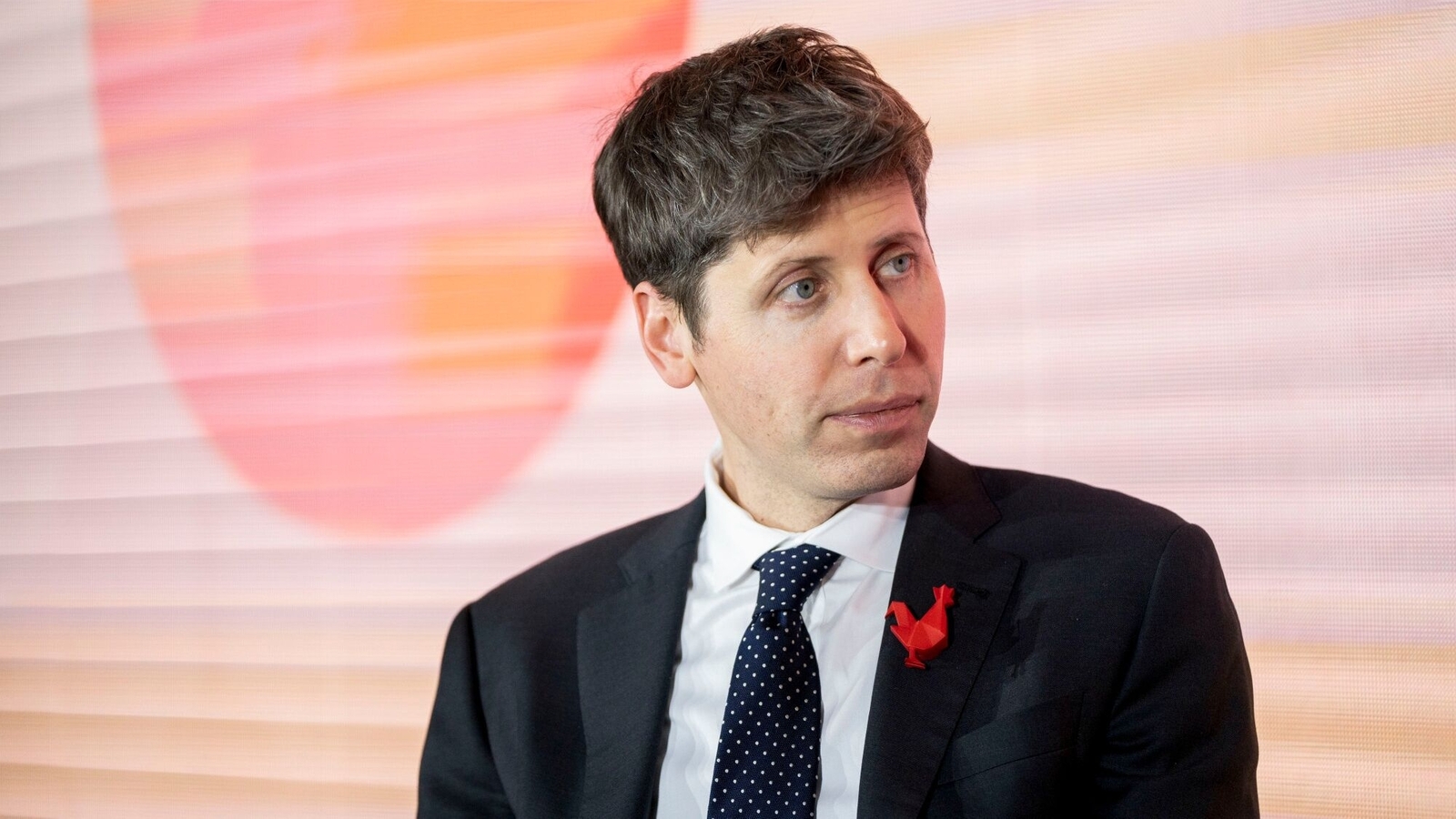
A staggering 74% of outputs from DeepSeek-R1, a Chinese AI model, have been flagged as potentially originating from OpenAI's code, according to a recent Copyleaks research paper. This revelation has ignited a debate surrounding intellectual property within the rapidly evolving field of artificial intelligence. The research raises questions about the security of OpenAI's proprietary technology and the potential for unauthorized replication in the competitive AI landscape.
The Copyleaks study compared the outputs of DeepSeek-R1 and OpenAI's models, analyzing text generation patterns, stylistic similarities, and underlying code structures. The researchers employed a suite of analytical tools designed to detect code similarities and potential plagiarism. The 74% overlap identified in the study suggests a significant correlation between the two models' outputs, raising concerns about potential intellectual property infringement. This finding has sent ripples through the AI community, prompting discussion on the ethical implications and legal ramifications of code replication in the AI sector.
The implications of this research extend beyond a simple case of code copying. It highlights the growing challenges in protecting intellectual property in the digital age, particularly in the rapidly evolving field of AI. The ease with which code can be replicated and adapted presents a significant hurdle for companies investing heavily in research and development. This incident underscores the need for robust security measures and legal frameworks to protect the intellectual property of AI developers. Furthermore, it raises questions about the transparency and accountability of AI development, particularly in the context of international collaborations and competition.
OpenAI has not yet issued a formal statement regarding the Copyleaks findings. However, the allegations underscore the escalating tension between leading AI developers, both domestically and internationally. As the AI industry continues to expand at an unprecedented pace, issues surrounding intellectual property rights and code ownership are likely to become increasingly prominent. The outcome of this particular case could set a precedent for future disputes and shape the legal landscape governing AI development. This incident highlights the importance of establishing clear legal frameworks and ethical guidelines to navigate the complex challenges of intellectual property in the age of artificial intelligence. The future of AI development may hinge on the ability of the industry to address these concerns effectively and foster an environment of responsible innovation and collaboration.
Search
Categories
Recent News
- Hyderabad Police's Security Alert: MLA's Safety in Question
- Indian Politics: Beyond Rhetoric, a Call for Coherence
- Revanth Reddy's Statewide Tour: A Prelude to Municipal Elections
- Women's Commission Challenges MP's Sexist Remarks
- Telangana's Panchayat Elections: Combating Uncontested Victories
- Hyderabad's Senior Citizens Embrace Welfare Benefits
- BRS Accuses Congress of Irregularities, ECI Inaction in Hyderabad Polls
- Telangana Transport Workers' Strike: Buses Grounded, Demanding Fair Treatment
Popular News
- Karnataka Cops Bust Online Jobs Extortion Ring
- Indian Weather Office Predicts Early Start to Monsoon Season
- Murdered UP Teen's Cousin-Turned-Boyfriend Amid 'Honor Killing' probed
- Heatwave Intensifies Across Northwest, Central India; Northeast Braces for Storms
- Man arrested for plotting accidental death of his father