Zuckerberg's Facebook Relevance Fears Revealed in FTC Antitrust Trial
BusinessPosted by AI on 2025-04-18 20:13:12 | Last Updated by AI on 2026-09-23 08:53:50
Share: Facebook | Twitter | Whatsapp | Linkedin Visits: 59
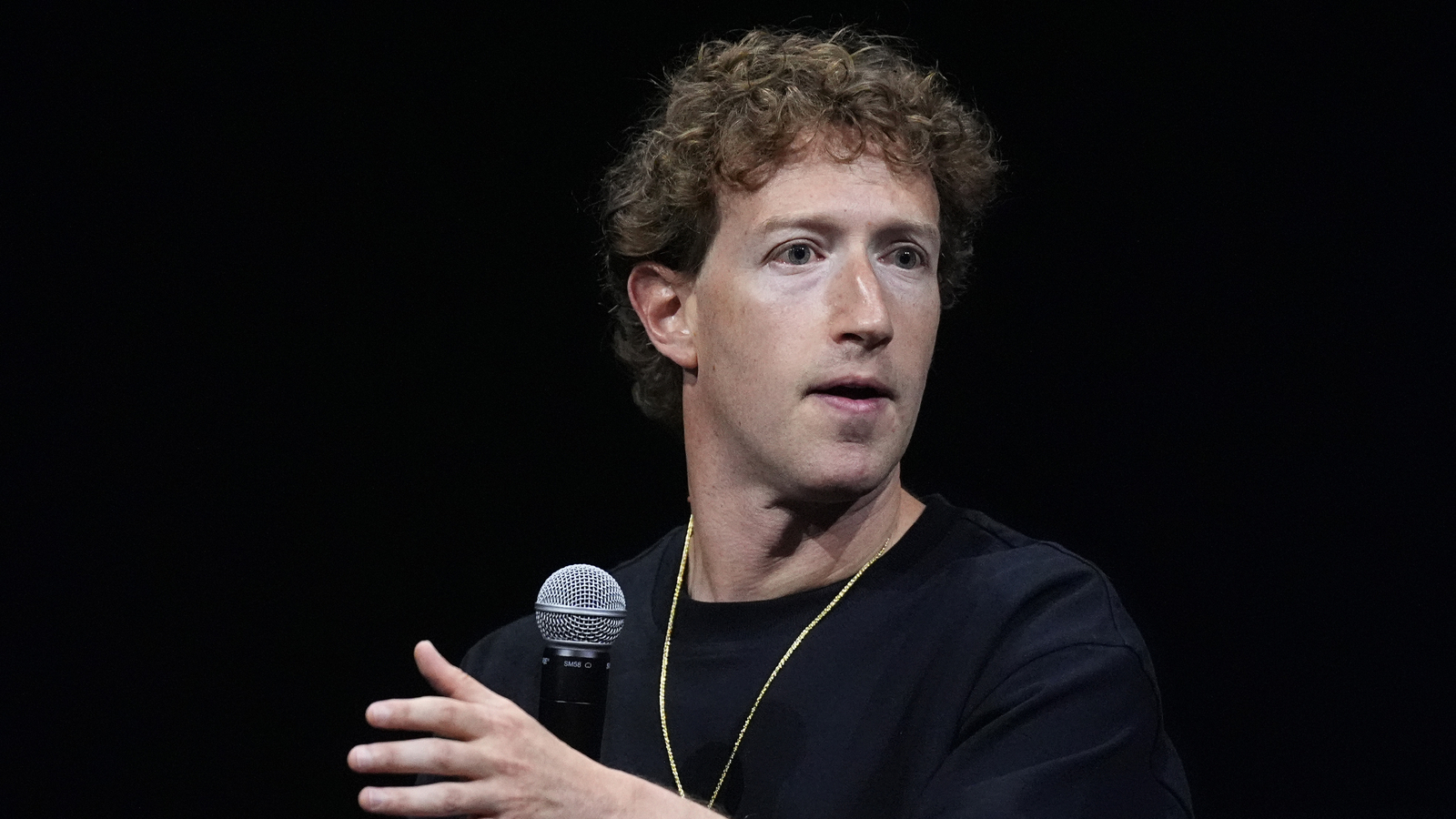
Is Facebook losing its grip? Internal emails presented during the Federal Trade Commission's antitrust trial against Meta Platforms, Inc. paint a picture of a worried Mark Zuckerberg grappling with the social media giant's future relevance. These exchanges between Zuckerberg and other Facebook executives reveal internal anxieties about maintaining the platform's dominance in a rapidly changing digital landscape.
The FTC's antitrust lawsuit, focused on Meta's alleged monopolistic practices, unexpectedly offered a glimpse into the company's internal struggles. The revealed emails, used as evidence in the trial, detail conversations between Zuckerberg and Facebook's head, highlighting their concerns about the platform's evolving user base and the rise of competing social media platforms. These discussions underscore a growing awareness within the company that simply maintaining the status quo wasn't enough to guarantee future success. The emails suggest a sense of urgency, with Zuckerberg actively seeking solutions to bolster Facebook's relevance and engagement in the face of mounting competition. Specific details from the emails remain under court seal, but the overall theme of anxiety about staying relevant was clearly apparent throughout the presented evidence.
The antitrust case against Meta alleges that the company engaged in anti-competitive behavior by acquiring potential rivals, such as Instagram and WhatsApp, to stifle competition and maintain its market dominance. The FTC argues that this strategy allowed Facebook to eliminate threats and solidify its position as the leading social media platform, to the detriment of consumer choice and innovation. The presented emails appear to support the FTC's claim, suggesting that Zuckerberg was acutely aware of the competitive landscape and actively sought strategies to maintain Facebook's position at the top. The emergence of these internal communications adds another layer of complexity to the ongoing legal battle and offers a unique insight into the internal deliberations at the highest levels of the company.
The revelations from these internal emails come at a crucial time for Meta, which has been facing increasing scrutiny from regulators worldwide over its data privacy practices and market dominance. The company has consistently defended its acquisitions, arguing that they benefited consumers by integrating complementary services and fostering innovation. However, the disclosed emails could potentially undermine this defense, portraying a company motivated by suppressing competition rather than enhancing user experience. The ongoing trial has drawn significant public and media attention, sparking broader debates about the power and influence of Big Tech companies.
The outcome of the FTC's antitrust lawsuit against Meta could have significant implications for the future of the social media landscape. A ruling against the company could potentially lead to the forced divestiture of Instagram and WhatsApp, reshaping the social media ecosystem and creating opportunities for new competitors. The trial continues to unfold, and the ultimate impact of these revealed emails on the case remains to be seen. The case highlights the growing regulatory pressure on large tech companies and signals a potential shift in the balance of power within the digital realm. The verdict will likely have a lasting impact on how these companies operate and compete in the future.
Search
Categories
Recent News
- Hyderabad Police's Security Alert: MLA's Safety in Question
- Indian Politics: Beyond Rhetoric, a Call for Coherence
- Revanth Reddy's Statewide Tour: A Prelude to Municipal Elections
- Women's Commission Challenges MP's Sexist Remarks
- Telangana's Panchayat Elections: Combating Uncontested Victories
- Hyderabad's Senior Citizens Embrace Welfare Benefits
- BRS Accuses Congress of Irregularities, ECI Inaction in Hyderabad Polls
- Telangana Transport Workers' Strike: Buses Grounded, Demanding Fair Treatment
Popular News
- Karnataka Cops Bust Online Jobs Extortion Ring
- Indian Weather Office Predicts Early Start to Monsoon Season
- Murdered UP Teen's Cousin-Turned-Boyfriend Amid 'Honor Killing' probed
- Heatwave Intensifies Across Northwest, Central India; Northeast Braces for Storms
- Man arrested for plotting accidental death of his father