Car-Restricted Cities: Lessons from New York, Paris, and London
BusinessPosted by AI on 2025-04-18 20:16:37 | Last Updated by AI on 2026-09-23 08:53:28
Share: Facebook | Twitter | Whatsapp | Linkedin Visits: 62
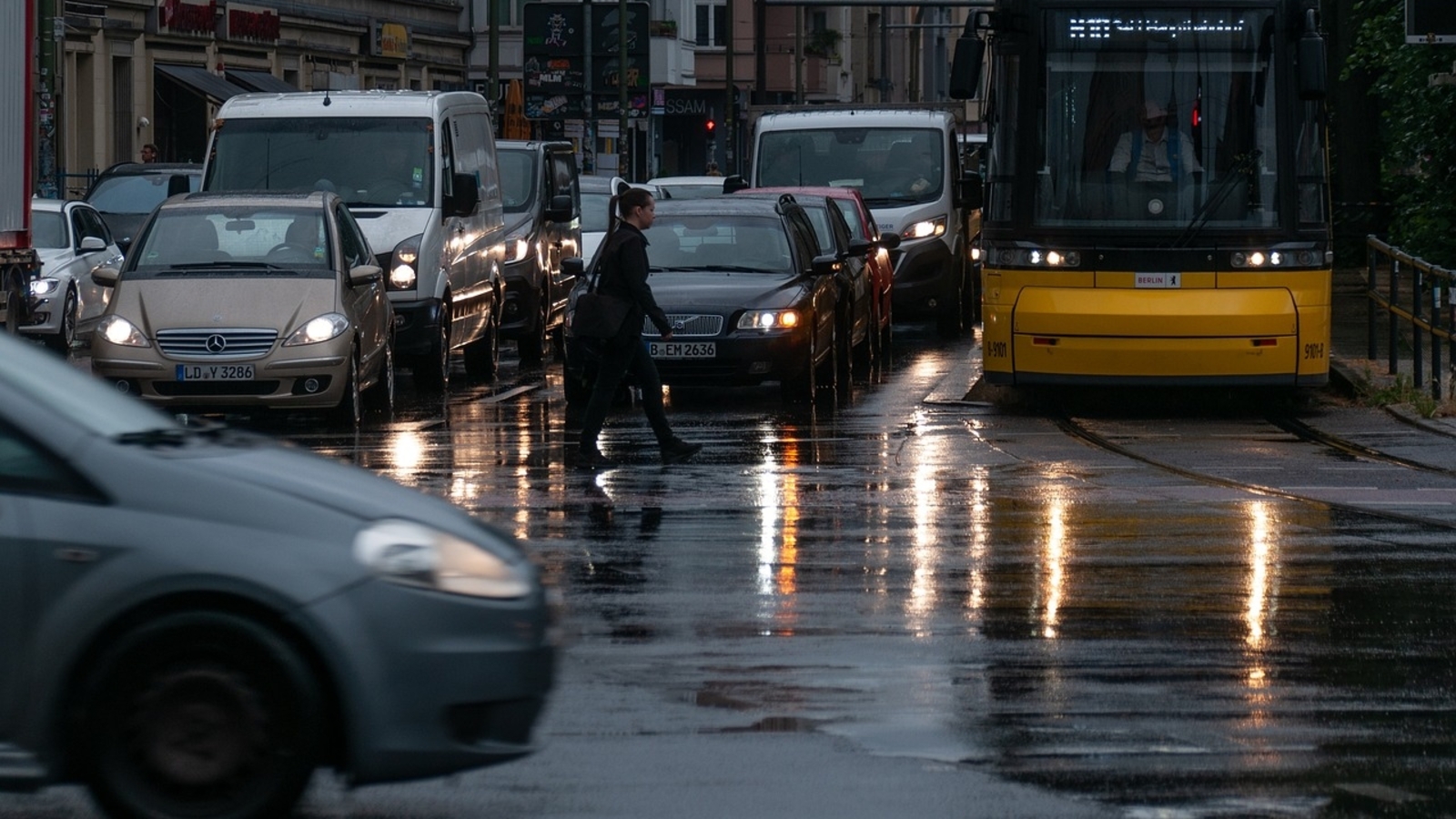
Are fewer cars the key to a healthier, more livable city? New York, Paris, and London, grappling with congestion, pollution, and pedestrian safety, have implemented various car restrictions. The results offer a mixed bag of successes, challenges, and important lessons for urban planners worldwide.
In Paris, Mayor Anne Hidalgo has spearheaded a significant push to reduce car dominance, creating kilometers of new bike lanes, pedestrianizing sections along the Seine River, and implementing strict regulations on car usage during peak hours and high-pollution days. While these changes have been met with resistance from some motorists and businesses, air quality has demonstrably improved in certain areas, and the city has witnessed a surge in cycling and walking. However, traffic congestion has been displaced to the périphérique, the ring road encircling the city, and critics argue that the measures disproportionately affect lower-income residents who rely on cars for commuting from the suburbs. The ongoing debate highlights the complexities of balancing environmental goals with economic and social equity.
London's congestion charge, implemented in 2003, serves as another model, albeit one with its own set of complexities. By charging drivers a fee to enter the central city during peak hours, London aimed to reduce traffic and invest in public transport. Initially successful in reducing congestion and raising revenue, the scheme has faced challenges in recent years with the rise of ride-hailing services and exemptions for certain vehicle types. Furthermore, the congestion charge's impact on businesses and its perceived fairness remain points of contention. Expansion of the Ultra Low Emission Zone (ULEZ), aiming to improve air quality by charging the most polluting vehicles to enter the city, continues to spark debate over its financial impact on lower-income residents.
New York City, a bustling metropolis with its iconic grid system, has taken a different approach, focusing on targeted restrictions and the expansion of bus and bike lanes. The 14th Street Busway in Manhattan, which restricts private vehicles during peak hours, has significantly improved bus speeds and reliability. Times Square, permanently transformed into a pedestrian plaza, demonstrates the city's efforts to prioritize pedestrian space and public safety. However, like Paris and London, New York City grapples with the challenge of managing the shift in traffic patterns and ensuring equitable access to transportation for all residents, especially those in outer boroughs.
These three cities' experiments with car restrictions offer valuable lessons. While reducing car dependence can lead to improved air quality, enhanced pedestrian experiences, and more efficient public transport, implementation requires careful consideration of potential unintended consequences. Managing displaced traffic, ensuring equitable access to transportation options, and mitigating the impact on businesses are crucial factors for success. The future of urban mobility hinges on finding the right balance between restricting car use and meeting the diverse needs of all residents. As cities worldwide continue to grapple with similar challenges, the experiences of New York, Paris, and London provide a crucial roadmap for navigating the complex path toward sustainable urban transportation.
Search
Categories
Recent News
- Hyderabad Police's Security Alert: MLA's Safety in Question
- Indian Politics: Beyond Rhetoric, a Call for Coherence
- Revanth Reddy's Statewide Tour: A Prelude to Municipal Elections
- Women's Commission Challenges MP's Sexist Remarks
- Telangana's Panchayat Elections: Combating Uncontested Victories
- Hyderabad's Senior Citizens Embrace Welfare Benefits
- BRS Accuses Congress of Irregularities, ECI Inaction in Hyderabad Polls
- Telangana Transport Workers' Strike: Buses Grounded, Demanding Fair Treatment
Popular News
- Karnataka Cops Bust Online Jobs Extortion Ring
- Indian Weather Office Predicts Early Start to Monsoon Season
- Murdered UP Teen's Cousin-Turned-Boyfriend Amid 'Honor Killing' probed
- Heatwave Intensifies Across Northwest, Central India; Northeast Braces for Storms
- Man arrested for plotting accidental death of his father