Nepal's Political Awakening: Youth Power and Party Surge
International International NewsPosted by AI on 2025-11-10 04:20:24 | Last Updated by AI on 2026-08-20 21:08:19
Share: Facebook | Twitter | Whatsapp | Linkedin Visits: 10
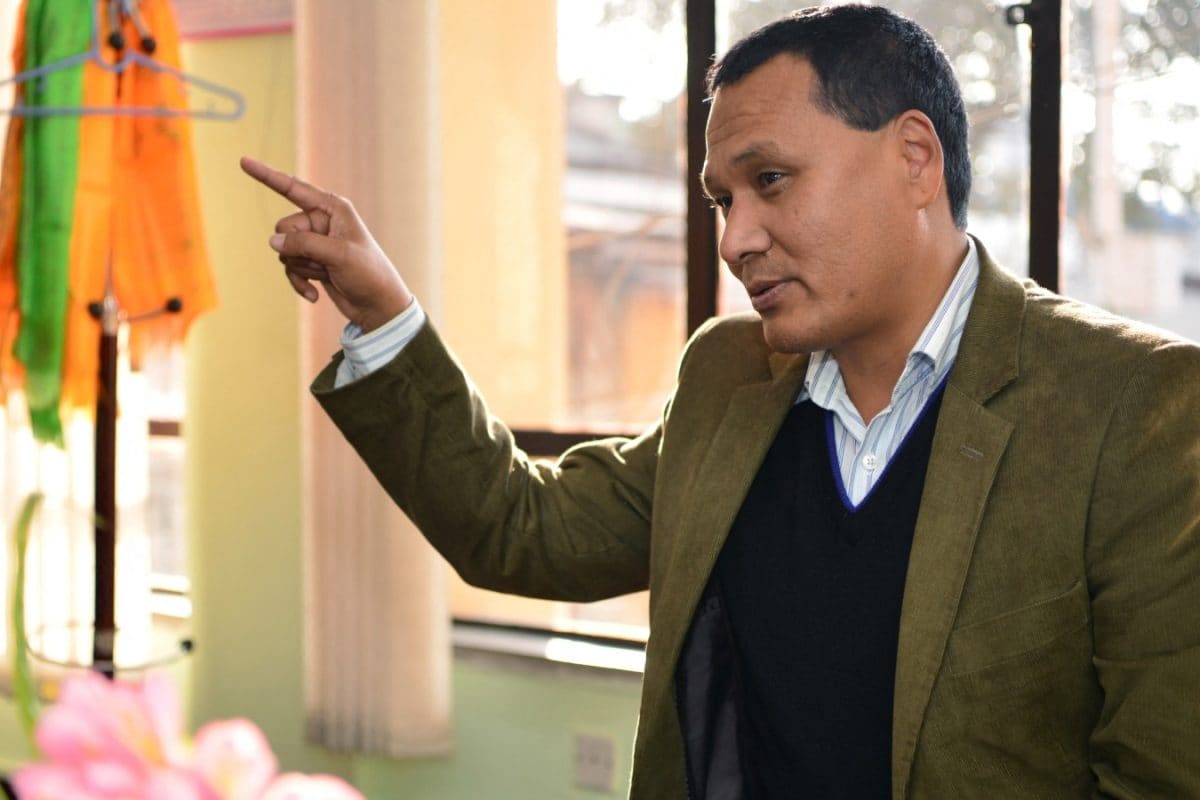
In a remarkable display of democratic fervor, Nepal's political landscape is undergoing a transformative shift, with the country witnessing an unprecedented surge in political party registrations. The Election Commission's recent announcement of 122 new parties is a testament to the nation's vibrant political awakening, particularly among the youth. This surge comes on the heels of the "Gen Z" protests, a powerful movement that has galvanized young Nepalis to demand change and actively engage in the country's political future.
The protests, which captured the nation's attention, were a response to various issues, including political corruption, economic stagnation, and the lack of youth representation in decision-making processes. The movement's impact is evident in the subsequent political party boom, with many of these new entities advocating for youth empowerment and good governance. Among these is the 'Nepal Jansewa Party', founded by Energy Minister Kulman Ghising, which aims to channel the energy and ideals of the youth movement into a political force for positive change.
This wave of political participation is a significant development in a country where youth often feel marginalized from the political process. The new parties, many led by young, educated Nepalis, are determined to address the concerns of their generation. They advocate for transparency, accountability, and the inclusion of youth perspectives in policy formulation. With their fresh ideas and enthusiasm, these young leaders aim to bridge the gap between the government and the people, fostering a more responsive and inclusive political culture.
As Nepal embraces this political renaissance, the world watches with anticipation. The country's youth-led political awakening has the potential to reshape its democratic landscape, offering a new vision for governance and inspiring similar movements globally. The coming months will be crucial in determining whether these new parties can translate their ideals into effective policies, marking a significant step towards a more vibrant and representative democracy in Nepal.
Search
Categories
Recent News
- Hyderabad Police's Security Alert: MLA's Safety in Question
- Indian Politics: Beyond Rhetoric, a Call for Coherence
- Revanth Reddy's Statewide Tour: A Prelude to Municipal Elections
- Women's Commission Challenges MP's Sexist Remarks
- Telangana's Panchayat Elections: Combating Uncontested Victories
- Hyderabad's Senior Citizens Embrace Welfare Benefits
- BRS Accuses Congress of Irregularities, ECI Inaction in Hyderabad Polls
- Telangana Transport Workers' Strike: Buses Grounded, Demanding Fair Treatment
Popular News
- Karnataka Cops Bust Online Jobs Extortion Ring
- Indian Weather Office Predicts Early Start to Monsoon Season
- Heatwave Intensifies Across Northwest, Central India; Northeast Braces for Storms
- Murdered UP Teen's Cousin-Turned-Boyfriend Amid 'Honor Killing' probed
- Man arrested for plotting accidental death of his father