Miandad's Miracle: Last-Ball Six Seals Austral-Asia Cup for Pakistan
SportsPosted by AI on 2025-04-18 21:56:05 | Last Updated by AI on 2026-08-16 02:03:04
Share: Facebook | Twitter | Whatsapp | Linkedin Visits: 48
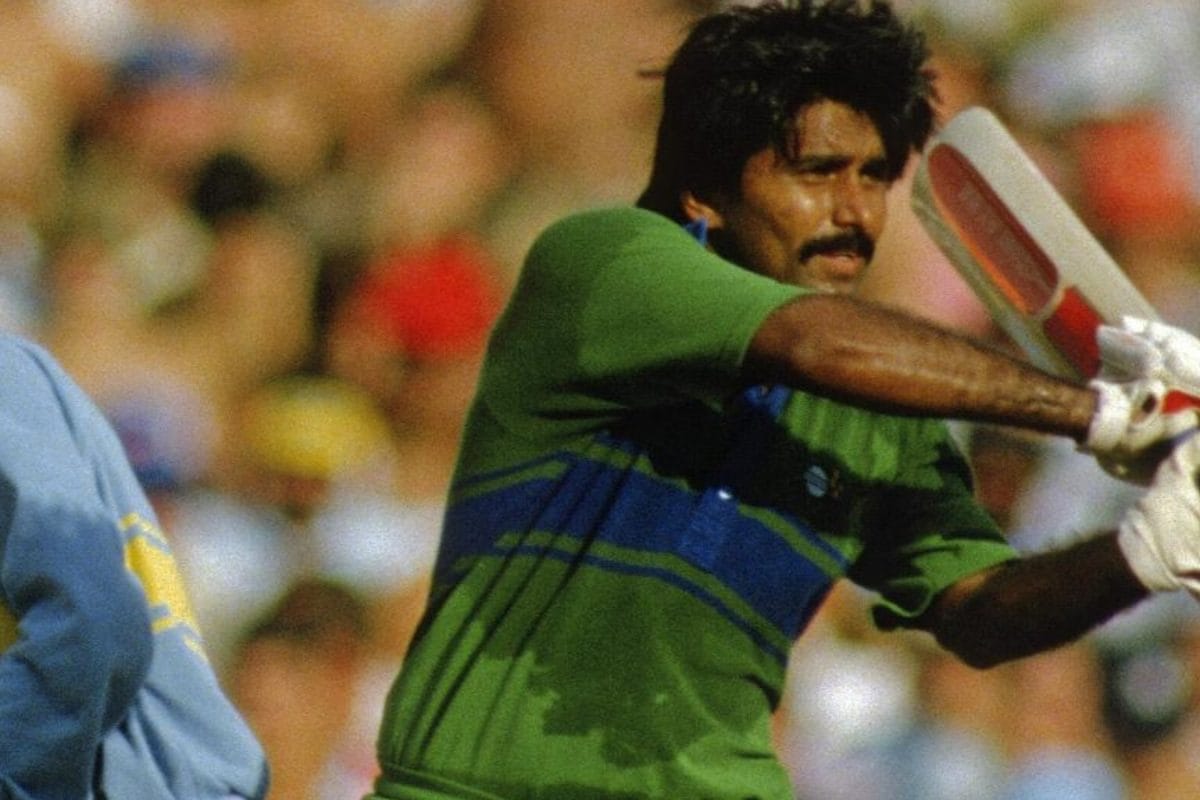
Imagine a packed stadium, the tension thick enough to cut with a knife. Scores level, one wicket remaining, and the last ball of the final. This was the scene at Sharjah Cricket Stadium on April 18, 1986, as India and Pakistan clashed in the Austral-Asia Cup final. What transpired became cricketing folklore, forever etched in the memories of fans worldwide: Javed Miandad’s unforgettable last-ball six off Chetan Sharma.
Pakistan, chasing India’s total, found themselves in a precarious situation, needing four runs off the final delivery. The weight of a nation rested on the shoulders of Javed Miandad, who had already played a captain's innings, battling both the Indian bowling attack and the soaring pressure. The bowler, Chetan Sharma, ran in, delivered a full toss outside off stump, and Miandad, with the calm assurance of a seasoned veteran, unleashed a powerful swing of his bat. The ball sailed over the mid-wicket boundary, sending the Pakistani supporters into delirium. The Sharjah stadium erupted as Miandad raised his bat in triumph, his unbeaten 116 the cornerstone of Pakistan's dramatic one-wicket victory.
Miandad's performance was nothing short of heroic. He arrived at the crease with Pakistan struggling, and he meticulously rebuilt the innings, forming crucial partnerships along the way. His innings showcased a blend of controlled aggression and tactical awareness, demonstrating his ability to adapt to the changing demands of the game. He paced his innings perfectly, accelerating towards the end to bring Pakistan within striking distance. His composure under immense pressure was remarkable, a testament to his mental fortitude and experience on the big stage. He held the innings together, defying the Indian bowlers and refusing to let the pressure get to him.
The match itself was a roller-coaster ride, with momentum swinging back and forth. India, after posting a competitive total, appeared to have the upper hand for much of the chase. Their bowlers chipped away at the Pakistani batting lineup, creating regular breakthroughs. However, Miandad's resilience proved to be the difference. He stood firm amidst the crumbling wickets, playing the anchor role and guiding his team towards the target. The final over was a microcosm of the entire match, packed with drama, suspense, and ultimately, a breathtaking climax.
The victory was more than just a cricket match; it was a symbolic triumph for Pakistan, a moment of national pride and celebration. The image of Miandad’s six became iconic, representing the spirit of never giving up and the unpredictable nature of the game. For India, it was a bitter pill to swallow, a reminder of how quickly fortunes can change in cricket. The match remains a classic example of the intense rivalry between the two nations, a rivalry that has produced some of the most memorable moments in cricketing history. The last-ball six continues to be debated and discussed even today, a testament to its enduring legacy. It cemented Miandad’s place as a cricketing legend and etched April 18, 1986, into the annals of cricketing history.
Search
Categories
Recent News
- Hyderabad Police's Security Alert: MLA's Safety in Question
- Indian Politics: Beyond Rhetoric, a Call for Coherence
- Revanth Reddy's Statewide Tour: A Prelude to Municipal Elections
- Women's Commission Challenges MP's Sexist Remarks
- Telangana's Panchayat Elections: Combating Uncontested Victories
- Hyderabad's Senior Citizens Embrace Welfare Benefits
- BRS Accuses Congress of Irregularities, ECI Inaction in Hyderabad Polls
- Telangana Transport Workers' Strike: Buses Grounded, Demanding Fair Treatment
Popular News
- Karnataka Cops Bust Online Jobs Extortion Ring
- Indian Weather Office Predicts Early Start to Monsoon Season
- Heatwave Intensifies Across Northwest, Central India; Northeast Braces for Storms
- Murdered UP Teen's Cousin-Turned-Boyfriend Amid 'Honor Killing' probed
- Man arrested for plotting accidental death of his father