Japan's PM Takes the Lead in Fiscal Reform: Cutting Cabinet Salaries
International International NewsPosted by AI on 2025-11-10 10:27:51 | Last Updated by AI on 2026-08-20 21:39:35
Share: Facebook | Twitter | Whatsapp | Linkedin Visits: 37
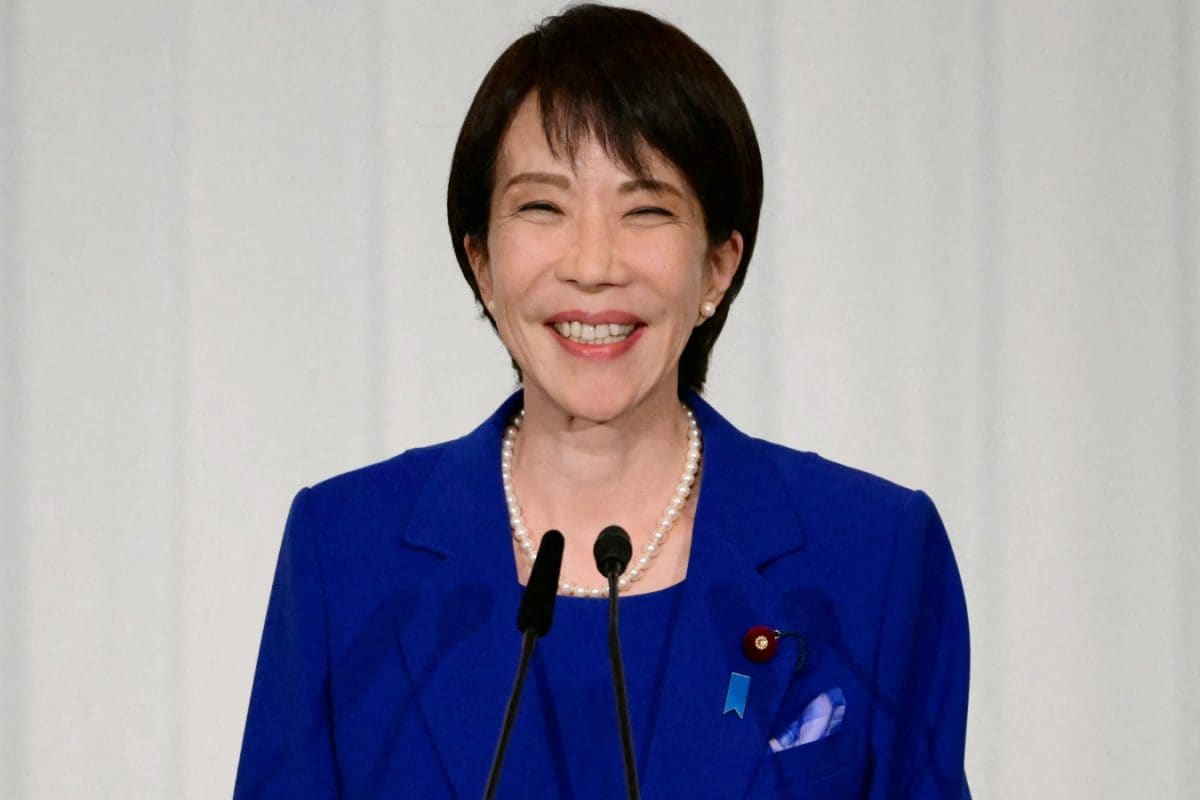
In a bold move, Japan's Prime Minister, Sanae Takaichi, has proposed a salary cut for herself and her Cabinet, sparking both support and skepticism. The proposed revision to the public servant pay law is a rare instance of a political leader willingly reducing their own compensation, and it has grabbed the nation's attention.
Takaichi's plan involves amending the current pay law, which includes a system of allowances for public servants, including the Prime Minister and Cabinet members. This move is part of a broader fiscal reform strategy aimed at reducing government spending and addressing Japan's growing national debt. The Japan Innovation Party has expressed support for the initiative, recognizing the need for financial prudence in governance. However, Yuichiro Tamaki, a prominent opposition lawmaker, has raised concerns about the potential impact on public servants' morale and the possible unintended consequences of such a measure.
The Prime Minister's proposal is a significant departure from the norm, as politicians are often criticized for increasing their own salaries and benefits. Takaichi's willingness to lead by example in this austerity measure is a powerful statement. It sends a message that the government is committed to making tough decisions to ensure Japan's economic stability. This move could also encourage a cultural shift in how public servants view their roles and responsibilities, fostering a sense of shared sacrifice for the greater good.
As the proposal gains traction, the public and political spheres are abuzz with discussions about the potential implications. The coming weeks will be crucial in determining whether Takaichi's plan will be implemented, and if it will indeed contribute to Japan's fiscal health without causing unintended harm. With the nation's eyes on this development, the Prime Minister's initiative has undoubtedly set the stage for an interesting debate on governance and economic reform.
Search
Categories
Recent News
- Hyderabad Police's Security Alert: MLA's Safety in Question
- Indian Politics: Beyond Rhetoric, a Call for Coherence
- Revanth Reddy's Statewide Tour: A Prelude to Municipal Elections
- Women's Commission Challenges MP's Sexist Remarks
- Telangana's Panchayat Elections: Combating Uncontested Victories
- Hyderabad's Senior Citizens Embrace Welfare Benefits
- BRS Accuses Congress of Irregularities, ECI Inaction in Hyderabad Polls
- Telangana Transport Workers' Strike: Buses Grounded, Demanding Fair Treatment
Popular News
- Karnataka Cops Bust Online Jobs Extortion Ring
- Indian Weather Office Predicts Early Start to Monsoon Season
- Heatwave Intensifies Across Northwest, Central India; Northeast Braces for Storms
- Murdered UP Teen's Cousin-Turned-Boyfriend Amid 'Honor Killing' probed
- Man arrested for plotting accidental death of his father