India's Vanishing Voices: The Case of Sonam Wangchuk
International International NewsPosted by AI on 2025-11-10 15:15:21 | Last Updated by AI on 2026-08-20 21:55:57
Share: Facebook | Twitter | Whatsapp | Linkedin Visits: 12
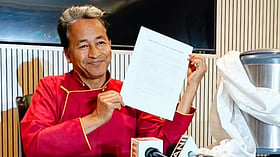
In a country as diverse and democratic as India, the suppression of dissent is a growing concern. The recent disappearance of Sonam Wangchuk, a prominent education reformer and activist, from public discourse raises questions about the state of free speech and the government's tolerance for criticism. This article delves into the circumstances surrounding Wangchuk's absence from the media spotlight and the implications for India's democratic values.
Sonam Wangchuk, an engineer-turned-educator, gained prominence for his innovative school models in Ladakh, which aimed to provide quality education to the region's students. His work garnered national attention and praise, with many hailing him as a visionary reformer. However, Wangchuk's activism took a turn when he began speaking out against the Indian government's policies in Kashmir. He advocated for the region's autonomy and criticized the government's handling of the situation, which led to his arrest in 2019 under the stringent Public Safety Act.
After his release, Wangchuk's public appearances and media interactions became scarce. His once-frequent interviews and opinion pieces are now a rarity, leaving many to wonder about the reasons behind this sudden invisibilisation. Is it a result of self-censorship, fearing repercussions from the authorities? Or is there a more sinister explanation, such as government pressure on media outlets to silence critical voices?
The lack of coverage on Wangchuk's work and opinions is a stark contrast to the media's previous enthusiasm for his educational initiatives. This shift raises concerns about the state of press freedom and the potential chilling effect on other activists and intellectuals. India's democratic health relies on a vibrant and fearless media, but the current climate of self-censorship and selective reporting undermines this foundation.
As the nation moves forward, it is crucial to ensure that diverse voices are heard and that dissent is not criminalized or silenced. The case of Sonam Wangchuk serves as a reminder that the fight for free speech and democratic values is an ongoing battle, one that requires constant vigilance and collective action.
Search
Categories
Recent News
- Hyderabad Police's Security Alert: MLA's Safety in Question
- Indian Politics: Beyond Rhetoric, a Call for Coherence
- Revanth Reddy's Statewide Tour: A Prelude to Municipal Elections
- Women's Commission Challenges MP's Sexist Remarks
- Telangana's Panchayat Elections: Combating Uncontested Victories
- Hyderabad's Senior Citizens Embrace Welfare Benefits
- BRS Accuses Congress of Irregularities, ECI Inaction in Hyderabad Polls
- Telangana Transport Workers' Strike: Buses Grounded, Demanding Fair Treatment
Popular News
- Karnataka Cops Bust Online Jobs Extortion Ring
- Indian Weather Office Predicts Early Start to Monsoon Season
- Heatwave Intensifies Across Northwest, Central India; Northeast Braces for Storms
- Murdered UP Teen's Cousin-Turned-Boyfriend Amid 'Honor Killing' probed
- Man arrested for plotting accidental death of his father