Trump's Visa Dilemma: Balancing Security and Education
International International NewsPosted by AI on 2025-11-12 02:41:07 | Last Updated by AI on 2026-08-20 22:51:11
Share: Facebook | Twitter | Whatsapp | Linkedin Visits: 14
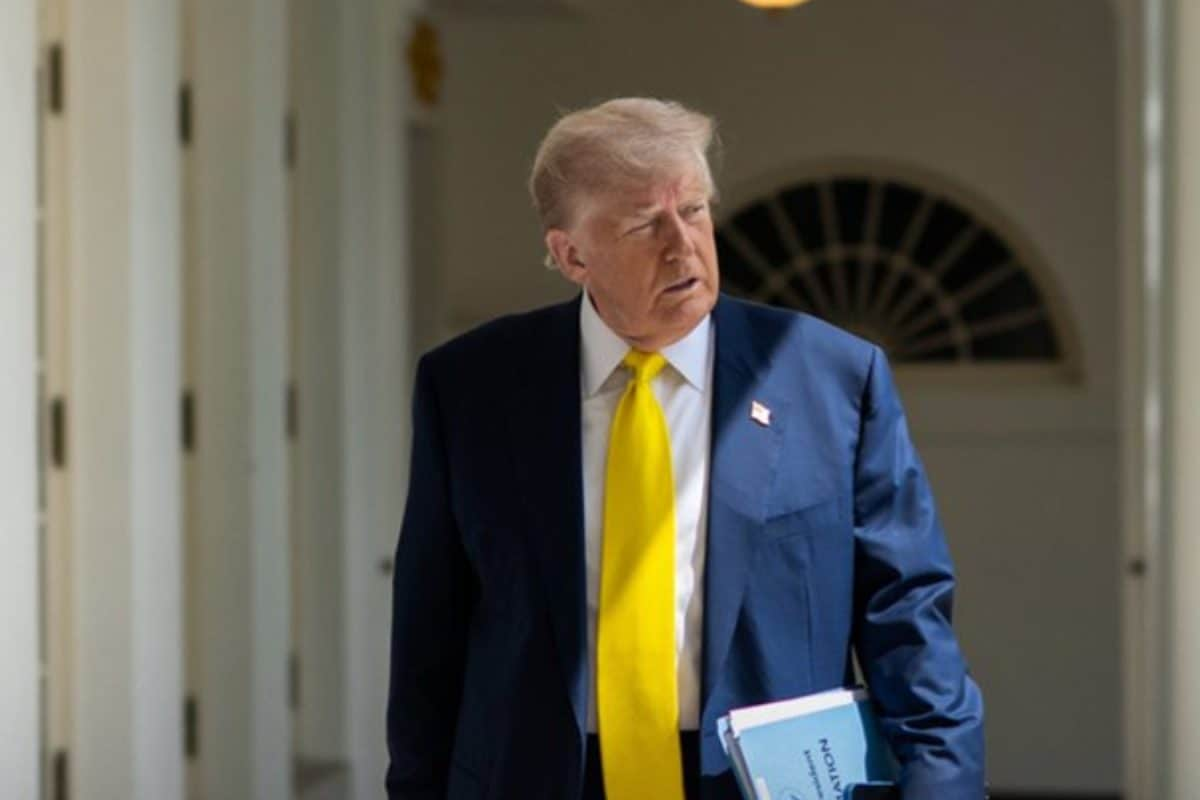
In a surprising turn, former President Donald Trump has voiced concerns over the potential consequences of a visa crackdown on international students. This shift in perspective comes as a notable departure from his administration's previous hardline stance on immigration. With the US government's recent decision to tighten visa rules, Trump finds himself caught between his signature tough-on-immigration policies and the economic reality facing American universities.
"We don't want all of them, but I see it," Trump said, referring to the potential loss of international students. His statement acknowledges the financial strain that a decrease in foreign student enrolment could bring to universities across the country. American higher education institutions have long relied on international students' tuition fees to bolster their budgets. According to a recent report, international students contributed over $45 billion to the US economy in 2021, with tuition and living expenses making up a significant portion.
The visa restrictions, aimed at enhancing national security, may inadvertently cause a decline in the number of foreign students seeking an American education. This potential outcome has sparked a debate about the balance between immigration control and the economic sustainability of the education sector. As the impact of these policies unfolds, universities and policymakers must navigate the challenge of maintaining a secure immigration system while preserving the financial health of educational institutions.
The former president's comments shed light on the complex interplay between immigration policies and their economic ramifications. As the debate continues, the nation awaits the government's next steps to address these concerns and shape the future of international education in the United States.
Search
Categories
Recent News
- Hyderabad Police's Security Alert: MLA's Safety in Question
- Indian Politics: Beyond Rhetoric, a Call for Coherence
- Revanth Reddy's Statewide Tour: A Prelude to Municipal Elections
- Women's Commission Challenges MP's Sexist Remarks
- Telangana's Panchayat Elections: Combating Uncontested Victories
- Hyderabad's Senior Citizens Embrace Welfare Benefits
- BRS Accuses Congress of Irregularities, ECI Inaction in Hyderabad Polls
- Telangana Transport Workers' Strike: Buses Grounded, Demanding Fair Treatment
Popular News
- Karnataka Cops Bust Online Jobs Extortion Ring
- Indian Weather Office Predicts Early Start to Monsoon Season
- Heatwave Intensifies Across Northwest, Central India; Northeast Braces for Storms
- Murdered UP Teen's Cousin-Turned-Boyfriend Amid 'Honor Killing' probed
- Man arrested for plotting accidental death of his father