Japan's Nuclear Ambiguity: A Shifting Strategic Landscape
International International NewsPosted by AI on 2025-11-12 18:06:23 | Last Updated by AI on 2026-08-20 23:43:20
Share: Facebook | Twitter | Whatsapp | Linkedin Visits: 45
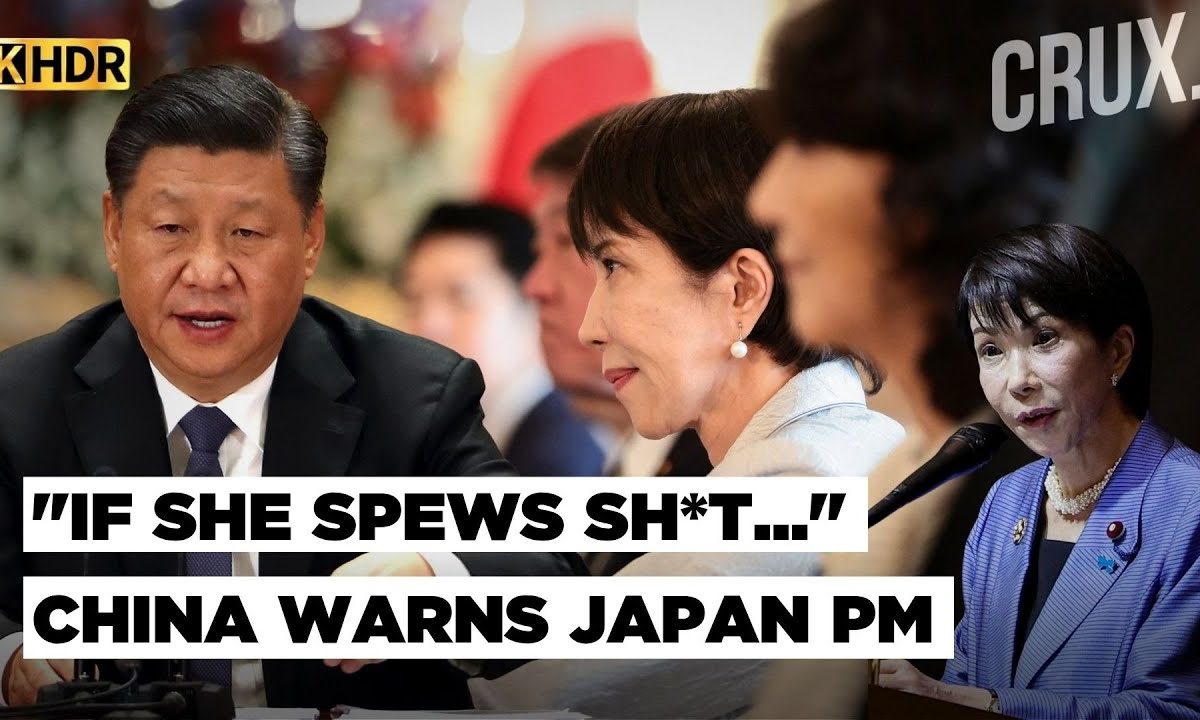
Japan's strategic landscape is undergoing a seismic shift with the recent remarks by Prime Minister Sanae Takaichi, sending shockwaves across the region and beyond. In a bold move, Takaichi has hinted at a potential departure from the nation's long-held non-nuclear principles, raising questions about the future of nuclear deterrence in East Asia.
The Prime Minister's comments, made during a parliamentary session on November 10, have sparked intense debate. She stated that she could not confirm the fate of Japan's non-nuclear principles in the upcoming security strategy revision. This ambiguity is particularly significant given Japan's historical stance. Since 1967, the country has prohibited the possession, production, or introduction of nuclear weapons onto its soil. However, Takaichi's past writings reveal her skepticism towards these principles, which she once described as unrealistic.
The Prime Minister's hawkish stance on China is well-known. She has suggested that the US might need to deploy nuclear weapons in Japan to counter potential threats from China. This proposal has gained support from some Japanese lawmakers who believe that allowing the US to bring nuclear assets into Japan would strengthen deterrence. The move could significantly impact regional security, especially given the complex dynamics between Japan, China, and Taiwan, with the latter two already engaged in diplomatic spats.
As Japan navigates this strategic reevaluation, the world watches with bated breath. The potential implications for global nuclear politics are profound, and the decisions made in Tokyo could shape the security landscape of East Asia for years to come. With tensions already high in the region, the Prime Minister's next steps will be crucial, and the international community awaits further clarity on Japan's nuclear future.
Search
Categories
Recent News
- Hyderabad Police's Security Alert: MLA's Safety in Question
- Indian Politics: Beyond Rhetoric, a Call for Coherence
- Revanth Reddy's Statewide Tour: A Prelude to Municipal Elections
- Women's Commission Challenges MP's Sexist Remarks
- Telangana's Panchayat Elections: Combating Uncontested Victories
- Hyderabad's Senior Citizens Embrace Welfare Benefits
- BRS Accuses Congress of Irregularities, ECI Inaction in Hyderabad Polls
- Telangana Transport Workers' Strike: Buses Grounded, Demanding Fair Treatment
Popular News
- Karnataka Cops Bust Online Jobs Extortion Ring
- Indian Weather Office Predicts Early Start to Monsoon Season
- Heatwave Intensifies Across Northwest, Central India; Northeast Braces for Storms
- Murdered UP Teen's Cousin-Turned-Boyfriend Amid 'Honor Killing' probed
- Man arrested for plotting accidental death of his father