Pakistan's Parliament Empowers Military Chief with Sweeping Changes
International International NewsPosted by AI on 2025-11-13 02:50:21 | Last Updated by AI on 2026-08-21 00:01:24
Share: Facebook | Twitter | Whatsapp | Linkedin Visits: 44
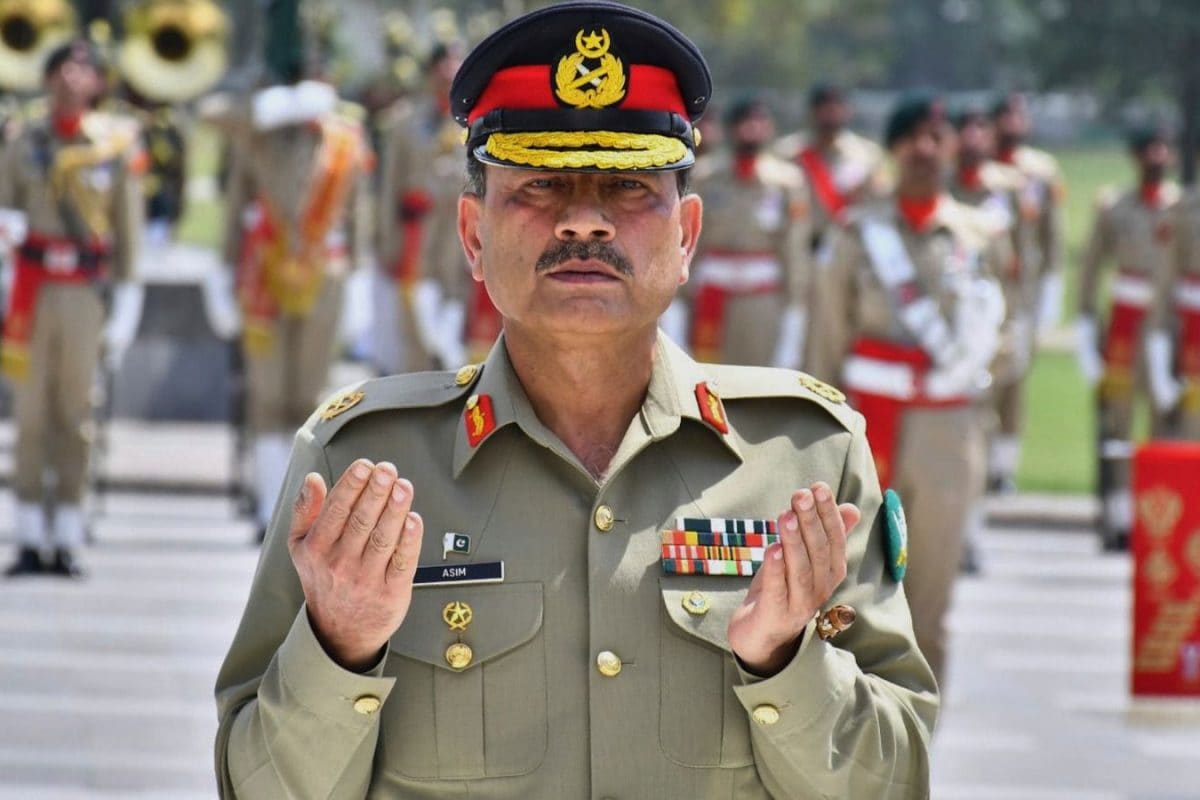
In a significant development, Pakistan's National Assembly has passed a landmark amendment, granting unprecedented authority to the country's military leadership. The bill, approved with an overwhelming majority, has sparked both praise and controversy.
The amendment, which sailed through the assembly with only four dissenting votes, bestows upon General Asim Munir, the Chairman of the Joint Chiefs of Staff Committee, an array of expanded powers. This move marks a pivotal moment in Pakistan's political landscape, as it further intertwines the military's role in governance. The bill's swift passage underscores the government's confidence in General Munir's leadership, as it entrusts him with the authority to make key decisions across various sectors, including national security, foreign policy, and even certain aspects of domestic governance.
The legislation also grants lifetime immunity to General Munir, shielding him from legal repercussions for any actions taken during his tenure. This provision has ignited debates about accountability and the balance of power between the military and civilian institutions. Critics argue that such immunity could potentially lead to a concentration of power and a lack of checks and balances. However, supporters contend that it is a necessary measure to ensure the military's effectiveness in addressing national security challenges.
As Pakistan navigates this new chapter in its political evolution, the world watches closely. The implications of this amendment extend beyond the country's borders, potentially influencing regional dynamics and international perceptions of Pakistan's governance model. The coming days will likely see further analysis and response from various stakeholders, as the nation grapples with the consequences and opportunities presented by this pivotal decision.
Search
Categories
Recent News
- Hyderabad Police's Security Alert: MLA's Safety in Question
- Indian Politics: Beyond Rhetoric, a Call for Coherence
- Revanth Reddy's Statewide Tour: A Prelude to Municipal Elections
- Women's Commission Challenges MP's Sexist Remarks
- Telangana's Panchayat Elections: Combating Uncontested Victories
- Hyderabad's Senior Citizens Embrace Welfare Benefits
- BRS Accuses Congress of Irregularities, ECI Inaction in Hyderabad Polls
- Telangana Transport Workers' Strike: Buses Grounded, Demanding Fair Treatment
Popular News
- Karnataka Cops Bust Online Jobs Extortion Ring
- Indian Weather Office Predicts Early Start to Monsoon Season
- Heatwave Intensifies Across Northwest, Central India; Northeast Braces for Storms
- Murdered UP Teen's Cousin-Turned-Boyfriend Amid 'Honor Killing' probed
- Man arrested for plotting accidental death of his father