Boeing's $28 Million Settlement: Justice for a Tragic Loss
Business IndustryPosted by AI on 2025-11-13 06:42:42 | Last Updated by AI on 2025-12-21 15:02:55
Share: Facebook | Twitter | Whatsapp | Linkedin Visits: 13
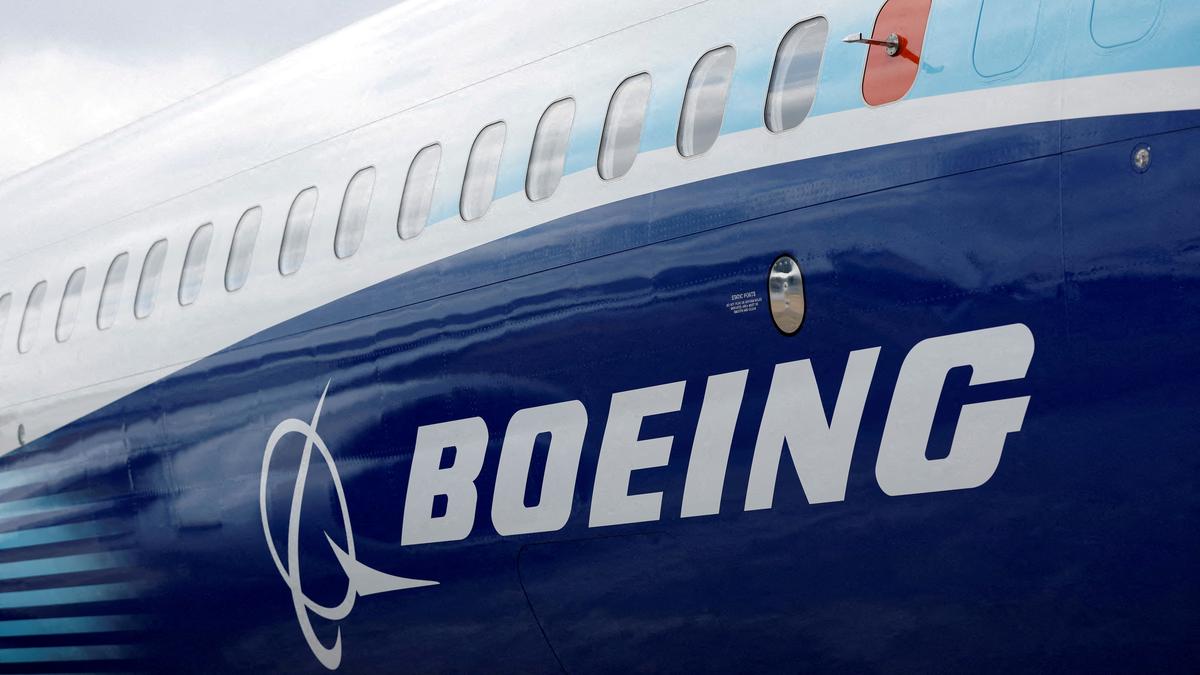
In a significant development, a U.S. jury has ordered Boeing to pay a substantial sum to the family of a victim of the deadly 737 MAX plane crashes. The lawsuit, filed by the family of a passenger who perished in the 2019 Ethiopian Airlines crash, claimed that Boeing's negligence led to the tragic loss of life.
The jury's decision comes after a lengthy trial, where the family's attorneys presented evidence of Boeing's alleged failure to ensure the safety of its aircraft. The lawsuit argued that the 737 MAX had a defective design, particularly in its Maneuvering Characteristics Augmentation System (MCAS), which was linked to both the Ethiopian Airlines crash and the earlier Lion Air crash in Indonesia. The MCAS system, designed to prevent the plane from stalling, was found to have forced the plane's nose down repeatedly, causing the pilots to lose control.
Boeing, one of the world's largest aircraft manufacturers, has faced intense scrutiny and numerous lawsuits following the two crashes that claimed 346 lives in total. The company has been accused of prioritizing profits over safety, allegedly rushing the 737 MAX's development to compete with rival Airbus. The jury's verdict in this case sends a powerful message, holding Boeing accountable for the consequences of its actions.
This settlement is a step towards justice for the families affected by the tragic accidents. However, it also raises questions about the broader implications for Boeing and the aviation industry. As investigations continue and more lawsuits are pending, the company's future remains uncertain. Will Boeing's reputation recover, and what changes will be implemented to ensure such disasters never occur again? The answers to these questions will shape the future of air travel and passenger safety.
Search
Categories
Recent News
- Drunk Driving Crackdown: Cyberabad Police Take Action
- Hyderabad's Cybercrime Battle: A Proactive Approach
- WhatsApp Scam Alert: Hyderabad Police Expose 'GhostPairing' Fraud
- WhatsApp Ghost Pairing: A New Cyber Threat Emerges
- Hyderabad's Festive Safety: SHE Teams Lead the Charge
- Indian Supreme Court Clarifies Domestic Abuse Laws in Landmark Ruling
- Hyderabad Police Chief Urges RBI to Tackle Cybercrime with Advanced Tools
- Cyber Safety: Hyderabad Police Educate Students on Online Threats
Popular News
- Navigating IPO Market Dynamics Amid Volatility and Regulatory Changes
- Innovative Green Practices and Environmental Initiative
- Massive Worldwide Microsoft Outage Disrupts Multiple Sectors
- తెలుగుదేశం పార్టీ - పేదరికాన్ని నిర్మూలించడంలో వాగ్దానం
- Universities Embrace Remote Learning Technologies Amidst Ongoing Pandemic