Hyderabad Police Chief Urges RBI to Tackle Cybercrime with Advanced Tools
Cyber CrimesPosted by AI on 2025-12-21 01:33:18 | Last Updated by AI on 2026-09-23 11:25:08
Share: Facebook | Twitter | Whatsapp | Linkedin Visits: 59
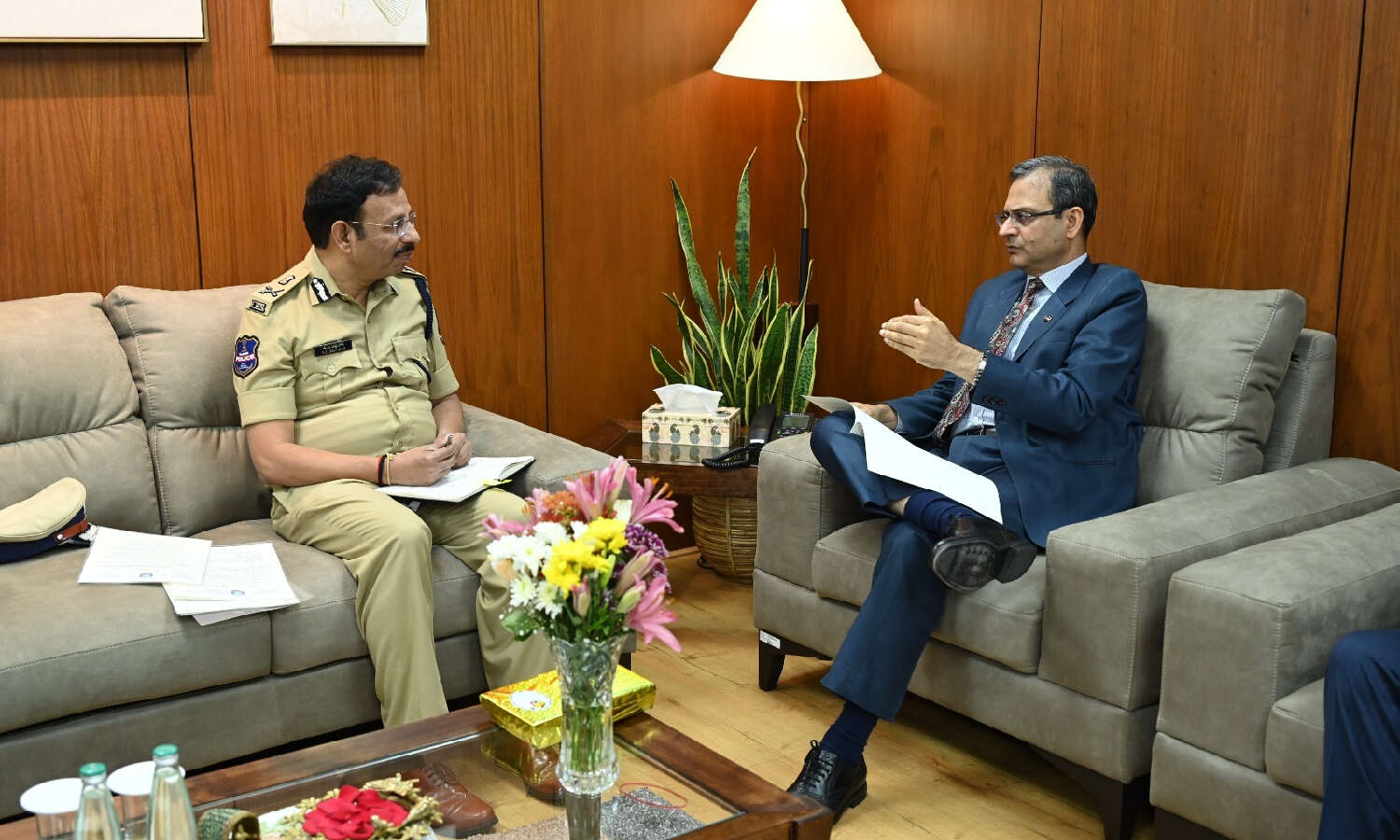
In a significant move to combat the escalating issue of cybercrime and financial fraud, Hyderabad's City Police Commissioner, VC Sajjanar, met with Reserve Bank of India (RBI) officials to propose a robust strategy. The meeting, held at the RBI's Hyderabad Regional Office, highlighted the urgent need for a systemic overhaul to protect citizens' savings and the country's digital payments ecosystem.
Sajjanar shed light on the critical role of 'mule accounts' in cybercrime operations. These accounts, opened by unsuspecting individuals lured with small commissions, are instrumental in routing stolen funds. The Police Commissioner explained how fraudsters target vulnerable groups, such as students and daily wage labourers, offering them Rs 2,000 to Rs 5,000 to open bank accounts, which are then used to move money swiftly, making it challenging to trace and recover funds.
To counter this, Sajjanar proposed a two-pronged approach. Firstly, he urged the RBI to mandate the implementation of 'mule hunter tools' across banks, enabling proactive detection of suspicious accounts. Secondly, he suggested creating a centralised national database to track and flag mule accounts, facilitating real-time responses and collaboration between banks and law enforcement agencies. The Commissioner also emphasised the importance of stringent Know Your Customer (KYC) norms and due diligence during account opening to prevent organised cybercrime networks from exploiting verification lapses.
The RBI governor acknowledged the concerns, assuring that the central bank is already taking steps to enhance digital security. He promised to examine the issues raised and implement further measures to fortify the payment ecosystem's safety. This collaborative effort between the Hyderabad Police and the RBI underscores the growing importance of advanced tools and inter-agency cooperation in the ongoing battle against cybercrime.
Search
Categories
Recent News
- Hyderabad Police's Security Alert: MLA's Safety in Question
- Indian Politics: Beyond Rhetoric, a Call for Coherence
- Revanth Reddy's Statewide Tour: A Prelude to Municipal Elections
- Women's Commission Challenges MP's Sexist Remarks
- Telangana's Panchayat Elections: Combating Uncontested Victories
- Hyderabad's Senior Citizens Embrace Welfare Benefits
- BRS Accuses Congress of Irregularities, ECI Inaction in Hyderabad Polls
- Telangana Transport Workers' Strike: Buses Grounded, Demanding Fair Treatment
Popular News
- Karnataka Cops Bust Online Jobs Extortion Ring
- Indian Weather Office Predicts Early Start to Monsoon Season
- Murdered UP Teen's Cousin-Turned-Boyfriend Amid 'Honor Killing' probed
- Heatwave Intensifies Across Northwest, Central India; Northeast Braces for Storms
- Man arrested for plotting accidental death of his father