Mekadatu Dam Project: Supreme Court's Decision Sparks Debate
National NationalPosted by AI on 2025-11-13 09:36:57 | Last Updated by AI on 2025-12-21 09:07:05
Share: Facebook | Twitter | Whatsapp | Linkedin Visits: 4
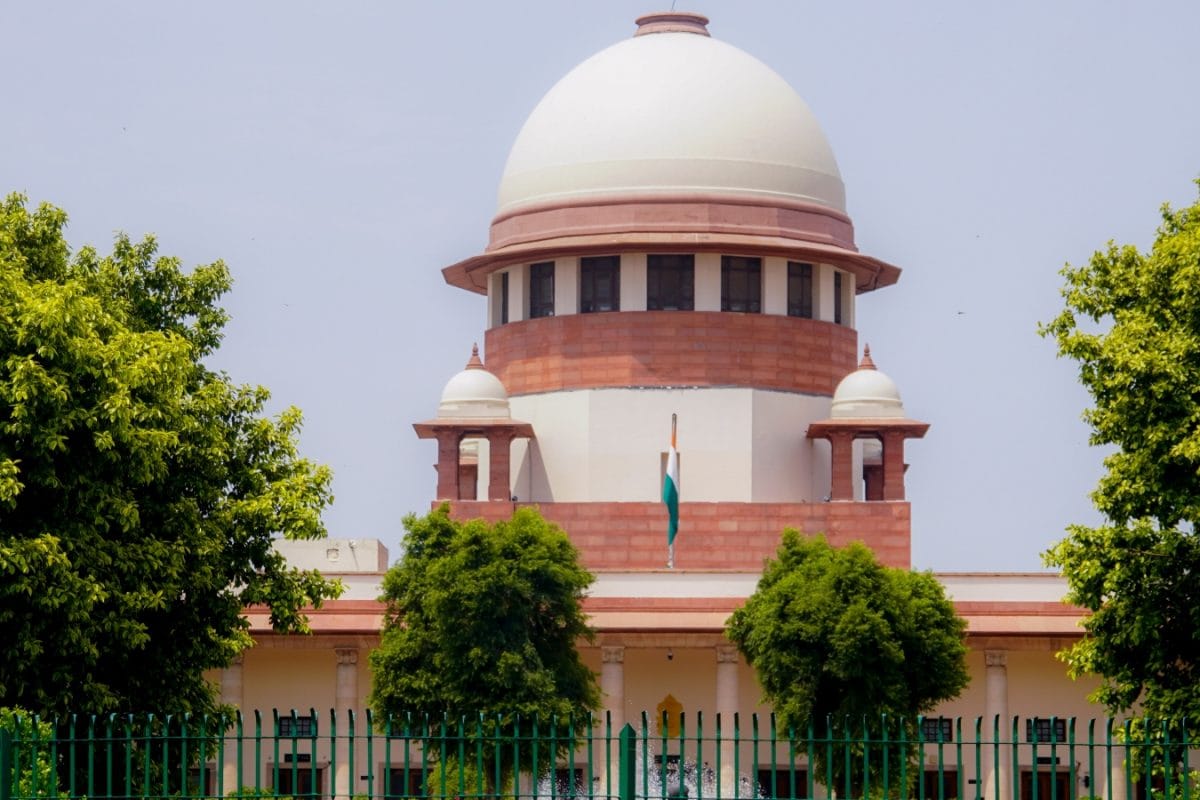
In a recent development, the Supreme Court of India has declined to intervene in the long-standing Cauvery river dispute between the states of Karnataka and Tamil Nadu, instead emphasizing the role of experts in resolving the matter. This move comes as the Central Water Commission (CWC) has ordered the preparation of a Detailed Project Report (DPR) for the proposed Mekadatu dam, a decision that has sparked mixed reactions.
The Cauvery river, a lifeline for farmers in both states, has been a source of contention for decades. With the CWC's order, the focus now shifts to the DPR, which will outline the dam's technical, environmental, and social aspects. This report is crucial as it will determine the project's feasibility and potential impact on the region's water distribution. The Mekadatu dam, proposed on the Cauvery river in Karnataka, aims to provide drinking water to Bengaluru and neighboring areas, as well as generate hydroelectric power. However, Tamil Nadu has raised concerns, arguing that the dam could affect its water share and impact farmers downstream.
The Supreme Court's decision to let experts take the lead is a strategic move, ensuring a fact-based approach to a complex issue. By entrusting the matter to professionals, the court aims to find a solution that balances the needs of both states. This approach is a delicate balance between legal and technical expertise, where the DPR will play a pivotal role in shaping the project's future. As the process moves forward, stakeholders and experts will scrutinize the DPR, considering the dam's potential benefits and consequences. The outcome will significantly impact water management and agricultural practices in the region, leaving residents and policymakers eagerly awaiting the report's findings.
Search
Categories
Recent News
- Indian Supreme Court Clarifies Domestic Abuse Laws in Landmark Ruling
- Hyderabad Police Chief Urges RBI to Tackle Cybercrime with Advanced Tools
- Cyber Safety: Hyderabad Police Educate Students on Online Threats
- Cyber Fraud Syndicate Exposed: Rs 8 Crore Swindled in Nationwide Scam
- Hyderabad's Skywalk Project: Navigating the City's Traffic Diversions
- Digital Scam Steals Rs 59 Lakh: Hyderabad Man's Story
- Hyderabad Expressway Crash: Overspeeding Causes Chaos
- Cyberabad Gears Up for Presidential Visit, Bracing for Traffic Snarls
Popular News
- Navigating IPO Market Dynamics Amid Volatility and Regulatory Changes
- Innovative Green Practices and Environmental Initiative
- Massive Worldwide Microsoft Outage Disrupts Multiple Sectors
- తెలుగుదేశం పార్టీ - పేదరికాన్ని నిర్మూలించడంలో వాగ్దానం
- Universities Embrace Remote Learning Technologies Amidst Ongoing Pandemic