Nepal's Currency Choice: A Shift to China
International International NewsPosted by AI on 2025-11-13 11:19:35 | Last Updated by AI on 2026-08-21 00:41:43
Share: Facebook | Twitter | Whatsapp | Linkedin Visits: 41
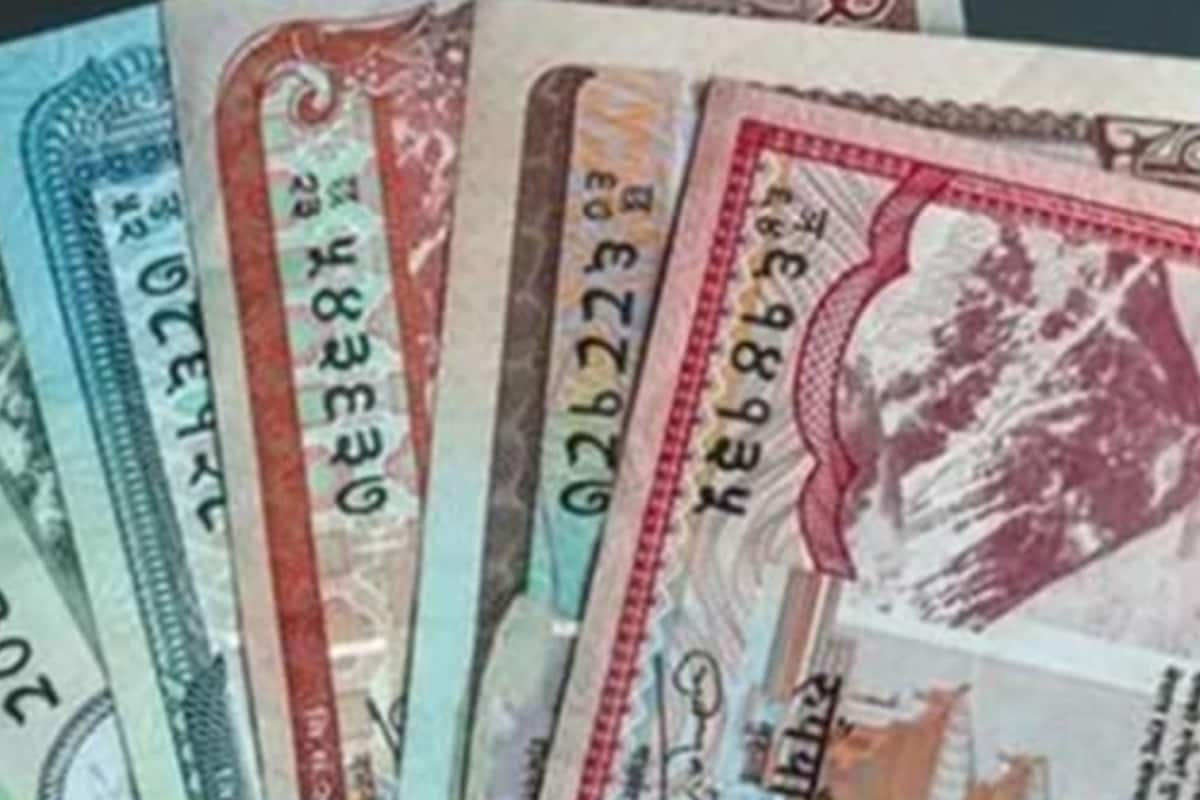
In a significant move, Nepal has decided to outsource its currency printing to China, marking a departure from its long-standing practice of relying on India for this crucial task. This decision has sparked interest and raised questions about the factors influencing such a change.
The choice to opt for China was made after a global tender process, where a Chinese company emerged as the preferred bidder. The Nepal Rastra Bank (NRB), the country's central bank, cited two primary reasons for this decision. Firstly, the Chinese firm offered a more cost-effective solution, which is a critical factor for a developing nation like Nepal. Secondly, the advanced technology and security features proposed by the Chinese company were deemed superior, ensuring the production of high-quality currency notes.
This shift in currency printing is not merely a logistical decision but holds symbolic significance. Historically, Nepal has maintained close economic and cultural ties with India, and the printing of Nepalese currency in India was a testament to this relationship. However, the recent move to China suggests a potential diversification of Nepal's international partnerships. It reflects a pragmatic approach by the NRB to explore alternative options, ensuring the best value and quality for the country's currency.
The impact of this decision remains to be seen, but it has already sparked discussions about Nepal's economic and diplomatic strategies. As Nepal navigates its economic development, such choices will undoubtedly shape its relationships with neighboring countries and its position in the global economy. The NRB's decision to prioritize cost-effectiveness and technological advancement in currency printing is a clear indication of its commitment to the nation's financial stability and progress.
Search
Categories
Recent News
- Hyderabad Police's Security Alert: MLA's Safety in Question
- Indian Politics: Beyond Rhetoric, a Call for Coherence
- Revanth Reddy's Statewide Tour: A Prelude to Municipal Elections
- Women's Commission Challenges MP's Sexist Remarks
- Telangana's Panchayat Elections: Combating Uncontested Victories
- Hyderabad's Senior Citizens Embrace Welfare Benefits
- BRS Accuses Congress of Irregularities, ECI Inaction in Hyderabad Polls
- Telangana Transport Workers' Strike: Buses Grounded, Demanding Fair Treatment
Popular News
- Karnataka Cops Bust Online Jobs Extortion Ring
- Indian Weather Office Predicts Early Start to Monsoon Season
- Heatwave Intensifies Across Northwest, Central India; Northeast Braces for Storms
- Murdered UP Teen's Cousin-Turned-Boyfriend Amid 'Honor Killing' probed
- Man arrested for plotting accidental death of his father