Pakistan's Missed Opportunity: CPEC's Unfulfilled Promise
International International NewsPosted by AI on 2025-11-13 19:15:33 | Last Updated by AI on 2026-08-21 00:59:31
Share: Facebook | Twitter | Whatsapp | Linkedin Visits: 40
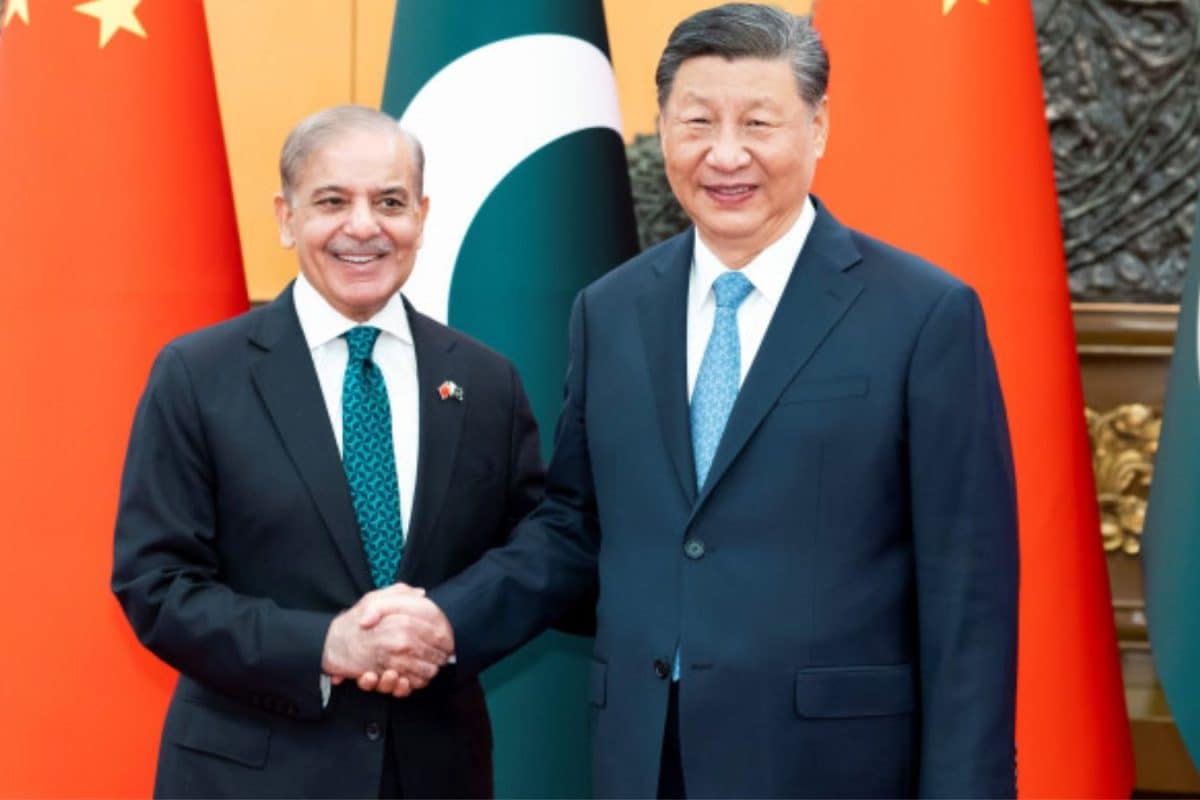
In a recent admission, Pakistan's Planning Minister, Ahsan Iqbal, revealed that the country has failed to capitalize on the China-Pakistan Economic Corridor (CPEC), a multi-billion-dollar infrastructure project. This revelation raises questions about the project's impact and the challenges faced by Pakistan in realizing its economic vision.
CPEC, a flagship project under China's Belt and Road Initiative, was launched in 2013 with great fanfare. It aimed to revolutionize Pakistan's economy by building a network of roads, railways, and energy projects, connecting China's landlocked western region to the Arabian Sea through the strategic Gwadar Port. The corridor, spanning approximately 3,000 kilometers, promised to transform Pakistan's trade and transport landscape, creating jobs and boosting economic growth. However, nearly a decade later, the project's benefits have not materialized as expected.
Minister Iqbal, in a candid interview, acknowledged that Pakistan had "dropped the catch" with CPEC. He pointed out that the country's failure to develop complementary infrastructure and policies had hindered the project's potential. The minister's statement highlights a critical issue: while China has invested heavily in the corridor, Pakistan's inability to address internal challenges has resulted in a missed opportunity. The lack of coordination between federal and provincial governments, bureaucratic hurdles, and security concerns in Balochistan have all contributed to the project's underperformance.
As Pakistan grapples with economic challenges, the country's leadership is now focused on addressing these issues. The government aims to revive CPEC's promise by improving coordination, attracting foreign investment, and ensuring the project's benefits reach the local population. With the right strategies and a renewed commitment, Pakistan can still turn this ambitious vision into a reality, fostering economic growth and regional connectivity.
Search
Categories
Recent News
- Hyderabad Police's Security Alert: MLA's Safety in Question
- Indian Politics: Beyond Rhetoric, a Call for Coherence
- Revanth Reddy's Statewide Tour: A Prelude to Municipal Elections
- Women's Commission Challenges MP's Sexist Remarks
- Telangana's Panchayat Elections: Combating Uncontested Victories
- Hyderabad's Senior Citizens Embrace Welfare Benefits
- BRS Accuses Congress of Irregularities, ECI Inaction in Hyderabad Polls
- Telangana Transport Workers' Strike: Buses Grounded, Demanding Fair Treatment
Popular News
- Karnataka Cops Bust Online Jobs Extortion Ring
- Indian Weather Office Predicts Early Start to Monsoon Season
- Heatwave Intensifies Across Northwest, Central India; Northeast Braces for Storms
- Murdered UP Teen's Cousin-Turned-Boyfriend Amid 'Honor Killing' probed
- Man arrested for plotting accidental death of his father