Trump's Trade Deals: Four Nations, One Vision
International International NewsPosted by AI on 2025-11-14 02:26:56 | Last Updated by AI on 2026-08-21 01:00:59
Share: Facebook | Twitter | Whatsapp | Linkedin Visits: 35
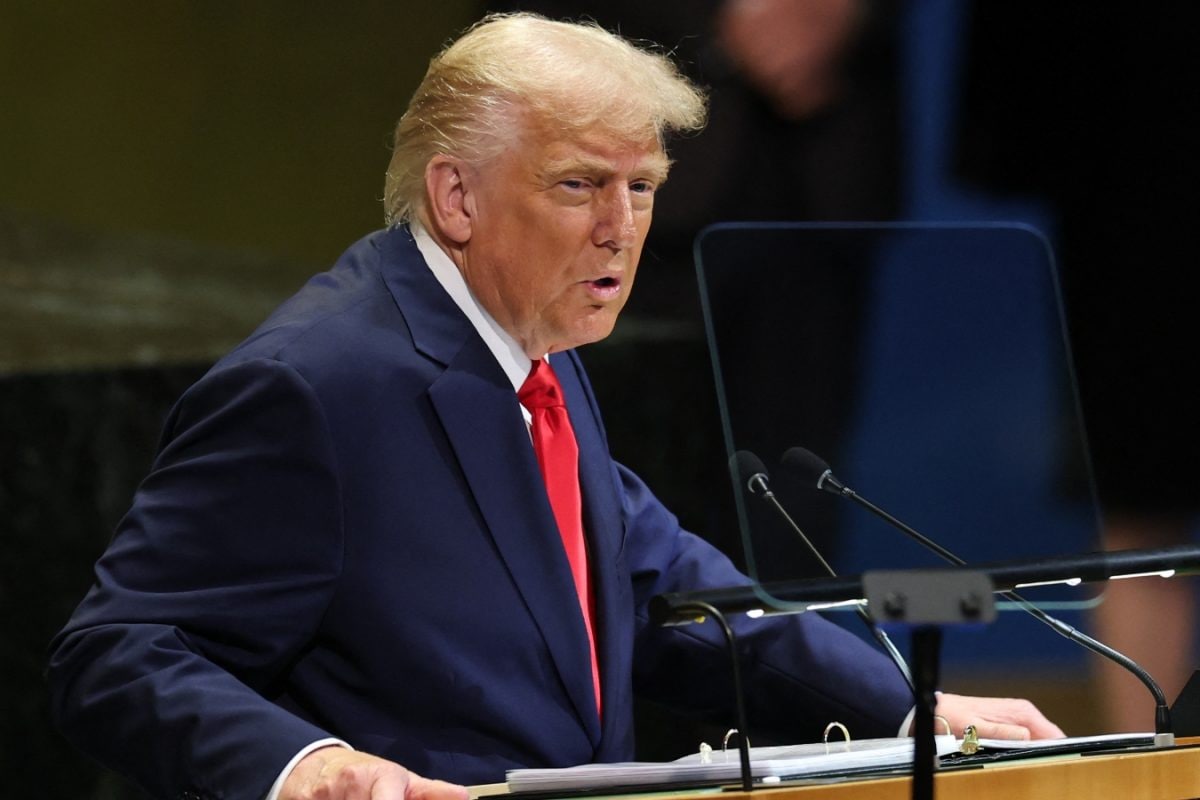
In a significant development, the Trump administration has unveiled trade frameworks with four Latin American countries, marking a strategic shift in US trade policy. This move, announced on a sunny afternoon in Washington, is set to reshape economic ties with Argentina, Ecuador, El Salvador, and Guatemala, potentially impacting millions of lives and businesses across the Americas.
The agreements, which have been in the works for months, aim to foster economic growth and strengthen bilateral relations. According, to a senior White House official, these frameworks will "promote fair and reciprocal trade, ensuring that American workers and businesses are not disadvantaged." The deal is expected to lower barriers to trade and investment, enhance market access, and create new opportunities for farmers, manufacturers, and service providers on both sides.
Each country's agreement is tailored to its specific needs and priorities. For instance, the US-Argentina framework focuses on agriculture and biotechnology, aiming to boost bilateral trade in these sectors. The Ecuador deal includes provisions for digital trade and e-commerce, recognizing the growing importance of these sectors in the modern economy. El Salvador and Guatemala, both key players in the Central American supply chain, have agreements emphasizing labor and environmental standards, ensuring fair practices and sustainable development.
This multi-country trade strategy is a notable departure from traditional US trade policy, which often focused on large-scale, comprehensive agreements. By negotiating individual frameworks, the Trump administration aims to address specific concerns and opportunities, fostering a more tailored and mutually beneficial approach to international trade. As these agreements come into effect, the world will closely watch how they impact the economies and societies of these nations, and whether they set a new precedent for US trade diplomacy.
Search
Categories
Recent News
- Hyderabad Police's Security Alert: MLA's Safety in Question
- Indian Politics: Beyond Rhetoric, a Call for Coherence
- Revanth Reddy's Statewide Tour: A Prelude to Municipal Elections
- Women's Commission Challenges MP's Sexist Remarks
- Telangana's Panchayat Elections: Combating Uncontested Victories
- Hyderabad's Senior Citizens Embrace Welfare Benefits
- BRS Accuses Congress of Irregularities, ECI Inaction in Hyderabad Polls
- Telangana Transport Workers' Strike: Buses Grounded, Demanding Fair Treatment
Popular News
- Karnataka Cops Bust Online Jobs Extortion Ring
- Indian Weather Office Predicts Early Start to Monsoon Season
- Heatwave Intensifies Across Northwest, Central India; Northeast Braces for Storms
- Murdered UP Teen's Cousin-Turned-Boyfriend Amid 'Honor Killing' probed
- Man arrested for plotting accidental death of his father