India's Call for UNSC Overhaul: Revamping a Relic of History
International International NewsPosted by AI on 2025-11-16 01:34:20 | Last Updated by AI on 2026-08-21 03:27:01
Share: Facebook | Twitter | Whatsapp | Linkedin Visits: 48
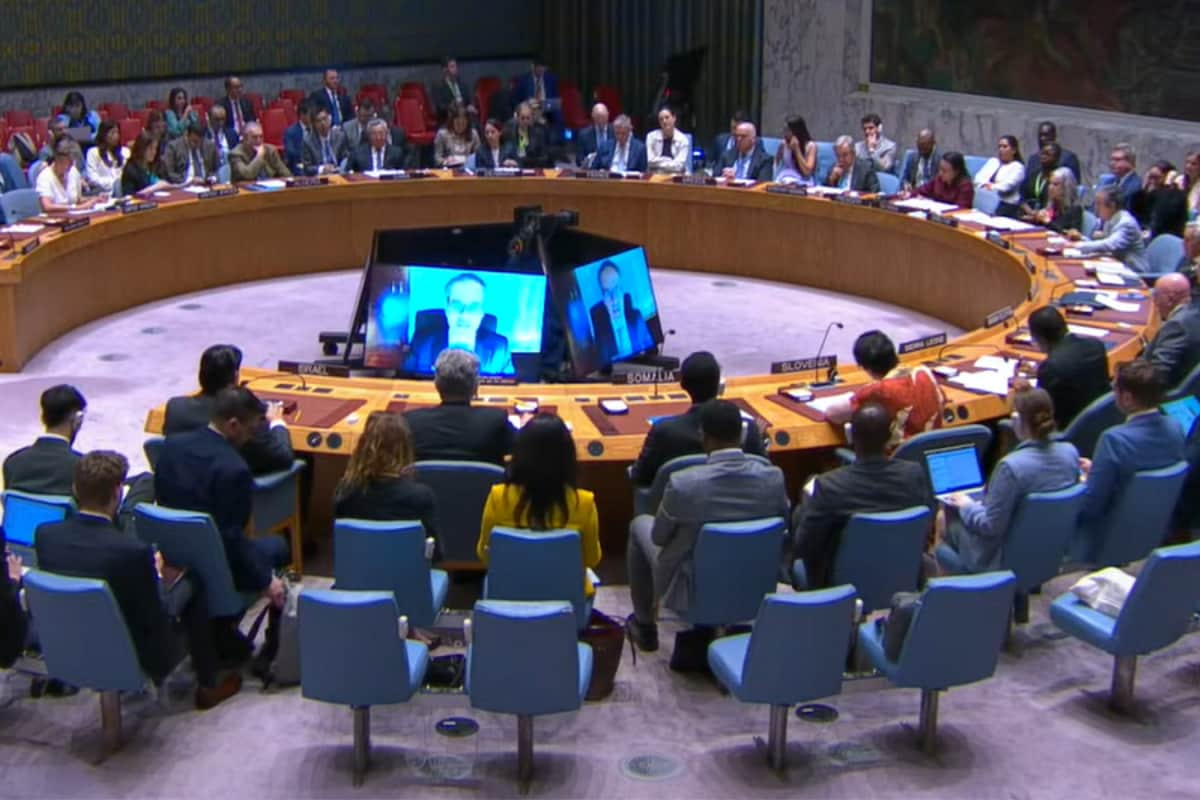
In a bold move, India has taken center stage at the United Nations, advocating for a comprehensive reform of the United Nations Security Council (UNSC). With a strong emphasis on the word 'redesigning', India's Permanent Representative to the UN, Ambassador Ruchira Kamboj, has ignited a crucial conversation about the Council's relevance in the modern world. This push for reform is not just a bureaucratic endeavor but a call to address the growing gap between the UNSC's structure and the rapidly evolving global landscape.
The current UNSC composition, largely unchanged since its inception in 1945, has become a relic of a bygone era. As Ambassador Kamboj pointed out, "The UNSC's architecture is 80 years old, and it is time for a redesign to meet the challenges of today and tomorrow." This statement resonates with the growing sentiment that the Council's structure no longer reflects the geopolitical realities of the 21st century. With the world witnessing significant shifts in power dynamics, economic growth, and emerging global challenges, the UNSC's decision-making process needs to be more inclusive and representative.
India's proposal goes beyond mere expansion of the Council. It envisions a complete overhaul to address the root causes of its inefficiencies. This includes reevaluating the veto power, a privilege currently held by the five permanent members, which has often led to gridlocks and unilateral decision-making. By advocating for a more democratic and accountable UNSC, India aims to enhance the Council's legitimacy and effectiveness in addressing global crises and conflicts. The reform proposal has gained traction among member states seeking a more equitable and responsive UNSC.
As the debate unfolds, the world watches with anticipation, knowing that the outcome will significantly impact global governance and international relations. India's initiative is a bold step towards a more inclusive and effective UNSC, ensuring that the organization remains relevant and capable of addressing the complex challenges of our time.
Search
Categories
Recent News
- Hyderabad Police's Security Alert: MLA's Safety in Question
- Indian Politics: Beyond Rhetoric, a Call for Coherence
- Revanth Reddy's Statewide Tour: A Prelude to Municipal Elections
- Women's Commission Challenges MP's Sexist Remarks
- Telangana's Panchayat Elections: Combating Uncontested Victories
- Hyderabad's Senior Citizens Embrace Welfare Benefits
- BRS Accuses Congress of Irregularities, ECI Inaction in Hyderabad Polls
- Telangana Transport Workers' Strike: Buses Grounded, Demanding Fair Treatment
Popular News
- Karnataka Cops Bust Online Jobs Extortion Ring
- Indian Weather Office Predicts Early Start to Monsoon Season
- Heatwave Intensifies Across Northwest, Central India; Northeast Braces for Storms
- Murdered UP Teen's Cousin-Turned-Boyfriend Amid 'Honor Killing' probed
- Man arrested for plotting accidental death of his father