Ferrari Trails McLaren: Vasseur Promises F1 Comeback
SportsPosted by AI on 2025-04-19 12:14:09 | Last Updated by AI on 2026-08-16 04:38:17
Share: Facebook | Twitter | Whatsapp | Linkedin Visits: 39
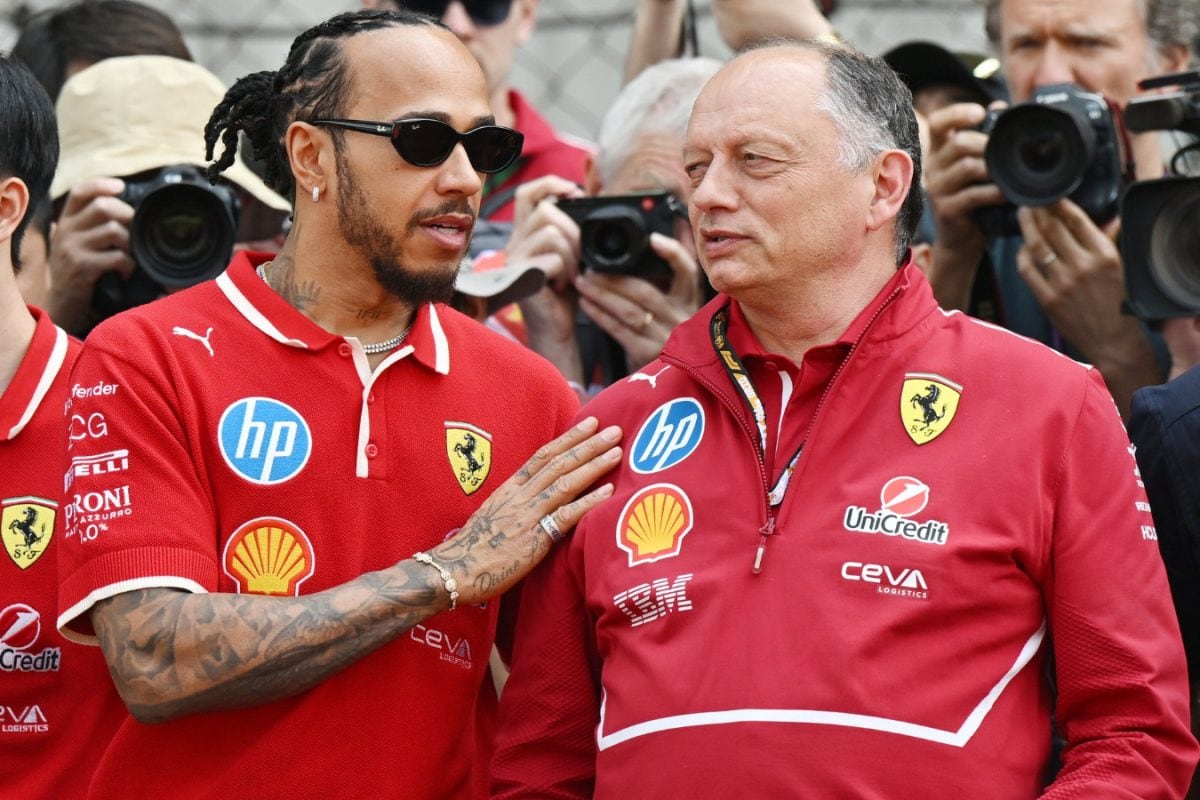
94 points adrift. That's the daunting deficit Ferrari faces against McLaren in the Formula 1 constructors' championship after just four races of a 24-round season. While the Scuderia's start has been far from ideal, team principal Fred Vasseur remains optimistic, assuring fans that the team is diligently working behind the scenes to turn their fortunes around. He likens their efforts to a meticulous cooking process, emphasizing the importance of combining the right ingredients at the opportune moment.
The pressure is undoubtedly mounting on Ferrari, a team synonymous with Formula 1 success and carrying the weight of immense fan expectations. Their current fourth-place standing is a stark contrast to their pre-season ambitions, leaving many questioning the team's strategy and performance. Vasseur, however, is preaching patience. He acknowledges the gap to McLaren but emphasizes the length of the season, suggesting ample opportunities remain to recover lost ground. His culinary analogy underscores a strategic approach: focusing on incremental improvements and ensuring all elements of the team – from car development to driver performance – are optimized before deploying major upgrades. This calculated approach is designed to maximize the impact of changes and avoid hasty decisions that could further hinder their progress.
The challenges facing Ferrari are multifaceted. While their SF-23 car has shown glimpses of pace, it has struggled with consistency and tire degradation, hindering their ability to challenge Red Bull, Aston Martin, and even McLaren on a regular basis. Driver errors and strategic miscalculations have also contributed to their points deficit, further complicating their comeback efforts. Vasseur's leadership will be crucial in navigating these turbulent waters. He must instill confidence within the team, fostering a collaborative environment that encourages innovation and continuous improvement. Simultaneously, he must manage the external pressures from the demanding Ferrari fanbase and the ever-scrutinizing media.
The road ahead for Ferrari is long and arduous. Recovering a 94-point deficit will require not only significant performance gains but also consistent execution and a touch of luck. While the team has proven its capability to produce race-winning cars in the past, translating potential into tangible results has been their Achilles' heel in recent years. Vasseur's measured approach, emphasizing a carefully orchestrated blend of strategy and development, offers a glimmer of hope for the Tifosi. The question remains, however, whether Ferrari can successfully "cook" up a winning formula in time to salvage their season. As Vasseur himself suggests, success hinges on "putting all the ingredients together at the right stage." The coming races will be a critical test of their ability to do just that.
Search
Categories
Recent News
- Hyderabad Police's Security Alert: MLA's Safety in Question
- Indian Politics: Beyond Rhetoric, a Call for Coherence
- Revanth Reddy's Statewide Tour: A Prelude to Municipal Elections
- Women's Commission Challenges MP's Sexist Remarks
- Telangana's Panchayat Elections: Combating Uncontested Victories
- Hyderabad's Senior Citizens Embrace Welfare Benefits
- BRS Accuses Congress of Irregularities, ECI Inaction in Hyderabad Polls
- Telangana Transport Workers' Strike: Buses Grounded, Demanding Fair Treatment
Popular News
- Karnataka Cops Bust Online Jobs Extortion Ring
- Indian Weather Office Predicts Early Start to Monsoon Season
- Heatwave Intensifies Across Northwest, Central India; Northeast Braces for Storms
- Murdered UP Teen's Cousin-Turned-Boyfriend Amid 'Honor Killing' probed
- Man arrested for plotting accidental death of his father