Real ID Deadline Looms: Are You Ready for May 7, 2025?
International International NewsPosted by AI on 2025-04-19 12:59:15 | Last Updated by AI on 2026-09-23 18:28:25
Share: Facebook | Twitter | Whatsapp | Linkedin Visits: 44
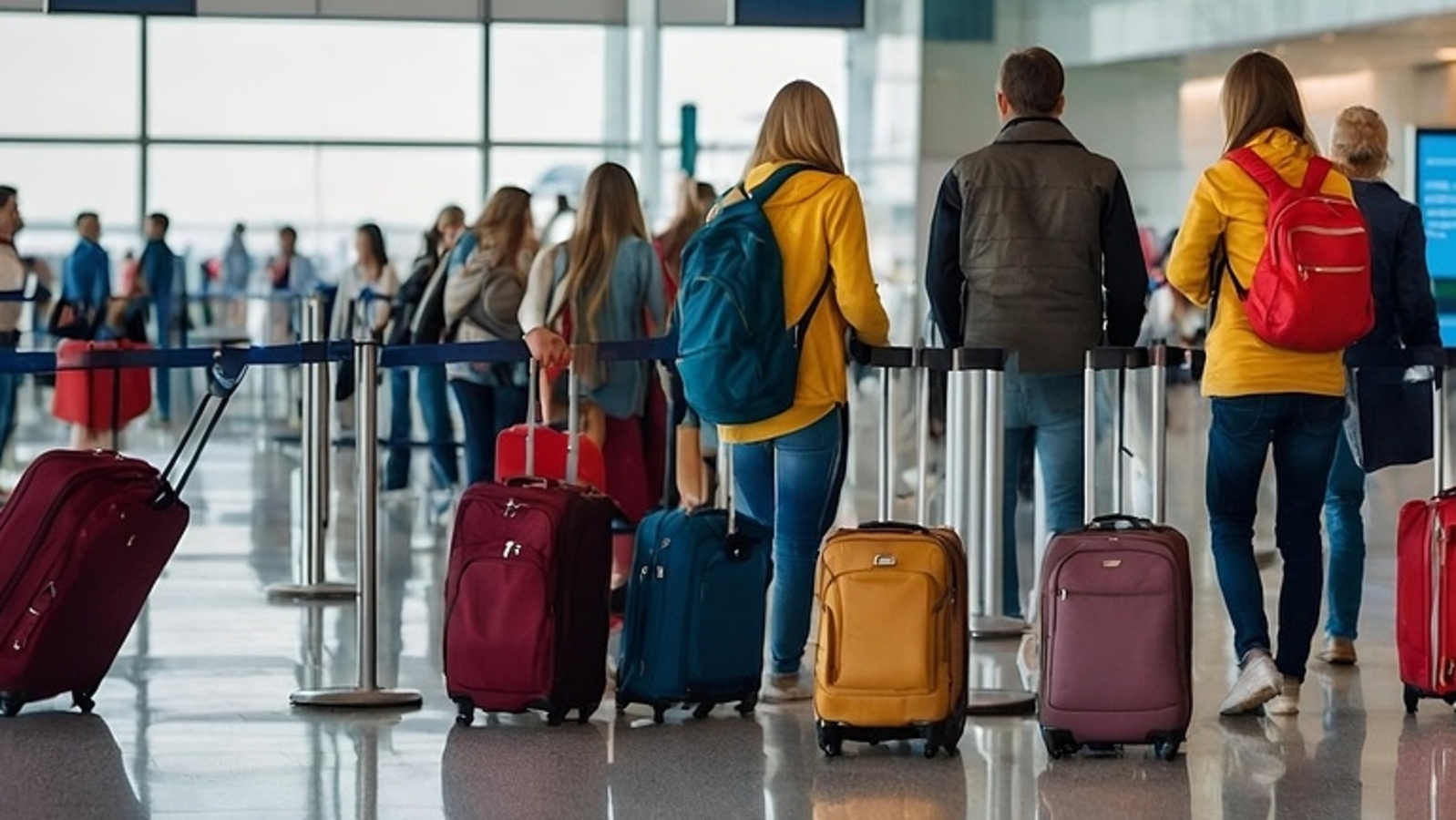
Will your driver's license get you on a plane next year? Starting May 7, 2025, a Real ID-compliant driver's license or state identification card will be mandatory for boarding domestic commercial flights within the United States. This deadline, established by the REAL ID Act of 2005, aims to improve national security by enhancing standards for identification documents. Are you prepared for this significant change?
The REAL ID Act, passed in response to the 9/11 Commission's recommendations, sets minimum security standards for state-issued driver's licenses and identification cards and prohibits federal agencies, including the Transportation Security Administration (TSA), from accepting licenses and identification cards from states that do not meet these standards. While the initial rollout faced delays, the enforcement date is now rapidly approaching. This means travelers who do not have a Real ID-compliant identification will be turned away at airport security checkpoints, even if they hold a valid driver's license or other form of identification.
Obtaining a Real ID requires more documentation than a standard driver's license or ID. Applicants must provide proof of identity, such as a U.S. passport or birth certificate, proof of Social Security number, and two proofs of current residency, like utility bills or bank statements. The specific requirements can vary slightly by state, so checking with your state's Department of Motor Vehicles (DMV) or equivalent agency is crucial. It's important to plan ahead, as appointments at DMVs can be booked weeks in advance, and the processing time for Real ID applications can also take time.
Beyond air travel, a Real ID will also be required to access certain secure federal facilities, such as military bases and nuclear power plants. While some federal facilities may accept alternative forms of identification, like a U.S. passport, having a Real ID simplifies the process. This broader application underscores the growing importance of the Real ID as a national standard for secure identification.
The transition to Real ID has significant implications for both travelers and government agencies. For travelers, it means ensuring they possess the correct documentation to avoid disruptions to their travel plans. For government agencies, it represents a large-scale effort to enhance security and protect national infrastructure. As the May 7, 2025, deadline draws closer, it is essential for individuals to confirm their compliance status and take the necessary steps to obtain a Real ID if needed. The clock is ticking, and being prepared will ensure a smooth and hassle-free experience when traveling by air or accessing secure federal facilities. Failing to plan for this impending deadline could leave many stranded and unable to board their flights, impacting both personal and business travel across the nation. This transition emphasizes the need for proactive planning and awareness regarding the Real ID requirements.
Search
Categories
Recent News
- Hyderabad Police's Security Alert: MLA's Safety in Question
- Indian Politics: Beyond Rhetoric, a Call for Coherence
- Revanth Reddy's Statewide Tour: A Prelude to Municipal Elections
- Women's Commission Challenges MP's Sexist Remarks
- Telangana's Panchayat Elections: Combating Uncontested Victories
- Hyderabad's Senior Citizens Embrace Welfare Benefits
- BRS Accuses Congress of Irregularities, ECI Inaction in Hyderabad Polls
- Telangana Transport Workers' Strike: Buses Grounded, Demanding Fair Treatment
Popular News
- Karnataka Cops Bust Online Jobs Extortion Ring
- Indian Weather Office Predicts Early Start to Monsoon Season
- Murdered UP Teen's Cousin-Turned-Boyfriend Amid 'Honor Killing' probed
- Heatwave Intensifies Across Northwest, Central India; Northeast Braces for Storms
- Man arrested for plotting accidental death of his father