Bangladesh's Political Turmoil: A Looming Death Sentence and Threats of Violence
International International NewsPosted by AI on 2025-11-17 04:25:24 | Last Updated by AI on 2026-08-21 05:12:35
Share: Facebook | Twitter | Whatsapp | Linkedin Visits: 42
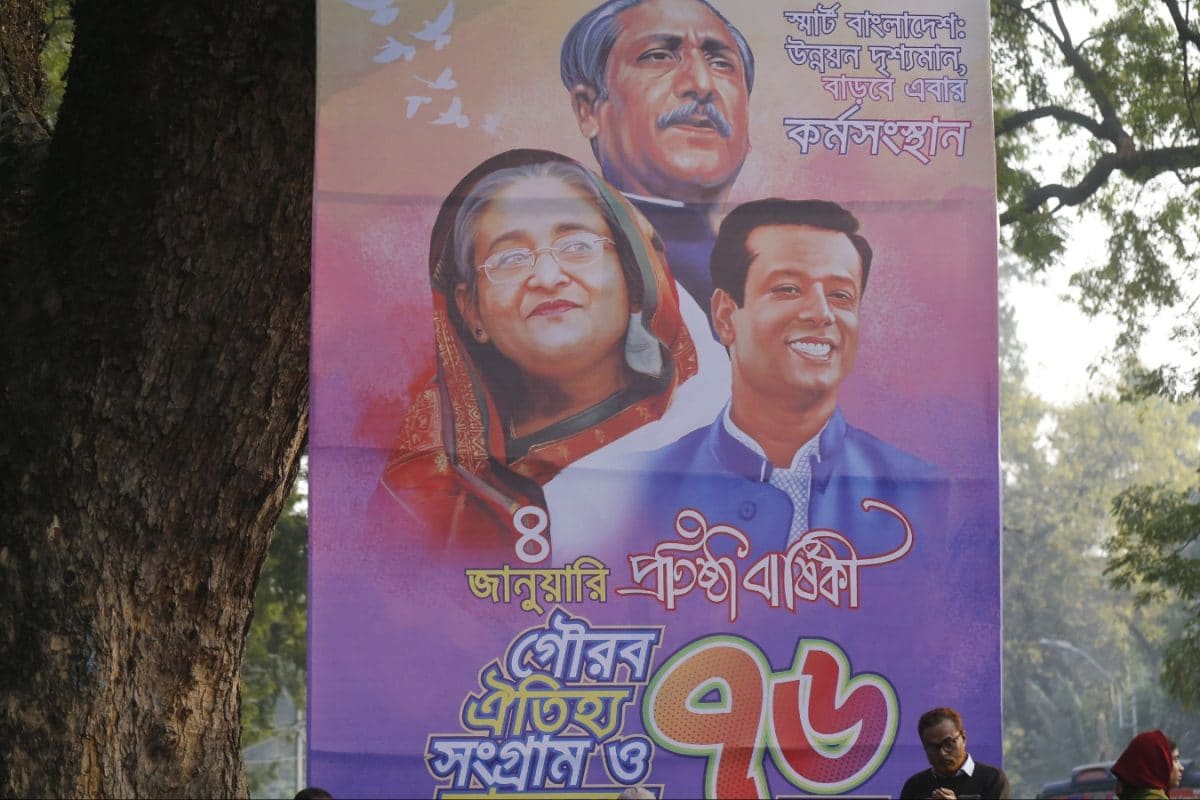
Bangladesh's political landscape is on the brink of a potential crisis as the nation awaits a court verdict that could have far-reaching consequences. The focus is on Sheikh Hasina, the country's former Prime Minister, and her son, Sajeeb Wazed, who has issued a stark warning regarding the upcoming February election.
Wazed, in a recent statement, has asserted that if the ban on the Awami League, a major political party, is not lifted, its supporters will take to the streets in protest. This protest, he claims, could escalate into violence, raising concerns about the stability of the country's political environment. The Awami League has been a dominant force in Bangladeshi politics, and its exclusion from the electoral process could have significant implications.
The tension arises as the country's Anti-Corruption Commission (ACC) has filed a case against Hasina, seeking the death penalty. The charges relate to an alleged corruption scandal involving the Padma Bridge project, a flagship infrastructure development. Hasina, a prominent political figure, has denied any wrongdoing and maintains her innocence. With the court's verdict pending, the political atmosphere is fraught with anxiety and anticipation.
As Bangladesh navigates this critical juncture, the world watches to see if the country can maintain political stability and ensure a fair and peaceful electoral process. The outcome of the court's decision and the subsequent actions of the Awami League and its supporters will be pivotal in shaping Bangladesh's political future. The stage is set for a potentially volatile period, with the nation's democratic process hanging in the balance.
Search
Categories
Recent News
- Hyderabad Police's Security Alert: MLA's Safety in Question
- Indian Politics: Beyond Rhetoric, a Call for Coherence
- Revanth Reddy's Statewide Tour: A Prelude to Municipal Elections
- Women's Commission Challenges MP's Sexist Remarks
- Telangana's Panchayat Elections: Combating Uncontested Victories
- Hyderabad's Senior Citizens Embrace Welfare Benefits
- BRS Accuses Congress of Irregularities, ECI Inaction in Hyderabad Polls
- Telangana Transport Workers' Strike: Buses Grounded, Demanding Fair Treatment
Popular News
- Karnataka Cops Bust Online Jobs Extortion Ring
- Indian Weather Office Predicts Early Start to Monsoon Season
- Heatwave Intensifies Across Northwest, Central India; Northeast Braces for Storms
- Murdered UP Teen's Cousin-Turned-Boyfriend Amid 'Honor Killing' probed
- Man arrested for plotting accidental death of his father