Yunus Accused of Framing Charges: Hasina Denounces 'Legal Violations'
International International NewsPosted by AI on 2025-11-17 04:57:57 | Last Updated by AI on 2026-08-21 05:12:22
Share: Facebook | Twitter | Whatsapp | Linkedin Visits: 55
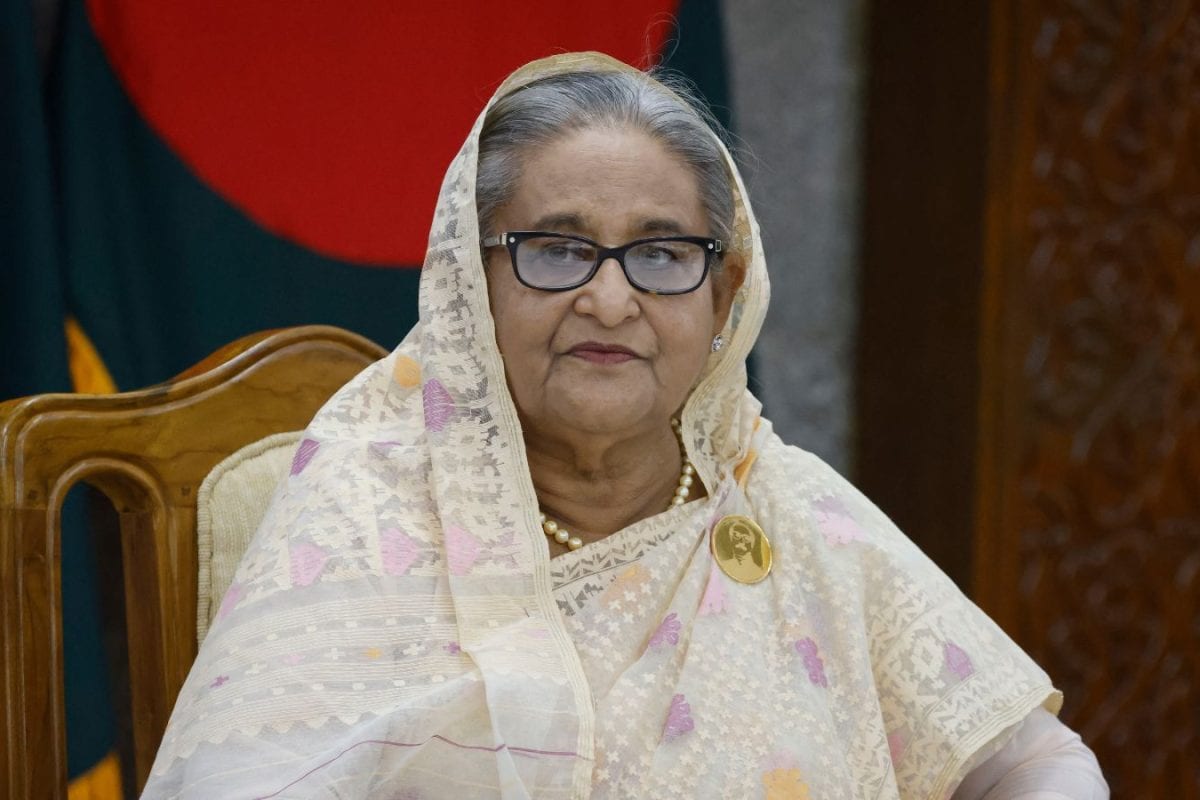
In a recent development, Bangladesh's Prime Minister Sheikh Hasina has leveled serious accusations against Nobel laureate Muhammad Yunus, claiming he fabricated charges to punish her. This startling revelation comes amidst the backdrop of the highly anticipated verdict in the ICT (International Crimes Tribunal) case, which has gripped the nation.
Hasina, addressing a gathering, asserted that Yunus and his associates had conspired to inflict punishment upon her through a process that disregarded legal principles. She stated, "They have framed false charges, and their intention was to punish me. This is a clear violation of all legal norms." The Prime Minister's comments shed light on the escalating tension surrounding the ICT case, which has been a subject of intense debate and scrutiny.
The case, which involves charges of war crimes and crimes against humanity during Bangladesh's liberation war in 1971, has divided the nation. Yunus, a renowned economist and social entrepreneur, has been a vocal critic of Hasina's government, particularly regarding its handling of the ICT trials. The trials, aimed at bringing justice for the atrocities committed during the war, have been marred by allegations of political influence and procedural irregularities.
As the country awaits the ICT verdict, Hasina's allegations against Yunus add a new dimension to the ongoing political drama. The Prime Minister's claims raise questions about the integrity of the charges and the potential impact on the trial's outcome. With the nation's attention focused on the impending verdict, the stage is set for a critical juncture in Bangladesh's political landscape, where the line between heroes and criminals may blur.
Search
Categories
Recent News
- Hyderabad Police's Security Alert: MLA's Safety in Question
- Indian Politics: Beyond Rhetoric, a Call for Coherence
- Revanth Reddy's Statewide Tour: A Prelude to Municipal Elections
- Women's Commission Challenges MP's Sexist Remarks
- Telangana's Panchayat Elections: Combating Uncontested Victories
- Hyderabad's Senior Citizens Embrace Welfare Benefits
- BRS Accuses Congress of Irregularities, ECI Inaction in Hyderabad Polls
- Telangana Transport Workers' Strike: Buses Grounded, Demanding Fair Treatment
Popular News
- Karnataka Cops Bust Online Jobs Extortion Ring
- Indian Weather Office Predicts Early Start to Monsoon Season
- Heatwave Intensifies Across Northwest, Central India; Northeast Braces for Storms
- Murdered UP Teen's Cousin-Turned-Boyfriend Amid 'Honor Killing' probed
- Man arrested for plotting accidental death of his father