Clinton to Return to OKC 30 Years After Bombing
International International NewsPosted by AI on 2025-04-19 14:00:06 | Last Updated by AI on 2026-09-23 18:28:12
Share: Facebook | Twitter | Whatsapp | Linkedin Visits: 85
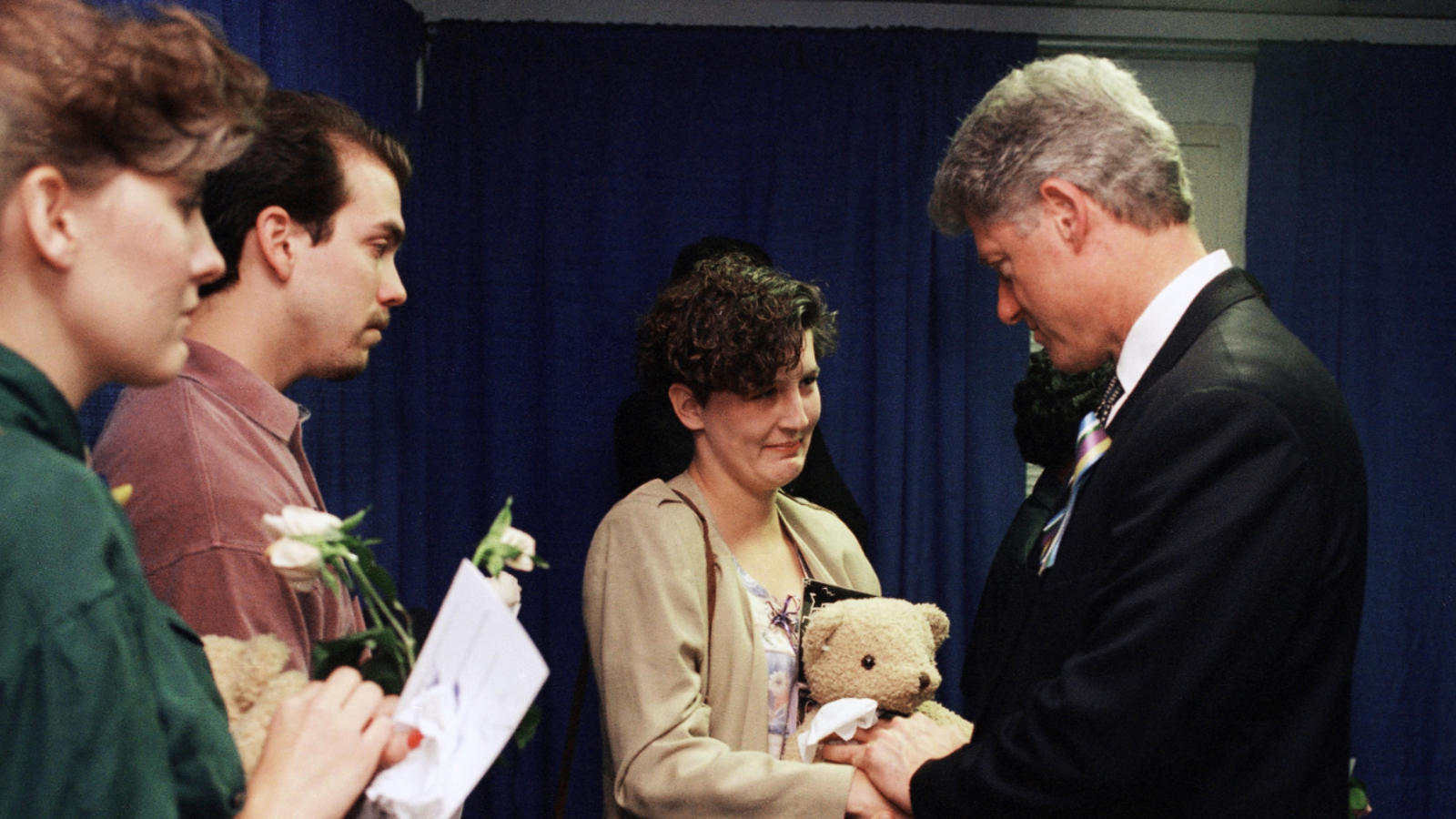
168. That's the number of lives tragically cut short on April 19, 1995, when a domestic terrorist bomb ripped through the Alfred P. Murrah Federal Building in Oklahoma City. Thirty years later, former President Bill Clinton, who led the nation through the grief and aftermath of the devastating attack, will return to the Oklahoma City National Memorial & Museum. His visit marks a somber anniversary, a moment to reflect on a tragedy that forever scarred the American landscape.
Clinton's presence in Oklahoma City carries a particular weight. Images of the then-president consoling victims' families and addressing a heartbroken nation are indelibly etched in the memories of many. His visit in the immediate wake of the bombing, and his subsequent address to the nation, offered solace and strength during an unimaginable time. He called for unity and resilience, urging Americans to reject hatred and embrace hope.
The Oklahoma City bombing remains a stark reminder of the devastating consequences of extremism. The attack, perpetrated by Timothy McVeigh and Terry Nichols, was the deadliest act of domestic terrorism on U.S. soil until September 11, 2001. The bomb, detonated in a rented Ryder truck parked outside the Murrah building, claimed the lives of 19 children and injured hundreds more. The building, which housed several federal agencies, including a day care center, was reduced to rubble, a chilling testament to the destructive power of hate.
Clinton has maintained a connection to Oklahoma City over the years, returning to the memorial on several occasions, particularly for milestone anniversaries. He has delivered speeches commemorating the victims and reflecting on the enduring lessons of the tragedy. His continued engagement speaks to the profound impact the event had, not just on the city and the nation, but on the president himself. The memorial and museum stand as a powerful symbol of remembrance, resilience, and the ongoing pursuit of justice. They serve as a place for reflection, education, and a commitment to preventing future acts of terrorism.
Clinton's visit in 2025 will undoubtedly be a poignant moment, a time to honor the memory of those lost, acknowledge the pain that still lingers, and reaffirm the nation's resolve to stand against violence and hatred. It allows the nation to reflect on how far it has come since that tragic day and to remember the enduring importance of unity and hope in the face of adversity.
Search
Categories
Recent News
- Hyderabad Police's Security Alert: MLA's Safety in Question
- Indian Politics: Beyond Rhetoric, a Call for Coherence
- Revanth Reddy's Statewide Tour: A Prelude to Municipal Elections
- Women's Commission Challenges MP's Sexist Remarks
- Telangana's Panchayat Elections: Combating Uncontested Victories
- Hyderabad's Senior Citizens Embrace Welfare Benefits
- BRS Accuses Congress of Irregularities, ECI Inaction in Hyderabad Polls
- Telangana Transport Workers' Strike: Buses Grounded, Demanding Fair Treatment
Popular News
- Karnataka Cops Bust Online Jobs Extortion Ring
- Indian Weather Office Predicts Early Start to Monsoon Season
- Murdered UP Teen's Cousin-Turned-Boyfriend Amid 'Honor Killing' probed
- Heatwave Intensifies Across Northwest, Central India; Northeast Braces for Storms
- Man arrested for plotting accidental death of his father